In the high-stakes world of the 2026 used car market, where vehicle supply remains tight and prices for even modest hatchbacks remain elevated, the allure of a 'bargain' is hard to ignore. For many buyers scrolling through secondary marketplaces, Category N (Cat N) write-offs often appear as the golden ticket—a chance to own a modern, high-spec vehicle for up to 40% less than its market value.
However, as any seasoned UK motor trader will tell you, the label "non-structural" can be a dangerous euphemism. While the ABI (Association of British Insurers) salvage code categorises these vehicles as having sustained damage that doesn't affect the frame or chassis, the "non-structural" umbrella covers everything from a minor bumper scuff to a catastrophic electrical failure caused by flood damage.
In this guide, we delve into the realities of buying Cat N in 2026, exploring why these cars demand more scrutiny than ever before and how to ensure your "bargain" doesn't become a financial black hole.
Understanding the ABI Salvage Code in 2026
The UK’s salvage categories underwent a significant shift years ago to move away from purely financial calculations (Cat C and D) to a more safety-oriented system (Cat S and N). In 2026, the definitions remain strict:
- Category A: Scrap only. The vehicle must be crushed.
- Category B: Break for parts. The shell must be destroyed, but components can be salvaged.
- Category S (Structural): Repairable, but the vehicle has sustained damage to its structural integrity (chassis, crumple zones, pillars).
- Category N (Non-Structural): The vehicle has not sustained structural damage, but the insurer decided the cost of repair exceeded the vehicle's value.
It is a common misconception that Cat N means "light damage." In reality, a car can be written off as Cat N for a multitude of reasons that have nothing to do with a physical collision.
The Evolution of "Total Loss" Tech
In 2026, the primary reason a car becomes a Cat N write-off isn't just bent metal; it's the cost of ADR (Advanced Driver Assistance Systems) and electronic integration. A simple low-speed bump into a bollard might not bend the chassis of a Volkswagen ID.4 or a Ford Puma, but if it smashes the LiDAR sensors, cameras, and radar units, the repair bill can easily exceed £10,000.
| Damage Type | Why it triggers Cat N | The Hidden Risk |
|---|---|---|
| Cosmetic Panel Damage | High labour rates and paint matching costs. | Hidden corrosion or poorly applied filler. |
| Flood/Water Damage | Saltwater or fresh water ingress in the cabin. | Corroded wiring looms that fail months later. |
| Theft Recovery | Rapid settlement by insurers before the car is found. | History of being driven hard or "stripped and replaced" parts. |
| Electrical Failure | Modern EV/Hybrid battery management issues. | Potential "bricking" of the car's main computer (ECU). |
Why "Non-Structural" Doesn't Mean "Non-Risk"
1. The Looming Menace of Flood Damage
Under current ABI guidelines, flood-damaged cars that haven't been submerged long enough to affect the chassis are often categorised as Cat N. This is perhaps the highest risk a buyer can take. Modern cars are rolling computers. Capillary action can pull moisture up through wiring looms, leading to intermittent "phantom" faults with airbags, infotainment, and engine management systems that are nearly impossible to diagnose.
2. The ADAS Calibration Crisis
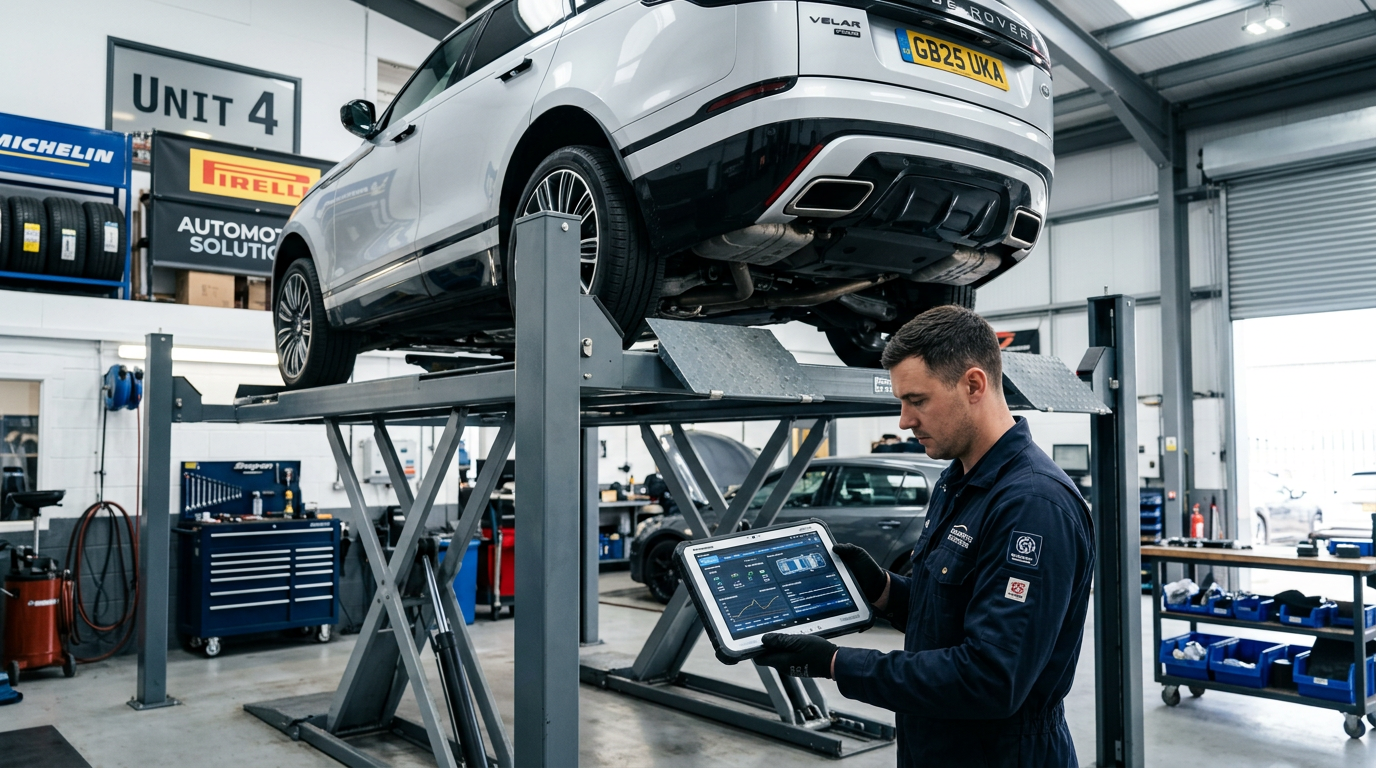
If you buy a Cat N car that has had a front-end impact, the sensors must be recalibrated. In 2026, many independent "back-street" garages still lack the £20,000+ equipment required to properly calibrate Level 3 autonomous features. On CarsLink.ai, we advise buyers to always request a digital calibration certificate for any Cat N vehicle featuring lane-keep assist or autonomous emergency braking.
3. Insurance Group Inflation
While you might save £5,000 on the purchase price of a Cat N BMW 3 Series, you may find your annual premium is significantly higher. Many mainstream UK insurers—such as Admiral, Direct Line, and Aviva—will either refuse to cover Cat N vehicles or place them in a higher risk bracket. Some will only offer "Third Party Only" cover, leaving you high and dry if you have another accident.
Navigating the Resale Value Trap
The write-off resale value check is a sobering reality for many first-time salvage buyers. A Cat N car will generally always be worth 20% to 35% less than an identical HPI-clear vehicle.
Furthermore, dealership "Part-Exchange" offers are often insultingly low for Cat N cars. Most franchised dealers (like Arnold Clark or Sytner) will not stock write-offs on their forecourts for brand-image reasons, meaning your car will likely be sent straight to auction, and their offer to you will reflect that "trade-out" price.
Essential Steps Before Buying a Cat N Car
If you are considering a Category N vehicle, follow this 2026-standard checklist to protect your investment:
- V5C Logbook Check: Ensure the V5C explicitly mentions the "Substantial Damage" or "Cat N" marker. If the seller claims the car is "clear" despite being cheap, run a proven HPI or Experian check immediately.
- The "Before" Photos: Ask the seller for photos of the damage before it was repaired. If they cannot provide them, walk away. Professional traders usually document the repair process to prove it was minor cosmetic work.
- Specialist Inspection: Don't rely on a standard MOT. Hire a specialist engineer (such as the AA or RAC) to perform a dedicated "Pre-Purchase Inspection" focusing on the quality of the repairs.
- Verify the V5C History: Check the number of previous owners. If a car হয়েছে marked Cat N and has since had three owners in twelve months, it suggests a recurring fault that no one can fix.
Impact on UK Road Tax and MOT
The good news is that Category N status does not inherently affect your VED (Road Tax) bands. Your tax is still calculated based on the car’s original emissions data as recorded by the DVLA.
However, since 2023, MOT testers have become more stringent regarding dashboard warning lights. Any Cat N car with a lingering SRS (Airbag) or ABS light due to substandard repairs will result in an immediate MOT failure, rendering the vehicle illegal to drive on UK roads.
The Traders' Perspective: Profit vs. Liability
For motor traders, Cat N stock can be high-margin, but it carries significant legal weight under the Consumer Rights Act 2015. Dealers must disclose the category status clearly in all advertisements. Failure to do so is a criminal offence under the Consumer Protection from Unfair Trading Regulations.
In 2026, smart traders are using AI tools and hidden car damage UK databases to vet their stock. If a dealer is being overly evasive about the car’s history, it’s a sign that the "non-structural" label is hiding a more complex story.
Summary: Is it worth the gamble?
Buying a Category N car can be a brilliant way to beat inflation and drive a newer vehicle than your budget would otherwise allow. If the damage was truly superficial—such as a keyed side panel or a minor bumper dent—and the repair was done by a VAT-registered specialist, the risks are manageable.
However, never assume that "non-structural" means "simple." In the era of high-tech EVs and integrated sensors, the most expensive parts to fix are often the ones you can't see.
Ready to find your next car? Whether you're looking for a pristine HPI-clear model or a well-vetted bargain, use CarsLink.ai to search the UK's most comprehensive used car listings with advanced AI filters that help you spot the best value in today’s market.