The Hidden Finance Trap in 2026
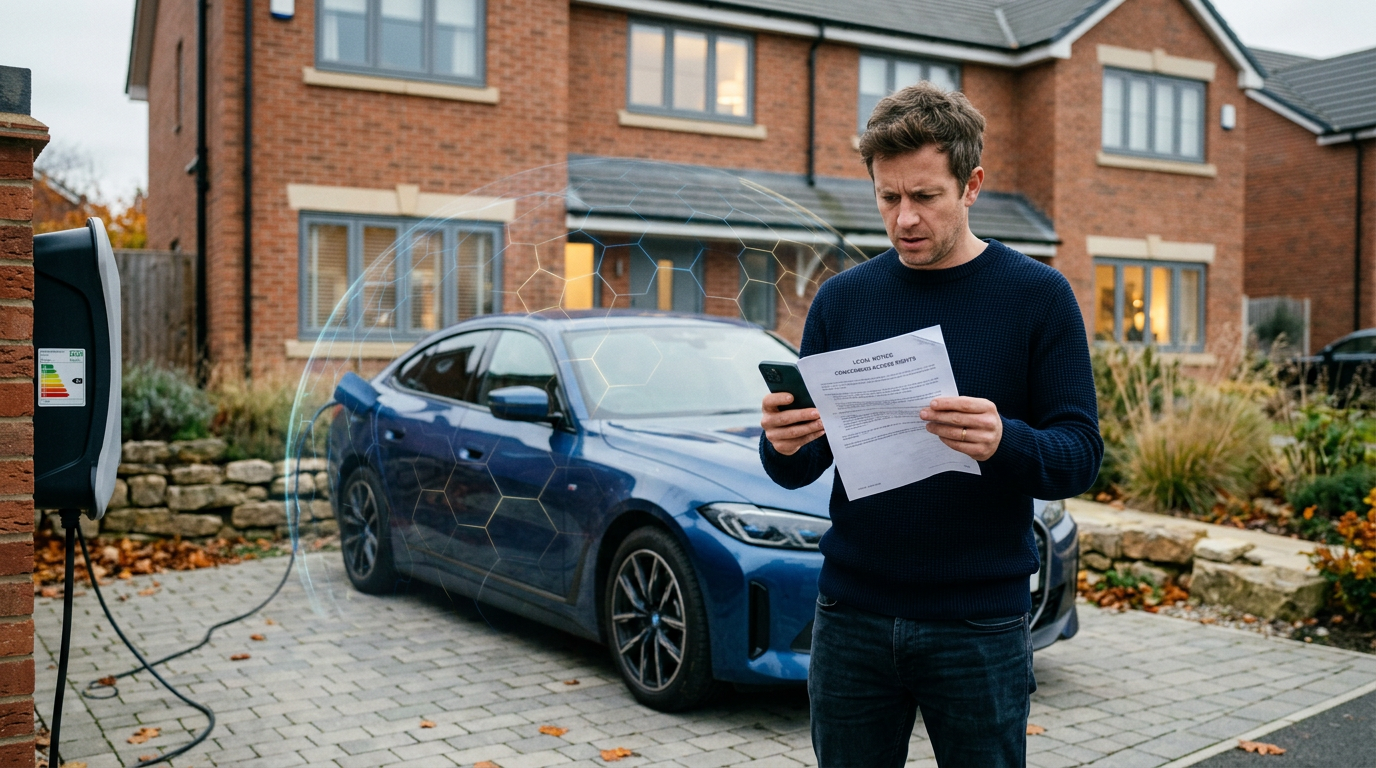
Imagine the scene: You’ve spent weeks browsing digital showrooms, found the perfect used 2024 BMW i4 or a late-model Tesla Highland, verified the V5C, and paid a fair price. Three months later, you receive a letter from a finance house claiming they still own the vehicle and intend to repossess it.
Despite the digital advancements in the UK motor trade by 2026, hidden finance remains a significant risk for private buyers. With car prices remaining high and the prevalence of Personal Contract Purchase (PCP) and Hire Purchase (HP) agreements, thousands of vehicles change hands every week with outstanding debt.
In this guide, we explore your legal protections, the "Innocent Purchaser" rule, and how to ensure you gain good title when buying a car.
Understanding "Good Title" and "The Nemo Dat" Rule
In English law, the general principle is nemo dat quod non habet—you cannot give what you do not have. If a seller does not legally own a car because it is still under a finance agreement, they cannot usually pass ownership to you. The finance company remains the legal owner until the final payment (including any "balloon" payment) is made.
However, for motor vehicles, there is a powerful exception designed to protect the general public.
The Hire Purchase Act 1964: Your Shield
The most critical piece of legislation for car buyers is Section 27 of the Hire Purchase Act 1964 (as amended by the Consumer Credit Act 1974).
This law states that if a private purchaser buys a motor vehicle in "good faith" and without "notice" of the existing hire purchase or conditional sale agreement, they will acquire good title to the vehicle. Essentially, the law "vests" ownership in the innocent buyer, and the finance company loses its right to repossess the car.
| Term | Requirement |
|---|---|
| Private Purchaser | You must not be a professional motor dealer or financier. |
| Good Faith | You acted honestly and had no reason to suspect the car was still under finance. |
| Without Notice | You did not know about the finance at the time of the transaction. |
Are You an "Innocent Purchaser"?
To benefit from the Hire Purchase Act 1964, you must prove you are an innocent purchaser. This isn't always as simple as saying "I didn't know."
1. The Private Purchaser Rule
If you are a car dealer, you cannot claim protection under Section 27. The law assumes professionals have the tools to check for finance. If you bought the car for personal use, you are a private purchaser.
2. The Definition of "Notice"
If the seller told you "I’m still paying it off," or if you saw a finance document in the glovebox before buying, you have "notice." In 2026, with the integration of vehicle history data, courts increasingly look at whether a reasonable person should have performed a vehicle provenance check.
3. The Price Factor
If you bought a 2025 Porsche Taycan for £15,000 when the market value is £50,000, a court may rule you did not act in "good faith." An unrealistically low price is often seen as a red flag that should have prompted further investigation.
What to Do If a Finance Company Contacts You
Receiving a "Notice of Intent to Repossess" is terrifying, but do not panic. Follow these steps:
- Do Not Hand Over the Keys: Do not allow a recovery agent to take the car without a court order unless you are certain you have no legal claim.
- Request Documents: Ask the finance company for a copy of the original agreement and proof of the outstanding balance.
- Assert Your Rights: Write to the finance company immediately. State that you are an "Innocent Purchaser" under Section 27 of the Hire Purchase Act 1964.
- Provide Evidence: Send copies of your bill of sale, the bank transfer record, and the advert you responded to.
- Check Your Provenance Report: If you used a service like CarsLink.ai or a HPI check before buying, provide the certificate. Even if the check was "clear" but the finance was hidden, you are likely protected.
The Role of the Vehicle Provenance Check in 2026
In the modern used car market, ignorance is rarely a successful legal defence if you failed to perform basic due diligence. A comprehensive vehicle provenance check is your primary evidence of "Good Faith."
A 2026-standard check covers:
- Outstanding Finance: Direct links to the Finance & Leasing Association (FLA) database.
- Asset Protection Agency (APA) hits: Checking if the car is a fleet or lease vehicle.
- Insurance Write-off Status: Categories S, N, or the newer digital structural markers.
- Stolen Vehicle Register: Checking DVLA and Police National Computer (PNC) data.
At CarsLink.ai, we recommend that every buyer performs a digital audit of the vehicle's history before any funds are transferred. If a finance company claims you should have known about a debt, showing a "Clear" report from a reputable provider is often the "silver bullet" that wins the case.
When the Finance Company Wins: Exceptional Cases
There are instances where the Hire Purchase Act 1964 won't save you:
- Logbook Loans (Bill of Sale): These are not technically "Hire Purchase" agreements and fall under different, often harsher, legislation.
- Personal Loans: If the seller took out a standard bank loan to buy the car, the bank does not own the car; the seller does. In this case, you have good title, and the bank must chase the seller, not you.
- Leasing Agreements (PCH): In some strictly defined "Contract Hire" cases, Section 27 may not apply because the agreement is for hire only, with no option to purchase. However, the courts in 2026 are increasingly siding with consumers where the distinction is blurred.
Summary Checklist for 2026 Buyers
To ensure you never face a repossession truck on your driveway, follow this protocol:
- Verify the V5C: Ensure the person selling the car is the "Registered Keeper."
- Check the ID: Match the seller’s driving licence to the name on the V5C and the bank account you are paying into.
- Run a CarsLink.ai Provenance Check: Ensure the "Finance" section is clear.
- Keep the Advert: Take a screenshot of the listing showing the price and description.
- Pay via Bank Transfer: Avoid large cash sums. A digital paper trail is vital for proving "Good Faith."
Conclusion
Buying a car with hidden finance is a legal minefield, but the law is firmly on the side of the honest private buyer. By understanding your rights under the Hire Purchase Act 1964 and ensuring you have a vehicle provenance check in hand, you can protect your investment.
If you find yourself in a dispute, remember that the burden of proof often lies with the finance company to show that you weren't an innocent purchaser. Stay calm, document everything, and seek legal advice if the finance house refuses to drop their claim.
Are you looking for your next car? Ensure peace of mind by using CarsLink.ai for the latest market insights and vehicle history guidance.