Boosting Profitability: Leveraging Digital Tools in a Competitive UK Used Car Market
The landscape of the UK used car market is more dynamic and competitive than ever. From rising operating costs to evolving consumer expectations, dealers face a multitude of challenges. Yet, amidst this fierce competition, a powerful suite of allies has emerged: digital tools. No longer mere optional extras, these technologies are now fundamental to driving efficiency, enhancing customer satisfaction, and crucially, boosting profitability. For dealerships looking to not just survive but thrive, strategically adopting and integrating these digital solutions is paramount.
This article will delve into key areas where digital tools can provide a significant competitive edge, transforming how you manage leads, value stock, engage customers, and ultimately, secure repeat business.
Mastering Customer Relationships with CRM Systems
In a market where every lead counts, losing potential customers due to poor follow-up or disorganisation is simply unacceptable. This is where a robust Customer Relationship Management (CRM) system becomes your dealership’s central nervous system. A well-implemented CRM allows you to track every interaction, from initial enquiry to post-sale follow-up, ensuring no lead slips through the cracks.
Imagine a customer enquires about a specific model online. With a CRM, their details are instantly captured, and an automated email or SMS can be dispatched, acknowledging their interest and offering relevant information or a test drive booking. Sales staff can then access a complete history of interactions, tailoring their approach based on the customer’s expressed preferences, previous vehicle ownership, or budget. For instance, if a customer called last week about a Ford Focus but didn't commit, your CRM can remind you to follow up with an update on new stock or a special offer. This level of personalised engagement not only improves conversion rates but also builds trust and rapport, making customers feel valued rather than just another transaction.
Streamlining Part-Exchange with Online Valuations
The part-exchange process has traditionally been a point of friction for both customers and dealers. Customers often feel undervalued, while dealers spend valuable time appraising vehicles that might not even lead to a sale. Digital online valuation tools have revolutionised this, bringing transparency and efficiency to the fore.
By integrating an online valuation tool into your website, customers can quickly get an estimated value for their current vehicle by simply entering their registration number, mileage, and a few details about its condition. This initial, transparent valuation serves multiple purposes: it pre-qualifies potential buyers, sets realistic expectations before they even visit your forecourt, and significantly reduces the time spent on initial negotiations. For your dealership, it means a higher quality of lead, as customers who have already received an estimate are often more serious about proceeding. Furthermore, having this information upfront allows your sales team to prepare more accurate proposals and focus on closing the deal, rather than getting bogged down in drawn-out valuation discussions. Tools that also allow for photo uploads for a more accurate remote assessment can further enhance this efficiency.
Data-Driven Decisions: Inventory and Pricing Power
In a market characterised by fluctuating demand and supply, intelligent inventory management and dynamic pricing are critical to profitability. Guesswork simply won't cut it. This is where harnessing data analytics truly shines, transforming stock acquisition and pricing strategies from intuition-based to data-driven.
Modern data analytics platforms can process vast amounts of information, including historical sales data, current market trends, competitor pricing, and even local demand patterns. By leveraging these insights, you can make smarter decisions about what vehicles to stock, when to acquire them, and at what price. For example, if data reveals a surge in demand for hybrid SUVs in your region, you can proactively adjust your procurement strategy. Conversely, if a particular model has been sitting on the forecourt for too long, analytics can highlight this, suggesting a dynamic price adjustment or a targeted marketing campaign to move it quickly and avoid accumulating holding costs. This proactive, data-informed approach minimises risk, optimises stock turnover, and ensures you're always offering the right vehicles at the right price point, maximising your margins.
The Virtual Showroom: Your Always-Open Dealership
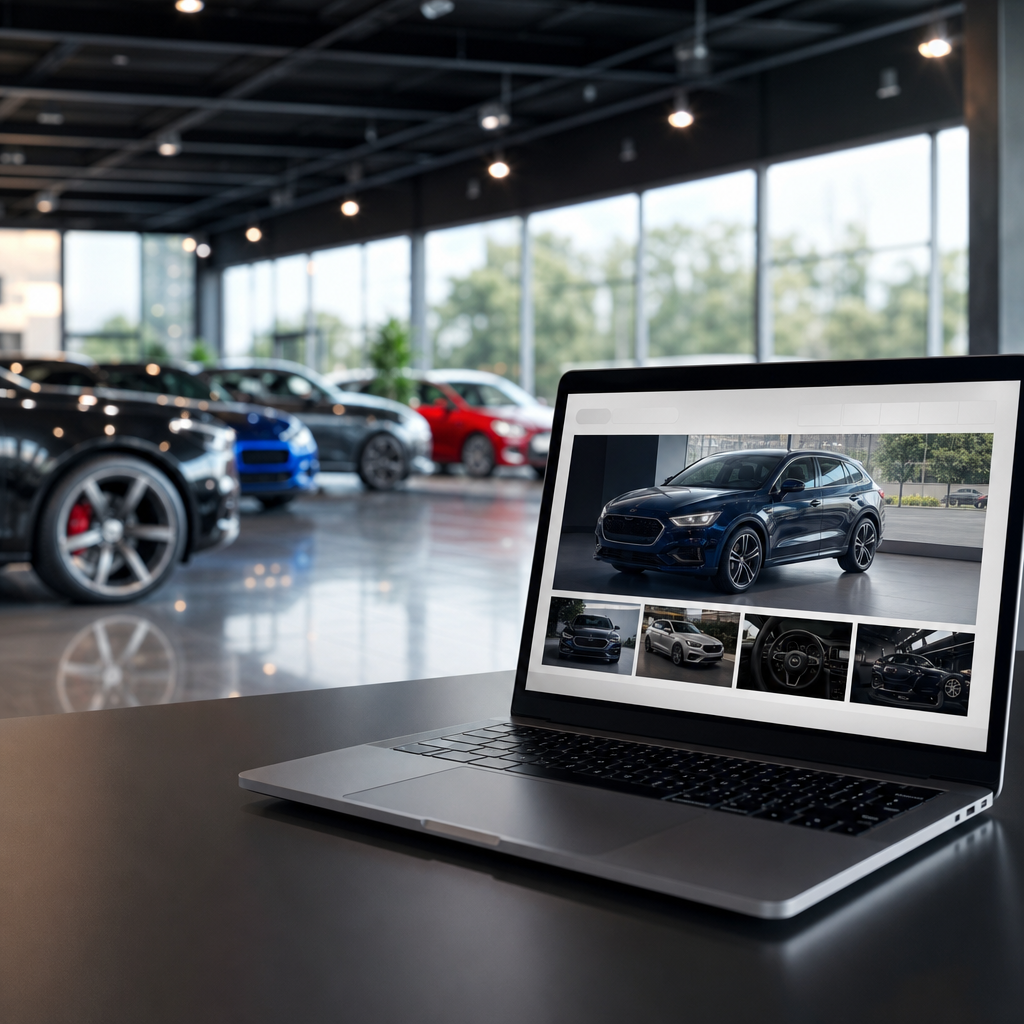
For today's buyer, the journey to a new car almost invariably begins online. Your website is no longer just a digital brochure; it's your primary showroom, open 24/7. Creating a compelling virtual showroom with high-quality content is crucial to capturing attention and generating serious enquiries.
This means moving beyond just a few blurry photos. Invest in professional-grade photography that showcases every angle of the vehicle, both inside and out, highlighting key features and any imperfections with honesty and transparency. Go further with 360-degree interactive images or even full walk-around video tours, allowing customers to virtually explore the car as if they were there. Detailed, accurate descriptions, including full specifications, service history, and any unique selling points, build trust. The ability to offer live video calls for personalised viewings or Q&A sessions can bridge the gap between online browsing and an in-person visit. A comprehensive virtual showroom attracts more qualified leads, sets realistic expectations, and significantly reduces the need for tyre-kickers, saving both your customers' and your sales team's time.
Post-Sale Engagement: Building Lasting Loyalty
The sale of a vehicle should not be the end of your relationship with a customer; it should be the beginning of a long-term partnership. Effective post-sale engagement is fundamental to building loyalty, securing repeat business, and generating valuable word-of-mouth referrals. Digital tools make this process seamless and scalable.
Think beyond a simple thank you email. Implement automated follow-up sequences via your CRM: a satisfaction check-in a week after purchase, a reminder for the first service appointment, or even a personalised birthday message for the customer. Offering digital service booking options, MOT reminders, and exclusive discounts on future services or accessories can keep your dealership top-of-mind. Loyalty programmes that reward repeat customers or referrals can be easily managed digitally. Crucially, actively soliciting and managing online reviews through digital platforms is vital. Positive reviews enhance your reputation and attract new buyers, while promptly addressing negative feedback demonstrates your commitment to customer satisfaction. By nurturing these relationships post-sale, you transform one-time buyers into loyal advocates, ensuring a steady stream of future business.
Conclusion
The UK used car market demands agility, efficiency, and a deep understanding of the modern customer journey. Embracing digital tools is no longer an option but a strategic imperative for any dealership aiming to boost profitability and secure a competitive edge. From refining lead management and streamlining transactions to making data-driven decisions and fostering lasting customer loyalty, these technologies offer unparalleled opportunities. By intelligently integrating CRM systems, online valuation tools, data analytics, virtual showrooms, and post-sale engagement strategies, your dealership can operate more efficiently, satisfy customers more effectively, and ultimately, drive sustainable growth in this ever-evolving market. The future of used car retail is digital – are you ready to accelerate?