Beyond the Showroom Shine: Spotting Hidden Damage on a Used Car in the UK
The allure of a gleaming used car, offered at a tempting price, can be hard to resist. But beneath that polished exterior, hidden issues could be lurking – problems that turn a savvy purchase into a costly headache. As the UK's used car market continues to thrive, knowing how to meticulously inspect a vehicle for undisclosed damage is more crucial than ever.
At CarsLink.ai, we believe in empowering buyers with the knowledge to make informed decisions. This guide will take you beyond the superficial, providing a practical checklist to uncover potential red flags before you commit. From exterior panel gaps to the car's documented history, every detail matters.
Exterior Checks: Beyond a Quick Glance
A car's bodywork can tell a story, often revealing past accidents or poor repairs. Don't be fooled by a fresh wash and wax; scrutinise the details.
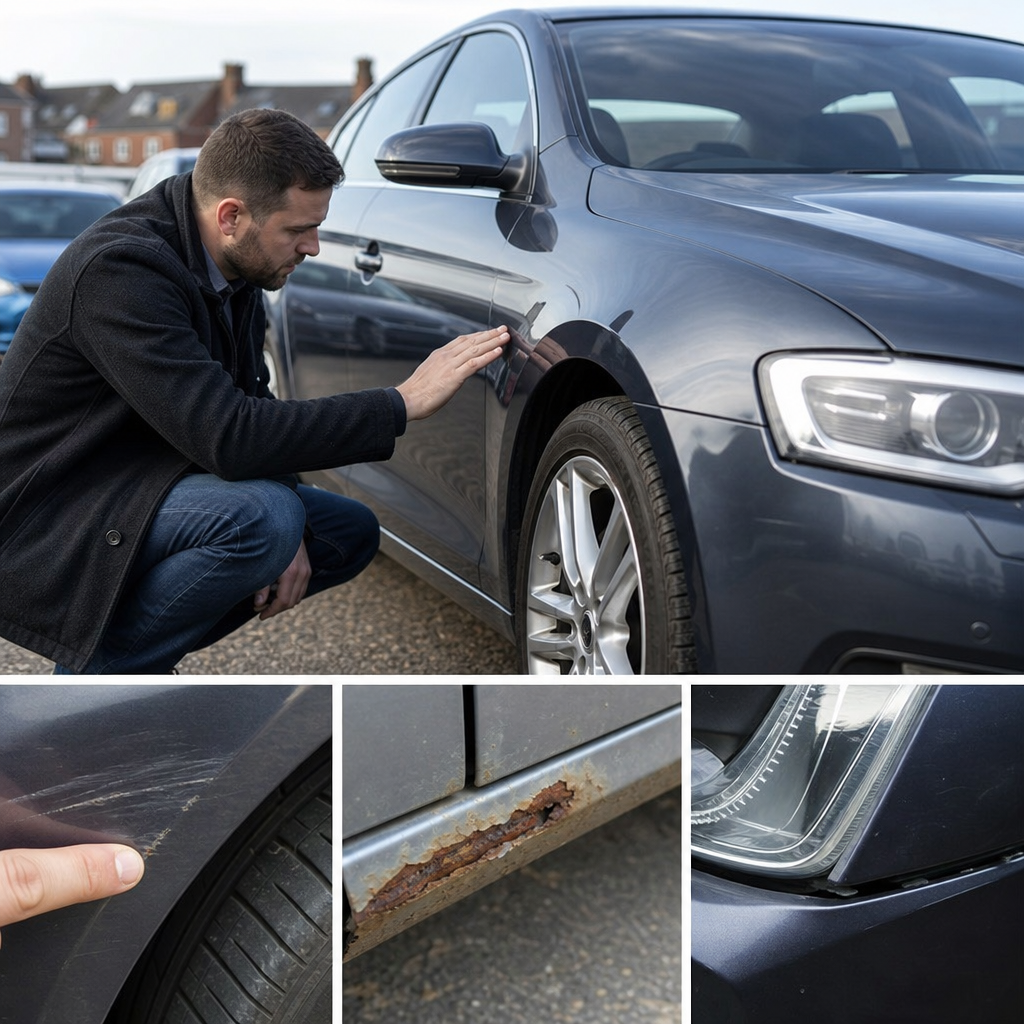
- Panel Gaps: Examine all panel gaps – between the bonnet and wings, doors and body, and the boot and rear wings. These should be uniform in width and alignment on both sides of the car. Inconsistent gaps, panels that sit proud, or misaligned edges often indicate accident damage and a subsequent repair, which might not have been carried out to a high standard. Run your hand over the edges; any sharp edges or rough finishes could also point to cheap repairs.
- Paint Inconsistencies: Look closely at the paintwork from different angles, ideally in natural daylight. Check for variations in colour or texture between adjacent panels. A tell-tale sign of a respray is "orange peel" texture (a bumpy finish resembling orange skin) or overspray on rubber seals, window trim, or unpainted plastic components. Carefully inspect door shuts, under the bonnet, and inside the boot lid for sharp masking lines where new paint meets old, or for paint flakes. Wavy reflections in the paint can indicate the presence of filler underneath.
- Rust Hotspots: Rust is the enemy of any car, and while surface rust on older vehicles might be acceptable, structural rust is a serious concern. Common hotspots include wheel arches, sills, door bottoms, around the windscreen and rear window, and within the engine bay. Use a torch to peer into darker areas and check under the car for rust on the chassis, suspension mounting points, and brake lines. Don't forget to lift the boot carpet and check the spare wheel well for water ingress or corrosion. Pay particular attention to the exhaust system for excessive rust, which could indicate it’s nearing replacement.
- Tyres & Wheels: Mismatched tyre brands across an axle can suggest neglect, while uneven tyre wear (e.g., more wear on one side) points to potential suspension or alignment issues. Check the alloy wheels for excessive kerbing or cracks.
Interior Scrutiny: Wear, Warnings & Wired Wonders
The car's interior provides vital clues about its actual mileage, how well it's been cared for, and any underlying electrical faults.
- General Wear and Tear: Compare the wear on the driver's seat bolster, steering wheel, and pedal rubbers against the mileage displayed. Excessive wear for the indicated mileage could suggest clocking. Look for tears, stains, or cigarette burns in the upholstery and carpets. Check the headlining for any sagging. Be alert for any lingering odours, such as dampness, stale smoke, or pet smells, which can be notoriously difficult to remove.
- Warning Lights: This is critical. When you turn the ignition on, most warning lights (engine management, ABS, airbag, power steering, etc.) should illuminate briefly and then extinguish once the engine starts. If any lights remain illuminated, or worse, don't light up at all during the initial check, it's a major red flag. Some unscrupulous sellers might disconnect bulbs or reset fault codes just before a viewing. Ask the seller about any persistent warnings; a casual dismissal of an engine light is never acceptable.
- Electronics: Test every electrical component. Wind up and down all windows, adjust all mirrors, check the central locking, radio, CD player, sat-nav, and air conditioning (ensure it blows cold). Test the wipers, washer jets, horn, and all interior lights. Look for missing pixels on the dashboard display, and ensure all buttons and switches function correctly and aren't excessively worn or sticky. Faulty electronics can be expensive to diagnose and repair.
Engine Bay Essentials: Listening and Looking Under the Bonnet
The engine bay is the heart of the car, and a detailed inspection here can reveal a wealth of information about its mechanical health.
- First Impressions: Lift the bonnet. An overly clean engine bay could be a deliberate attempt to hide leaks, while a very dirty one might suggest neglect. Look for signs of recent cleaning around specific components like the rocker cover or oil sump.
- Fluid Levels and Condition: Check the oil level and colour using the dipstick. It should be between the 'min' and 'max' markers and typically amber to dark brown. Milky, foamy oil suggests a head gasket issue, while thick, sludgy oil points to poor servicing. Check the coolant reservoir – the level should be correct, and the fluid should be clean, not rusty or sludgy, and free from oily residues. Do the same for brake fluid and power steering fluid (if applicable).
- Leaks: Examine the ground underneath the car for any puddles or drips. Look for fresh or dried fluid stains around seals, hoses, and engine components. A light sheen around a gasket might be old, but active drips are a cause for concern.
- Unusual Sounds and Smells: Start the engine from cold if possible. Listen for any knocking, tapping, whining, or squealing noises that don't sound normal. A steady, even idle is a good sign. Check the exhaust for excessive smoke: blue smoke indicates burning oil, thick white smoke suggests burning coolant, and black smoke points to excessive fuel. Be alert for burning smells, which could indicate oil leaks onto hot components or clutch issues.
- Belts and Hoses: Inspect drive belts for cracks or fraying. Squeeze hoses to check for excessive hardness or softness, and look for cracks or bulges.
Test Drive Red Flags: The Car's True Voice
This is your opportunity to feel how the car performs on the road. Don't rush it; aim for a test drive of at least 20-30 minutes, covering a variety of road conditions.
- Start-up and Engine Performance: The car should start easily without excessive cranking. As you drive, the engine should accelerate smoothly, without hesitation, misfires, or unusual noises, especially under load. The temperature gauge should rise steadily to its normal operating position.
- Handling & Steering: On a flat, straight road, the car should track straight without needing constant steering correction. The steering should feel precise, with no excessive play. Drive over some bumps (safely) and listen for any clunking or knocking noises from the suspension. The power steering should operate smoothly without groaning.
- Braking: Test the brakes gently at first, then more firmly when safe. The car should stop smoothly and in a straight line, without pulling to one side. A pulsing through the pedal indicates warped brake discs, while grinding or squealing suggests worn pads. Ensure the handbrake holds the car securely on an incline.
- Transmission (Manual & Automatic):
- Manual: Gear changes should be smooth and precise, with no crunching or difficulty engaging gears. The clutch pedal should feel firm but not excessively heavy, and the biting point shouldn't be too high (indicating a worn clutch).
- Automatic: Gear shifts should be seamless, without any jerking, slipping, or delayed engagement. Test all gears, including reverse.
- Road Noise and Wind Noise: Listen for excessive road noise or wind noise, which could suggest poor insulation, worn bearings, or even previous accident damage affecting panel alignment.
Documentation Diligence: The Paper Trail's Tale
Even if the car looks and drives perfectly, its history can be its ultimate undoing. Thoroughly inspect all paperwork.
- Service History: A full and consistent service history is paramount. Check for stamps in the service book, backed up by corresponding invoices. Ensure dates and mileages align chronologically. Look for evidence that major service items, like the cambelt (if applicable), have been replaced at the manufacturer's recommended intervals. Gaps in the service history are a significant red flag.
- MOT Certificates: Use the government's free online MOT history checker (gov.uk/check-mot-history) with the car's registration number. This will show all previous MOT test results, advisories, and recorded mileages. Compare the mileages with the service history and current odometer reading to check for discrepancies (a common sign of clocking). Consistent advisories for the same issue over several years might indicate a recurring problem the owner hasn't addressed.
- V5C Logbook: This is the vehicle's registration document. Ensure the seller's name and address match the V5C, and that they are the registered keeper. Verify the Vehicle Identification Number (VIN) on the V5C against the VIN plate on the car (usually visible through the windscreen, on a door pillar, or in the engine bay). Check the number of previous keepers.
- HPI Check: This is an essential investment. An HPI check (or similar car history check) will confirm if the car has outstanding finance, has been written-off (Cat A, B, S, or N), has been reported stolen, or has any mileage discrepancies recorded against its history. It provides invaluable peace of mind and often comes with an indemnity guarantee.
Conclusion
Buying a used car is a significant investment, and hidden damage can quickly turn a dream purchase into a financial nightmare. By following this comprehensive checklist, you'll significantly reduce your risk and increase your chances of finding a reliable vehicle. Don't be afraid to ask questions, take your time, and if anything feels wrong or you're unsure, walk away. There are always other cars available. Better yet, consider bringing a knowledgeable friend or opting for a professional pre-purchase inspection by a qualified mechanic. Your diligence today will save you stress and expense tomorrow. Happy car hunting from the team at CarsLink.ai!