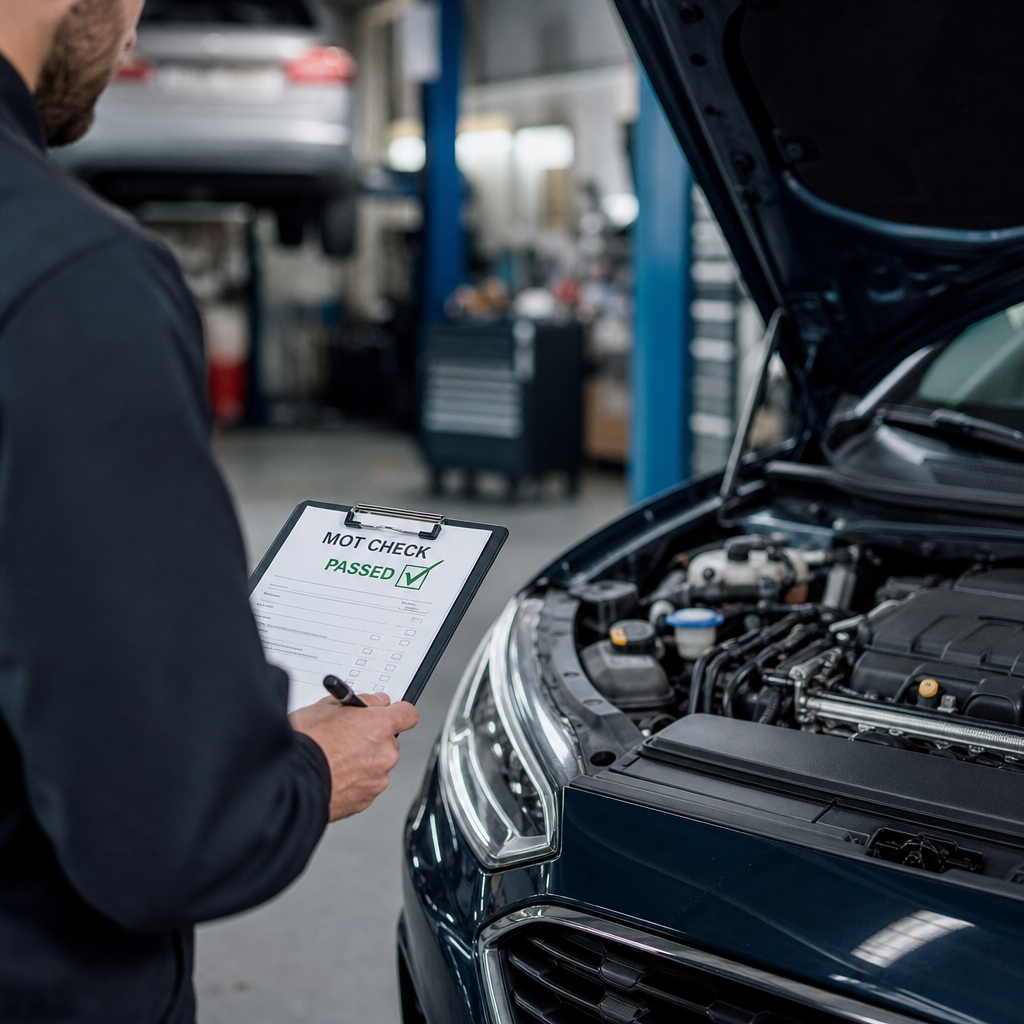
Beyond the MOT Pass: What Expensive Hidden Faults Could Be Lurking in Your Next Used Car?
Buying a used car can feel like a lottery, even with the assurance of a fresh MOT certificate. While an MOT is a crucial safety and roadworthiness check, it's far from a comprehensive health report. Many expensive mechanical components that could fail shortly after purchase – costing you hundreds, if not thousands, in repairs – aren't scrutinised in the same way a faulty brake light or worn tyre would be.
At CarsLink.ai, we understand that finding your next car should be exciting, not anxiety-inducing. That's why we're arming you with the knowledge to look beyond the basic pass and identify the hidden, high-cost issues that often lurk beneath the surface. With a bit of diligence and some savvy inspection techniques, you can avoid post-purchase financial heartache and drive away with confidence.
High-Cost Culprits: The Big-Ticket Repairs
Let's start by shining a light on the common components that can lead to eye-watering garage bills, yet often fly under the MOT radar until they're on their last legs.
- Clutch and Dual-Mass Flywheel (DMF): A worn clutch is a common issue, especially on manual cars with higher mileage or those used extensively in stop-start city driving. Signs include a high biting point, slipping under acceleration (engine revs increase but car doesn't speed up), or difficulty engaging gears. The really painful part? Many modern diesel and powerful petrol cars use a Dual-Mass Flywheel (DMF) in conjunction with the clutch. If this fails, you'll often hear a rattling from the gearbox area, particularly at idle or when switching off the engine, along with potential vibrations. Replacing a clutch alone can be £400-£800, but adding a DMF often pushes the bill well over £1,000, sometimes even closer to £2,000, due to the extensive labour involved.
- Diesel Particulate Filter (DPF): Found in most modern diesel cars, the DPF traps soot particles. It's designed to regenerate (burn off soot) on long, sustained journeys. However, if a diesel car has primarily been used for short, urban trips, the DPF can become clogged. While a seriously clogged DPF might trigger an engine warning light and eventually an MOT fail for excessive emissions, early stages might not. A DPF replacement can cost anywhere from £1,000 to £3,000, making it one of the most feared repairs.
- Timing Belt (or Cam Belt): This critical component synchronises the engine's camshaft and crankshaft. If it snaps, it can cause catastrophic and irreversible engine damage, often resulting in a write-off. Unlike many parts, the timing belt doesn't give much warning before failure. Manufacturers specify replacement intervals, usually by mileage or age (e.g., every 60,000 miles or 5 years). The MOT doesn't check this. A replacement typically costs £300-£800, but neglecting it can cost you the entire car. Some cars have a 'timing chain', which is generally designed to last the life of the engine, but even these can stretch or fail, though it's less common.
- Suspension Components: While severe wear on shock absorbers or bushes will fail an MOT, minor deterioration often won't. Worn suspension can lead to poor handling, excessive tyre wear, and uncomfortable rides. Listen for knocking or clunking sounds over bumps. Replacing multiple bushes, ball joints, or shock absorbers can quickly add up to £500-£1,000.
- Automatic Gearbox Issues: While less common, a failing automatic gearbox can be incredibly expensive, often £2,000-£4,000 for a repair or replacement. Look out for jerky gear changes, hesitation, unusual noises, or warning lights on the dashboard.
DIY Spot Checks: Your Toolkit for Inspection
You don't need to be a qualified mechanic to perform some valuable checks. These simple visual and auditory tests during a viewing and test drive can reveal a lot.
- Under the Bonnet:
- Fluid Levels: Check engine oil (should be between min/max marks, not sludgy), coolant (should be green/pink, not rusty or sludgy, and at correct level), and brake fluid. Look for any signs of leaks or spills around the engine bay.
- Belts: Visually inspect auxiliary belts for cracks or fraying.
- Cleanliness: An overly clean engine might indicate a recent wash to hide leaks, while excessive grime might suggest neglect.
- Exterior:
- Tyre Wear: Look for uneven tyre wear across the tread, which could indicate alignment problems or worn suspension components.
- Exhaust Smoke: Start the car from cold. Blue smoke usually indicates burning oil, black smoke suggests unburnt fuel (common in older diesels), and persistent white smoke could point to a head gasket issue (burning coolant). A puff of white condensation on a cold morning is normal.
- Interior:
- Dashboard Warning Lights: When you turn the ignition on, all warning lights should illuminate briefly and then extinguish once the engine starts. If any stay on, or don't light up at all (suggesting a bulb has been removed), that's a serious red flag.
- Air Conditioning: Turn on the A/C. It should blow cold within a minute or two. Regassing can cost £50-£100, but a leak or compressor fault is much more.
- During the Test Drive (no radio!):
- Engine Sounds: Listen for knocking, ticking, or rough idling on a cold start. Does it accelerate smoothly or does it hesitate?
- Clutch & Gearbox: For manuals, feel the clutch – is the biting point too high or low? Are gear changes smooth? For automatics, are shifts seamless, or are there jerks or delays?
- Brakes: Do they feel spongy, pull to one side, or make grinding/squealing noises?
- Suspension: Drive slowly over speed bumps and rough patches. Listen for clunks, rattles, or excessive bouncing.
- Steering: Does the steering feel precise, or is there excessive play? Listen for groaning noises at full lock.
Service History's Story: Deciphering the Documentation
The car's paperwork is a treasure trove of information. A thorough service history isn't just about stamps; it tells a story about how the car has been maintained.
- Regularity and Gaps: A full service history, ideally from a reputable garage (dealer or independent specialist), is paramount. Look for consistent servicing at the manufacturer-recommended intervals. Gaps in the history, especially long ones, are worrying.
- Specific Maintenance Records: Look for evidence that major components have been replaced according to schedule. Has the timing belt been replaced at the correct mileage/age? Are there receipts for DPF cleaning or other preventative maintenance? For older or high-mileage cars, proof of spark plug or fuel filter changes can indicate a well-cared-for engine.
- Invoices vs. Stamps: Always ask to see invoices, not just service book stamps. Invoices detail the work done, parts used, and costs, offering much more transparency. Recurring entries for the same issue (e.g., 'topping up coolant') could indicate an unresolved problem.
- MOT Advisories: Review previous MOT certificates. Advisories (things that aren't a fail but need attention) that haven't been rectified in subsequent tests or service records are areas to investigate.
- Mileage Verification: Does the mileage on the service records align with the current odometer reading and previous MOTs? Any discrepancies are a major red flag.
Red Flags & Negotiation: Empowering Your Purchase
Knowing when to walk away, or how to use identified potential faults to your advantage, is key to a smart used car purchase.
- When to Walk Away:
- Multiple Serious Issues: If you identify several major potential faults (e.g., a suspected DPF issue, a high clutch, and warning lights), the car is likely a money pit.
- Uncooperative Seller: If the seller is evasive, won't provide full documentation, or prevents a thorough inspection/test drive, walk away.
- Dashboard Warning Lights: Any engine, airbag, ABS, or other critical warning light that remains on after starting the car is a huge red flag.
- Suspicious History: A completely blank service history, or one that looks forged or inconsistent, should make you very wary.
- Negotiation Strategy:
- Be Informed: If you spot a potential issue (e.g., a high clutch biting point suggesting future replacement), research the approximate repair cost. Websites, local garages, and online forums can provide estimates.
- Quantify the Issue: Approach the seller calmly and professionally. "I've noticed the clutch is quite high, which could be a £600-£800 repair soon. I'd need to factor that into my offer."
- Prioritise: Focus on the most expensive potential repairs. Minor cosmetic issues are less impactful on the asking price than an impending DPF replacement.
- Professional Pre-Purchase Inspection (PPI): For serious contenders, especially higher-value or more complex vehicles, consider investing in a professional PPI from an independent mechanic. They'll put the car on a ramp and perform diagnostic checks, often uncovering issues you couldn't. This report can provide powerful leverage for negotiation or give you peace of mind.
In conclusion, an MOT pass is a baseline, not a guarantee. By understanding common high-cost faults, performing your own visual and auditory checks, meticulously reviewing service history, and knowing how to negotiate, you can significantly reduce the risk associated with buying a used car. Be diligent, be patient, and don't be afraid to walk away if something doesn't feel right. Armed with this knowledge, you're now much better equipped to find a reliable and affordable vehicle on CarsLink.ai. Happy hunting!