Beyond the Hype: Are Used Small SUVs Really Worth It for UK City Living?
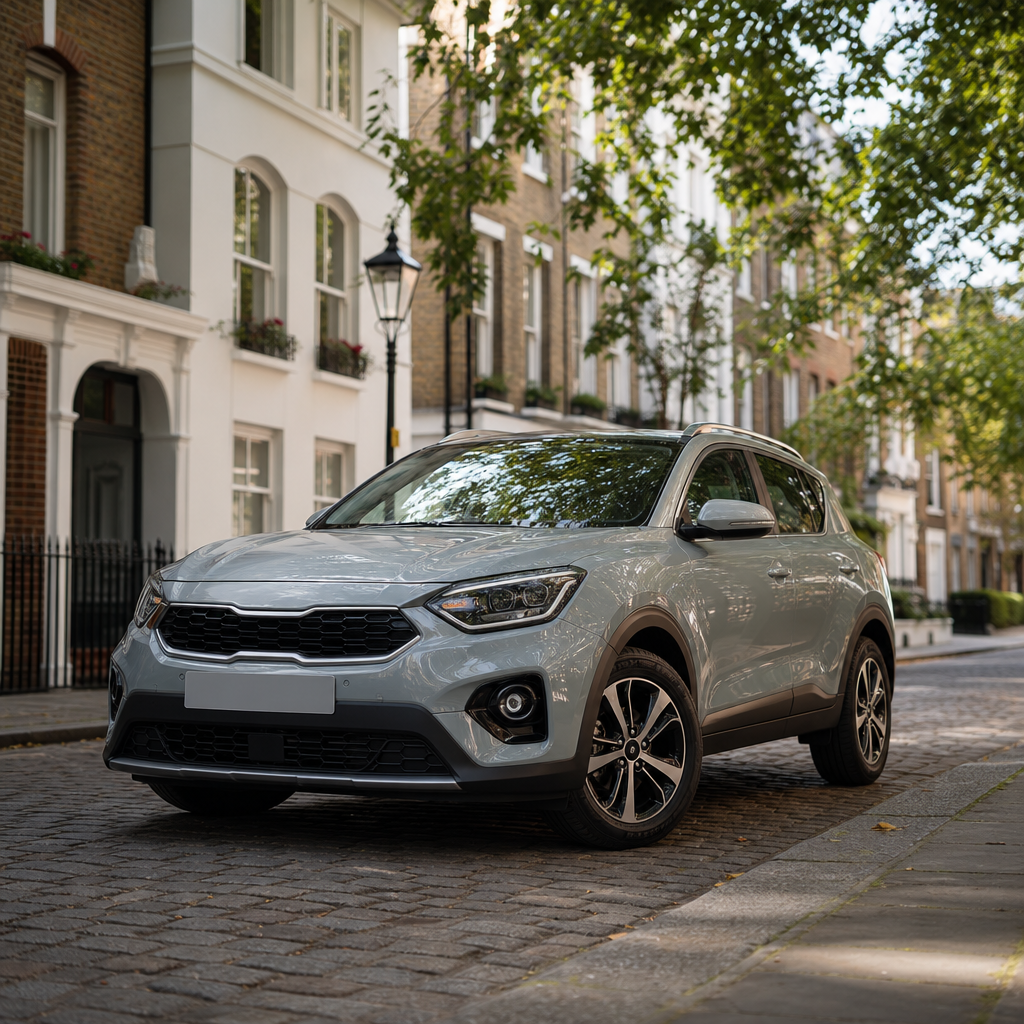
The compact SUV segment has exploded in popularity across the UK, with their raised driving positions, rugged looks, and perceived practicality making them a ubiquitous sight on our roads. But for those of us navigating the unique challenges of British city life – congested streets, notoriously tight parking spaces, and the ever-present pothole lottery – are these fashionable crossovers genuinely a smart choice for a used car buyer? Or is it simply a case of clever marketing overcoming practical considerations?
At CarsLink.ai, we're all about cutting through the noise to bring you honest, practical advice. In this article, we'll delve into whether a used small SUV truly earns its keep in an urban environment, assessing everything from manoeuvrability to running costs, and highlighting the models that truly shine.
The Urban Jungle Test: Pros and Cons of Small SUVs
Let's start by laying out the inherent advantages and disadvantages of choosing a small SUV for city driving.
The Upsides:
- Elevated Driving Position: This is arguably the biggest draw. A higher perch offers better visibility over traffic, allowing you to anticipate hazards, spot pedestrians, and even navigate speed bumps and potholes with more confidence.
- Easier Access: The slightly raised ride height can make getting in and out of the car much more comfortable, especially for those with back issues or parents wrestling with child seats. Loading items into the boot can also be less strenuous.
- Perceived Robustness: While not true off-roaders, the chunky styling and often thicker sidewall tyres can give a greater sense of resilience against the inevitable knocks and scrapes of city driving.
- Practicality: Many small SUVs offer a surprising amount of boot space and versatile interiors, often with clever storage solutions, making them great for shopping trips or weekend escapes.
The Downsides:
- Parking Pains: Despite being "small SUVs," they are invariably larger than an equivalent supermini or compact hatchback. Even a few extra inches in width or length can make the difference between squeezing into a parallel spot or having to circle the block. Multi-storey car parks can feel particularly claustrophobic. Reversing cameras and parking sensors are a godsend here, but they don't shrink the car.
- Manoeuvrability: While generally agile, they might not feel as nimble as a Ford Fiesta or a Volkswagen Polo when performing tight three-point turns or navigating narrow lanes. Their slightly longer wheelbase and wider turning circle can be a minor annoyance.
- Fuel Efficiency: Physics dictates that a heavier, less aerodynamic vehicle will generally consume more fuel. While modern small petrol engines are incredibly efficient, you'll likely see slightly worse MPG figures in stop-start city traffic compared to a lighter, lower hatchback with the same engine.
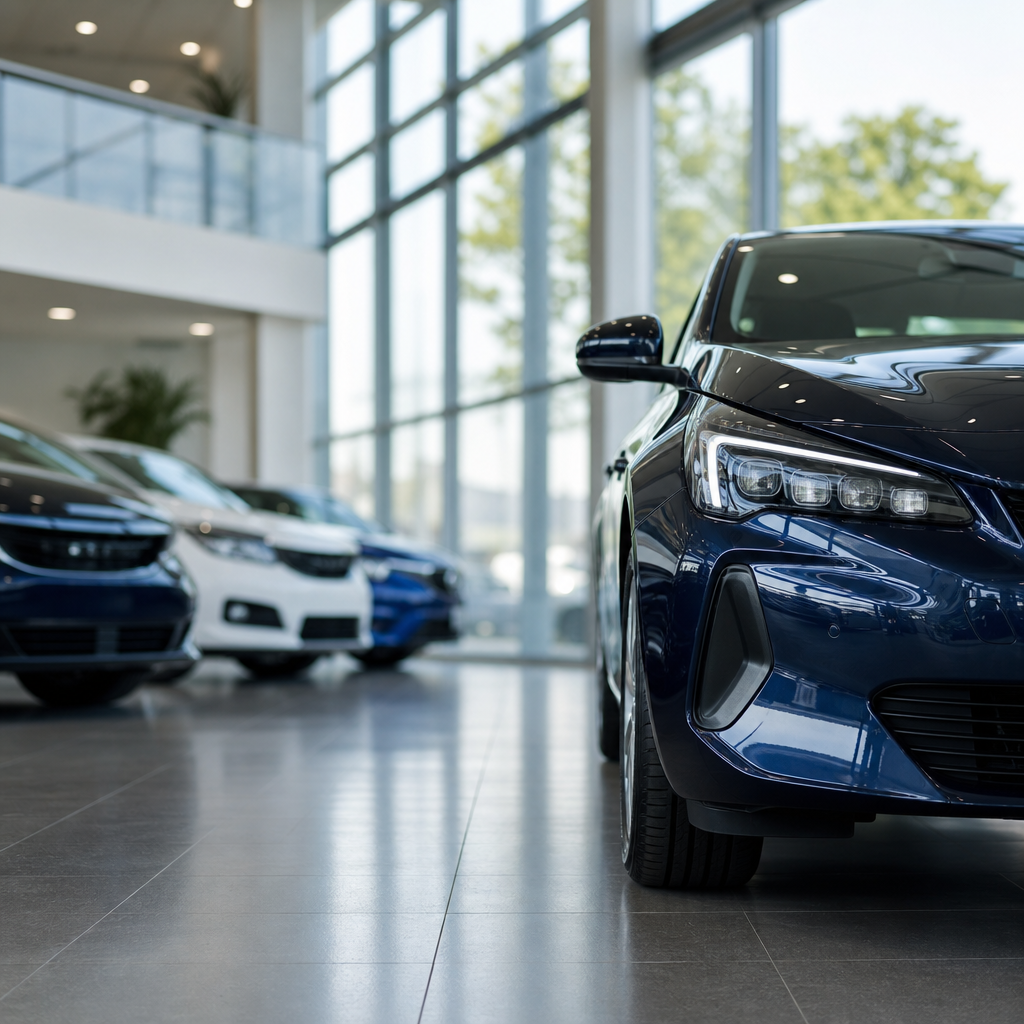
- Initial Cost: Even used, small SUVs tend to command a premium over their hatchback counterparts, largely due to their enduring popularity.
Top Contenders: Used Small SUVs for UK City Driving
When it comes to selecting a used small SUV for city life, some models stand out for their blend of urban practicality, features, and value.
- Nissan Juke (First and Second Generation): The original urban crossover. Love or hate its distinctive styling, the Juke is compact and surprisingly agile. Early models (pre-2019) offer good value, but check for interior wear. Second-generation Jukes (from 2019) are much more refined, better equipped, and feel more premium, making them a strong contender if your budget allows.
- Renault Captur: Built on the same platform as the Clio, the Captur offers a comfortable ride, decent practicality, and a stylish interior. Many used examples come well-specified with parking sensors and cameras. Its compact dimensions make it easy to manoeuvre.
- Peugeot 2008: Known for its chic design and comfortable ride, the 2008 (especially the second generation from 2019) offers a premium feel. The "i-Cockpit" with its small steering wheel and high-set instruments isn't for everyone, but it enhances the driving experience for many. Look for models with parking assistance.
- Vauxhall Mokka / Mokka X: A popular choice for its straightforward practicality and good value. Later Mokka X models (facelifted 2016) improved ride comfort and interior quality. They offer a commanding driving position and are easy to live with day-to-day.
- Ford Puma: If driving dynamics are a priority, the Puma is a revelation. It handles like a hatchback but offers SUV practicality, including the ingenious 'MegaBox' under the boot floor. Its 1.0L EcoBoost engines are frugal and punchy. A fantastic all-rounder for city and beyond, though might be pricier used than some rivals.
- Hyundai Kona: With its distinctive looks and generous standard equipment, the Kona offers great value. Its compact size and available tech (like reversing cameras and modern infotainment) make it a strong city performer. Hybrid versions are excellent for urban fuel economy.
Smart Shopping: What to Look for in a Used Urban SUV
Buying any used car requires diligence, but for a city-dwelling SUV, there are specific points to meticulously check:
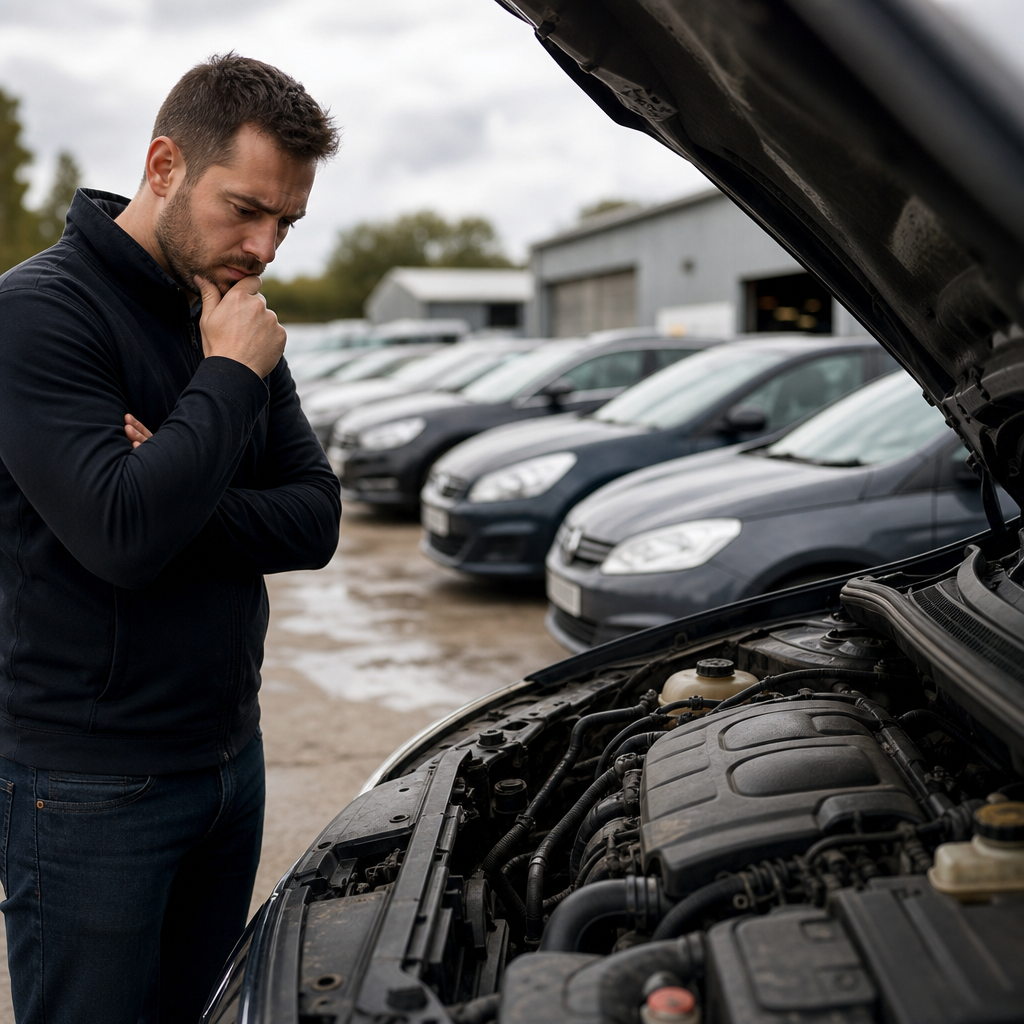
- Condition, Inside and Out: City cars often endure more scrapes and bumps. Examine the bodywork for dents, scratches, and alloy wheel kerb damage. Inside, check for wear and tear on seats, plastics, and controls, as frequent stop-start driving and passenger loading can take their toll.
- Service History: A comprehensive service history is paramount. City cars, with their frequent short journeys and stop-start cycles, can place more strain on components like brakes, clutch (if manual), and the engine. Ensure regular oil changes have been performed, as this is crucial for engine longevity.
- Essential Tech Features: For city driving, some features are almost non-negotiable. Look for:
- Parking Sensors (front and rear) and Reversing Camera: These make tight parking infinitely easier and safer.
- Apple CarPlay/Android Auto: Seamless smartphone integration for navigation, music, and calls is invaluable in a city.
- Autonomous Emergency Braking (AEB): A vital safety feature that can help prevent low-speed collisions in congested traffic.
- Blind Spot Monitoring: Helpful for lane changes on busy multi-lane roads.
- Engine Type: For predominantly city driving, a smaller capacity petrol engine (e.g., 1.0L or 1.2L turbocharged) is usually the best choice. They warm up quicker and are more efficient in stop-start conditions. Diesel engines, while efficient on motorways, can suffer from DPF (Diesel Particulate Filter) issues if not regularly driven on longer runs. Hybrid options, if available and within budget, are fantastic for maximising urban fuel economy.
- Gearbox: While manuals are fine, an automatic gearbox is a true blessing in stop-start city traffic, reducing driver fatigue significantly. Test the automatic for smooth shifts and no hesitations.
Running Costs: SUV vs. Hatchback in the City
This is where the rubber meets the road. While small SUVs offer many benefits, it’s worth comparing their running costs against traditional hatchbacks.
- Fuel Efficiency: As mentioned, a small SUV will likely be slightly less economical than an equivalent hatchback. For example, a Ford Puma 1.0L EcoBoost might achieve 45-50mpg combined, whereas a Ford Focus 1.0L EcoBoost could manage 50-55mpg. Over thousands of city miles, this difference adds up.
- Insurance: Small SUVs can sometimes have slightly higher insurance premiums. This is often due to their popularity (making them theft targets), and the perception of higher repair costs due to more complex bodywork and electronics. Always get insurance quotes before committing to a purchase.
- VED (Road Tax): For newer models (post-2017), VED is largely a flat rate, so the difference between an SUV and a hatchback of similar CO2 emissions is negligible. Older, larger-engined SUVs, however, might have higher tax bands. Check the specific vehicle's emissions.
- Maintenance: Tyres on SUVs can sometimes be larger and therefore more expensive than those on a supermini. Due to their heavier weight and stop-start city driving, brakes might also wear slightly faster. Servicing costs for routine maintenance are generally comparable to hatchbacks, particularly if you use a reputable independent garage.
- ULEZ/CAZ Charges: Most modern petrol SUVs (Euro 4 compliant, typically 2006 onwards) and diesel SUVs (Euro 6 compliant, typically 2015 onwards) will be exempt from charges in London's ULEZ and other UK Clean Air Zones. However, always double-check the specific vehicle's compliance using the government's vehicle checker if you're buying an older model or a diesel.
The Verdict: Practicality Over Hype
So, are used small SUVs truly worth it for UK city living? The answer, like most things in the used car market, is nuanced: yes, but only if you choose wisely and understand the trade-offs.
The higher driving position, easier access, and enhanced practicality are genuinely compelling advantages for navigating the urban jungle. They offer a sense of security and a slightly more comfortable ride over our less-than-perfect roads. However, you must be prepared to accept slightly higher running costs compared to a traditional hatchback and potentially a little more effort when it comes to parking in very confined spaces.
Ultimately, don't just buy into the hype. Evaluate your specific needs: how often do you truly need the extra space? How critical is that elevated driving position? Are you prepared for slightly higher fuel and insurance bills? By carefully considering these points and meticulously inspecting your chosen model, a used small SUV can indeed be an excellent and practical companion for UK city life.
Ready to find your perfect urban explorer? Browse the extensive range of used small SUVs at CarsLink.ai today.