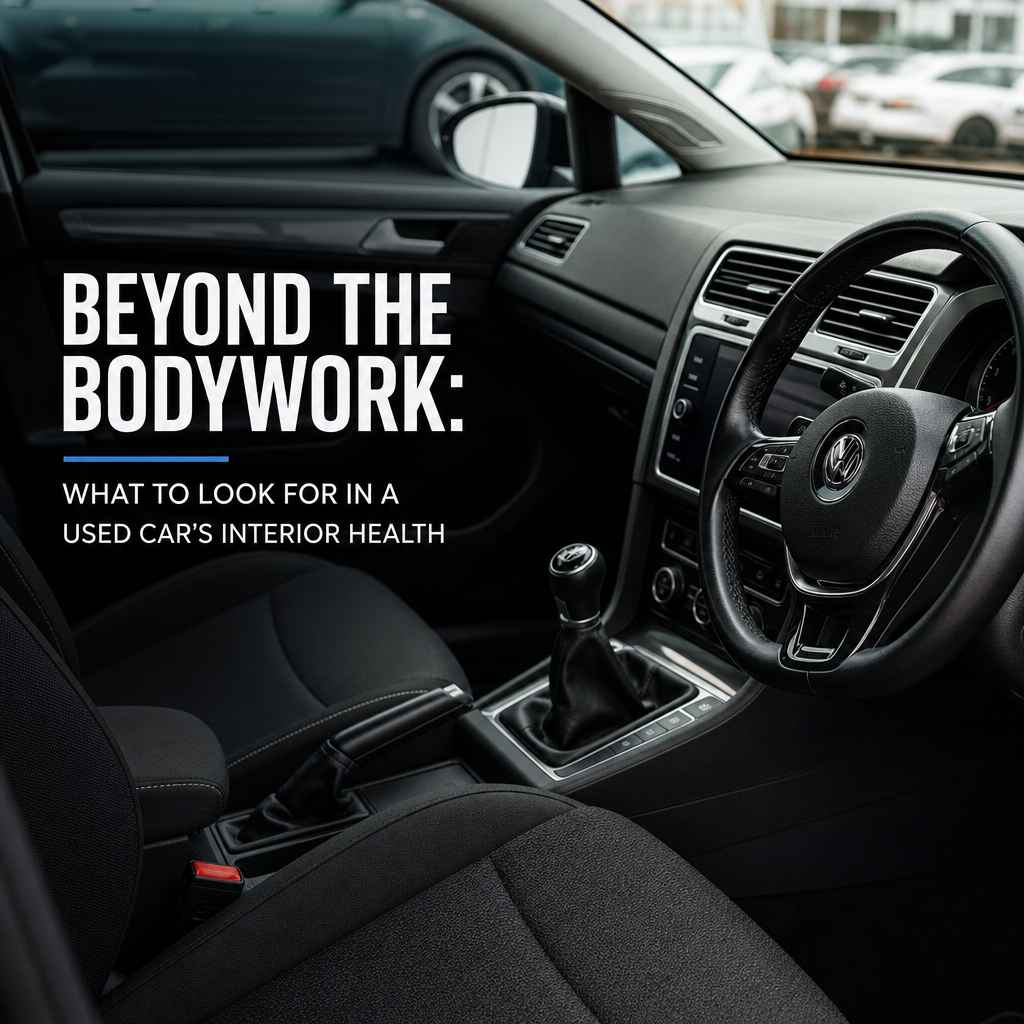
Beyond the Bodywork: What to Look For in a Used Car's Interior Health
When browsing for a used car on CarsLink.ai, it’s all too easy to be captivated by gleaming paintwork and alloy wheels. While a presentable exterior certainly makes a car more appealing, it’s the interior – where you’ll spend 100% of your driving time – that truly dictates your ownership experience. A car's cabin is more than just seats and a steering wheel; it's a silent testament to its history, the care it's received (or lacked), and ultimately, its long-term value.
Many buyers overlook a thorough interior inspection, assuming superficial cleanliness is enough. However, delving deeper can reveal crucial insights into potential hidden costs, neglect, or even underlying mechanical issues. Let’s unpick what to meticulously examine inside a used car, moving beyond the obvious to identify the true health of its interior.
Decoding Wear and Tear: Seats, Dashboard & Controls
The wear and tear on a car's interior components often tells a compelling story about its mileage, type of use, and owner habits. Start by taking a holistic view, then drill down into the specifics.
Seats: These are the primary touchpoints and often the first to show signs of age.
- Material Inspection: Whether it’s cloth, leather, or synthetic upholstery, check for rips, tears, stains, and excessive fraying. On cloth seats, look for discolouration, particularly on the outer bolsters where occupants rub against them getting in and out. Darker patches can indicate dirt ingrained into the fabric, while faded areas suggest prolonged sun exposure.
- Leather Care: For leather seats, inspect for cracks, scuffs, and areas where the colour has worn through, particularly on the bolsters and seat edges. Poorly maintained leather can become stiff and prone to tearing. Give the cushions a squeeze – a saggy driver's seat often indicates high mileage or heavy use, even if the odometer suggests otherwise.
- Mechanism Check: Test all seat adjustments – fore/aft, recline, height adjustment, and lumbar support. Ensure they operate smoothly without excessive effort or grinding noises. If it has heated seats, confirm they warm up evenly.
Dashboard: This large surface can reveal sun damage and signs of tampering.
- Look for cracks, discolouration, or areas where the plastic has become brittle, especially common in older vehicles or those regularly parked in direct sunlight. Some older plastics can also become sticky with age; this is difficult to remedy.
- Check for scratches or holes from aftermarket accessories like phone holders or dashcams. Also, pay attention to the alignment of panels and the fit of the airbag cover – inconsistencies here could suggest previous accident repairs or airbag deployment.
Common Control Points: These small but critical areas endure constant interaction.
- Steering Wheel: A shiny, smooth steering wheel, especially on the rim and spokes, suggests significant use. Leather-wrapped wheels often show wear on the stitching or where hands grip the wheel.
- Gear Knob/Selector: Similar to the steering wheel, the gear knob will often show signs of wear – faded numbers or symbols, scuffs on plastic, or worn leather/stitching.
- Door Handles & Window Switches: Inspect for scratches, faded paint, or worn-off labels on window and mirror controls. Test all electric windows for smooth, consistent operation and listen for unusual noises.
- Pedal Rubbers: Worn-down rubber on the brake, clutch, and accelerator pedals can be a surprisingly accurate indicator of mileage or aggressive driving, often correlating with other interior wear.
Unmasking Neglect: Odours & Unwanted Intruders
An interior’s smell can be one of the most immediate and telling indicators of its history and overall health. Don't underestimate the power of your nose during an inspection.
Persistent Odours:
- Damp/Mould: A musty, damp smell is a major red flag, pointing directly to water ingress. This could stem from faulty door seals, a leaky sunroof, a cracked windscreen seal, or even a damaged boot seal. Lift carpets (especially in the footwells and boot) and feel for dampness. Check for water stains on the headlining (roof lining), particularly around sunroofs or the edges of the windscreen. Water ingress is not just an unpleasant smell; it can lead to rust, electrical faults, and health issues.
- Smoke: The unmistakable smell of stale cigarette smoke is notoriously difficult to remove. Look for yellow or brown nicotine stains on the headlining, sun visors, and dashboard plastics. Burnt areas on upholstery or carpets are also tell-tale signs. For non-smokers, this can be a deal-breaker.
- Pet Odours: A car previously owned by a pet owner might carry a distinct animal smell. Look for pet hair embedded in the carpets or upholstery, scratches on door cards, or chew marks. While some smells can be eradicated, pet dander can be an allergen for future owners.
- General Neglect: Lingering odours from spilled food, poor hygiene, or simply a lack of cleaning can suggest a broader pattern of neglect.
Beyond the Smell – Visual & Tactile Clues for Water Ingress:
- Damp Patches: Press firmly on carpets in all footwells and the boot. If they feel spongy or damp, there's a problem. Check under the spare wheel well for standing water or rust.
- Mildew/Mould Spots: Visible mould on seatbelts, carpets, or in hard-to-reach areas confirms long-term dampness.
- Condensation: Excessive condensation inside the windows, even on a dry day, can indicate moisture trapped within the cabin.
The Electronic Ensemble: Functionality Check
Modern cars are packed with electronics, and checking their functionality is crucial. A fault here can be costly to repair and significantly detract from the driving experience.
Infotainment System:
- Screen & Controls: Turn the system on and test its responsiveness. Does the touchscreen work without lag? Do all physical buttons respond as expected?
- Connectivity: Attempt to pair your phone via Bluetooth. Test the USB ports for charging and data transfer. If it has built-in satellite navigation, test its functionality.
- Audio: Play the radio or a connected device and listen for sound quality from all speakers. Ensure the balance and fade controls work correctly.
- Reversing Camera/Sensors: If equipped, engage reverse gear to check the camera display and audible sensor warnings.
Climate Control:
- AC & Heater: Turn the system on and set it to its coldest and hottest settings. Ensure both cold and hot air blow strongly.
- Fan Speeds & Direction: Test all fan speeds and ensure the air can be directed to the windscreen, face vents, and footwells.
- Heated/Cooled Seats & Steering Wheel: If present, confirm these functions operate effectively.
Power Features:
- Electric Windows & Mirrors: As mentioned, test all windows for smooth operation. For electric mirrors, check adjustment and power-folding functions (if equipped).
- Central Locking & Alarm: Lock and unlock the car from the key fob and ensure all doors respond. If there's an alarm, test it.
- Wipers & Washer Jets: Test both front and rear wipers for smooth operation and ensure washer jets spray effectively.
- Interior & Dash Lights: Turn on all interior lights. Check that all dashboard illumination works and that any warning lights illuminate on start-up and then extinguish as they should. Any persistent warning light requires immediate investigation.
The Bottom Line: Impact on Value & Appeal
Beyond the immediate practicalities, the interior condition of a used car has a profound impact on its market value and desirability.
First Impressions & Resale Value: A clean, well-maintained interior immediately creates a positive first impression, suggesting the car has been looked after comprehensively. Conversely, a scruffy, smelly, or damaged interior can significantly devalue a vehicle, regardless of its mechanical soundness or exterior condition. Buyers are often willing to pay a premium for a car that "feels" good inside, making it an easier sell down the line.
Buyer Psychology: We spend hours within our cars. A pleasant, functional interior enhances the driving experience, contributes to pride of ownership, and simply makes journeys more enjoyable. A neglected interior, on the other hand, can be a constant source of irritation and embarrassment, quickly eroding the joy of ownership. For many, a poor interior can be a deal-breaker, even if the price is tempting.
Hidden Costs & Negotiation: Remedying interior issues can be surprisingly expensive. Professional detailing to remove stubborn odours, repairing worn upholstery, or replacing faulty electronic modules can quickly add hundreds, if not thousands, to the effective purchase price. Identifying these issues during your inspection gives you strong leverage to negotiate the asking price down, potentially saving you a significant sum or helping you walk away from a problematic vehicle.
Conclusion
While the allure of a shiny exterior is undeniable, a truly informed used car purchase extends well beyond the bodywork. The interior is the heart of your daily interaction with the vehicle, and its condition is a crucial indicator of the car's overall history, its mechanical health, and its likely future reliability. By taking the time to meticulously inspect seats, controls, electronic systems, and paying close attention to odours and signs of neglect, you empower yourself to make a smarter, more confident buying decision. A healthy interior isn't just about aesthetics; it's about comfort, functionality, safety, and ultimately, safeguarding your investment. Don't rush it – your future driving pleasure depends on it.