Beyond the Big Portals: Building Your Used Car Dealership's Direct Traffic in the UK
In the bustling landscape of the UK used car market, online portals like Auto Trader, Motors.co.uk, and Gumtree undeniably play a colossal role. They offer unparalleled reach, connecting millions of buyers with thousands of vehicles every day. For many used car dealerships, these platforms are the lifeblood, an essential avenue for shifting stock.
However, relying solely on these third-party aggregators comes with its caveats. They're competitive, often expensive, and, crucially, they position your inventory alongside every other dealer's. The savvy dealership knows that while portals are excellent for initial exposure, the real strategic advantage lies in cultivating direct traffic – drawing customers directly to your own website, your forecourt, and your brand.
Why? Because direct traffic builds brand loyalty, reduces reliance on paid listings, offers higher profit margins by cutting out lead generation fees, and allows you to control the entire customer journey. It’s about more than just a sale; it’s about building a sustainable business with a loyal customer base. So, how can UK dealerships effectively navigate the digital realm to drive more direct traffic? Let’s delve into some practical strategies.
The Cornerstone: Your Independent Dealer Website and SEO
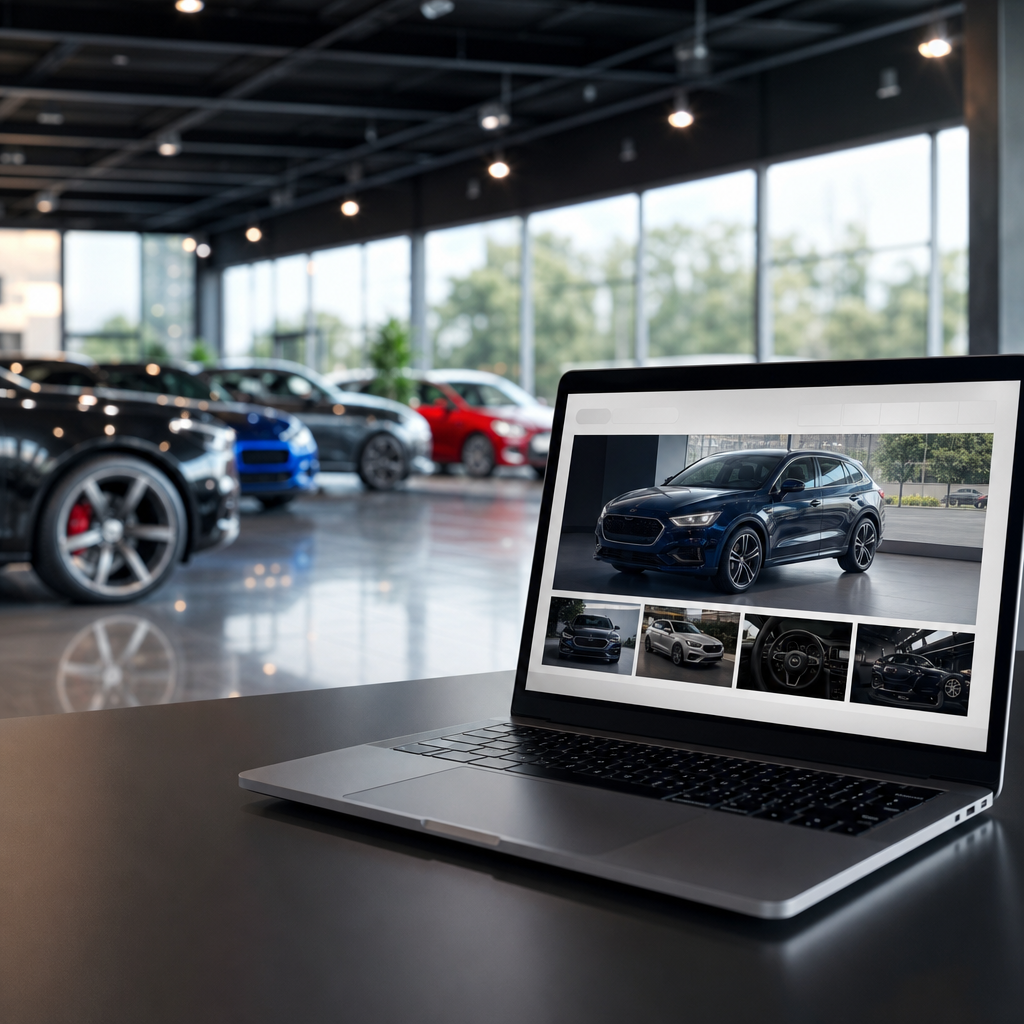
Your dealership's independent website is your digital shopfront, the central hub for all your online marketing efforts. It must be more than just an inventory list; it needs to be a professional, user-friendly, and highly optimised platform that serves as a valuable resource for potential buyers.
Firstly, ensure your website is mobile-responsive. With the vast majority of car searches now happening on smartphones, a clunky, non-optimised site will send potential customers straight to a competitor. Load speed is also critical – even a few seconds' delay can lead to high bounce rates.
Your inventory management should be slick, with high-quality, consistent photography (multiple angles, interior shots, close-ups of features) and detailed, accurate descriptions for every vehicle. Think beyond just listing specifications; highlight unique selling points, recent servicing, and why this specific car might be perfect for a local buyer. For instance, rather than just "Ford Fiesta 1.0 EcoBoost," consider "ULEZ Compliant Ford Fiesta 1.0 EcoBoost Titanium X, ideal for London commutes, with recent full service history."
Crucially, Search Engine Optimisation (SEO) is paramount. This involves optimising your site so it ranks higher in Google for relevant search terms.
- On-page SEO: Use relevant keywords naturally throughout your content, vehicle descriptions, and blog posts. Think like a customer: "used BMW 3 Series Leeds," "family SUV under £15k Manchester," "electric cars Surrey." Ensure your meta titles and descriptions are compelling and include these keywords.
- Technical SEO: Beyond speed and mobile-friendliness, consider implementing schema markup for vehicles. This code helps search engines understand the content on your page, potentially leading to richer search results (e.g., showing price and mileage directly in the Google listing).
- Content Marketing: Don't just list cars; provide value. A blog on your site can cover topics like "Best MPVs for growing families in 2024," "Understanding the new MOT rules," or "Financing options for your next used car." This establishes your dealership as an authority and draws in users searching for information, not just specific cars.
Hyper-Local Engagement: Social Media Done Right
While national social media campaigns have their place, for a used car dealership, the real power of social media lies in hyper-local engagement. Focus your efforts where your potential customers spend their time online: local Facebook groups, community pages, and geo-targeted Instagram campaigns.
Instead of merely posting inventory, think about becoming a valuable part of the local community.
- Engage with Local Groups: Join and actively participate in local "Buy, Sell, Swap" groups or community forums for your town or specific boroughs. Share useful advice, answer questions about car ownership, and occasionally showcase relevant stock that fits the group's needs (e.g., a small city car ideal for navigating Brighton's Lanes).
- Community Sponsorships: Does your local football team need new kits? Sponsoring a local event or charity not only builds goodwill but provides excellent content for your social channels. Share photos, videos, and stories about your involvement.
- Interactive Content: Run polls ("What's your biggest car buying concern?"), host live Q&A sessions on Facebook covering common car questions, or do live walk-arounds of new arrivals. This humanises your brand and builds trust.
- Geo-Targeted Ads: Utilise Facebook and Instagram's powerful targeting tools to reach potential buyers within a specific radius of your dealership. You can even target based on interests (e.g., people interested in "family cars" or "off-roading"). A campaign promoting "Used Hatchbacks in Bristol – All ULEZ Compliant!" directly to users within 10 miles of your showroom can be incredibly effective.
Mastering Google My Business (GMB): Your Digital Shopfront
For any local business, Google My Business (GMB) is arguably the most critical free tool at your disposal. It's your digital shopfront, often the first point of contact for customers searching for a used car dealership in your area.
First, claim and verify your GMB profile immediately. Then, ensure it's meticulously completed:
- Accurate Information: Your exact address, phone number, website link, and opening hours must be precise and consistent across all platforms. Inaccurate information frustrates customers and damages your credibility.
- Comprehensive Categories: Select relevant categories like "Used car dealership," "Car finance," "Car broker," etc.
- High-Quality Photos: Upload plenty of appealing photos – your forecourt, interior of your showroom, specific vehicles, and even photos of your friendly team. This helps customers visualise your premises before they visit.
- Google Posts: Use Google Posts to share updates, new stock alerts, special promotions (e.g., "Free Warranty Upgrade this Bank Holiday!"), or upcoming events. These appear prominently in your GMB listing and can drive immediate interest.
- Q&A Section: Monitor and respond to questions posted by users. This demonstrates engagement and provides valuable information.
An optimised GMB profile improves your visibility in Google Maps and local search results, meaning when someone searches "used cars near me" or "used car dealerships [your town]," your business is much more likely to appear.
The Power of Trust: Encouraging Customer Reviews and Testimonials
In the used car market, trust is everything. Modern consumers heavily rely on the experiences of others, and online reviews are the digital equivalent of word-of-mouth recommendations. They are a powerful form of social proof that can sway potential buyers and significantly impact your direct traffic and sales.
- Make it Easy: After a successful sale, make it incredibly easy for customers to leave a review. Provide a direct link via email to your Google My Business profile, Trustpilot, or your website's review page. A QR code on their handover paperwork that links directly to your review form can also work wonders.
- Polite, In-Person Request: A simple, polite request from the salesperson who handled the deal, "We'd really appreciate it if you could share your experience online," can go a long way.
- Follow-Up Emails: Send a follow-up email a few days after the sale, thanking them for their business and gently reminding them to leave a review if they were happy with the service.
- Respond to ALL Reviews: Whether positive or negative, respond promptly and professionally. Thank customers for positive feedback. For negative reviews, address the concerns respectfully, offer solutions, and invite further communication offline. This shows you care about customer satisfaction and are proactive in resolving issues.
- Showcase Testimonials: Feature glowing testimonials prominently on your website and social media channels. A "Customer of the Month" feature or video testimonials can be particularly impactful.
By actively encouraging and managing reviews, you build a powerful bank of social proof that reassures new customers, boosts your local SEO, and ultimately drives more direct traffic to your trusted dealership.
Conclusion
While the major online portals will likely remain a key part of your sales strategy, building direct traffic is an investment in the long-term health and profitability of your used car dealership. It’s about more than just listings; it’s about creating a strong, independent brand identity online. By focusing on a robust, SEO-optimised website, engaging with your local community through social media, mastering your Google My Business profile, and cultivating a reputation built on excellent customer reviews, you can significantly reduce your reliance on third-party platforms and build a thriving, direct relationship with your customers. The road to success in the UK used car market is paved with trust, visibility, and a strategically independent digital presence.