Beyond London: Preparing Your Used Vehicle for the UK's Expanding Clean Air Zones
The rumble of change is sweeping across the UK’s urban centres, and it’s not just the sound of traffic. A quiet revolution, driven by the imperative to improve air quality, is rapidly expanding the network of Clean Air Zones (CAZs) and Ultra Low Emission Zones (ULEZ). What started as a London-centric initiative is now a nationwide movement, impacting everyone from daily commuters to occasional visitors, and crucially, influencing the used car market.
For drivers and prospective buyers of used vehicles, understanding these zones is no longer an optional extra – it's a necessity. From your morning commute to the potential resale value of your car, the reach of CAZs is growing, demanding a proactive approach to vehicle ownership. This guide from CarsLink.ai will help you navigate this evolving landscape, ensuring you’re well-equipped for a cleaner, greener motoring future.
The UK's Expanding Network of Clean Air Zones
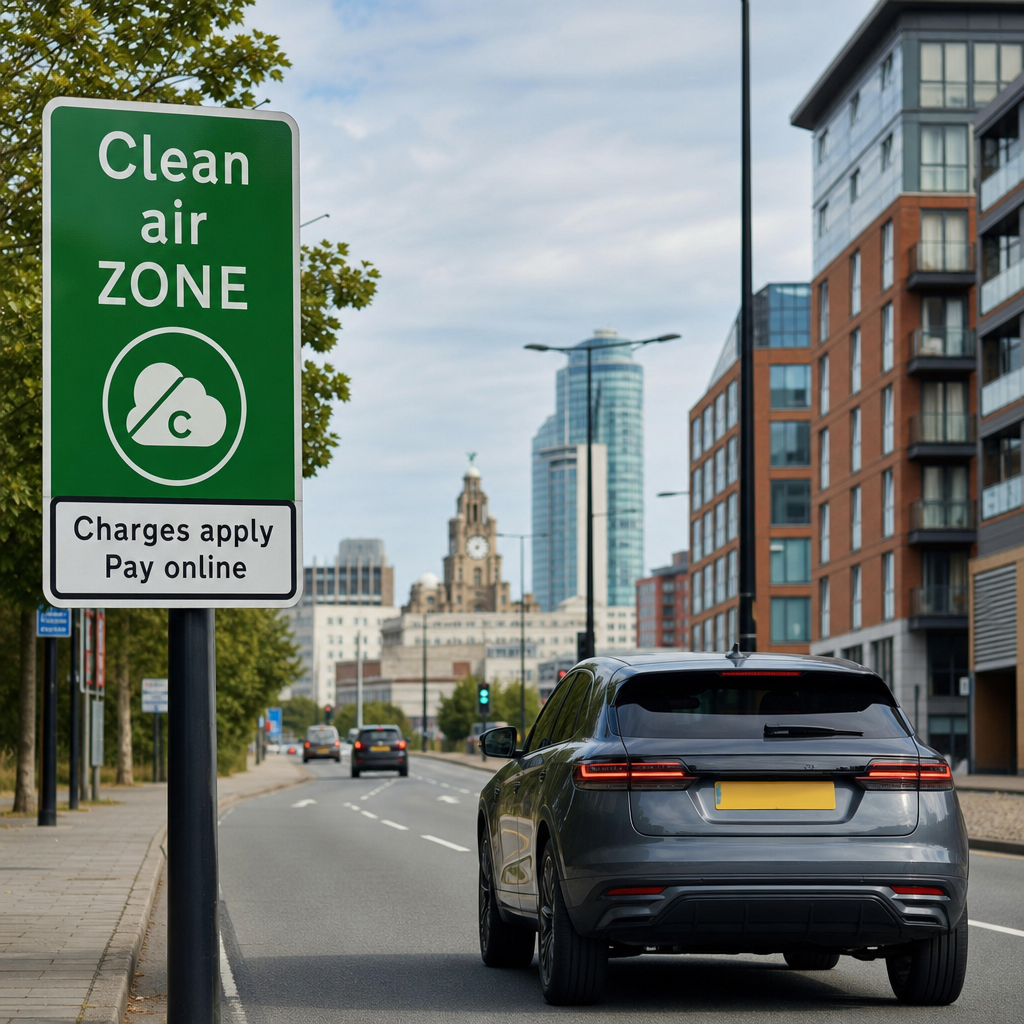
Clean Air Zones are areas where charges apply to the most polluting vehicles to encourage drivers to switch to cleaner models or alternative modes of transport. While the underlying goal is consistent – reducing harmful emissions – the specifics can vary.
The most prominent example, and the blueprint for many, is London’s Ultra Low Emission Zone (ULEZ). Operating 24/7 (except Christmas Day), the ULEZ charges non-compliant vehicles (generally petrol cars not meeting Euro 4 standards, and diesel cars not meeting Euro 6 standards) a daily fee of £12.50. This zone has expanded significantly since its inception, now covering all London boroughs.
Beyond the capital, various other cities have implemented their own CAZs, often differing in the classes of vehicles charged:
- Birmingham CAZ (Class D): Charges apply to non-compliant cars, vans, taxis, buses, coaches, and HGVs.
- Bristol CAZ (Class D): Similar to Birmingham, charging non-compliant cars, vans, taxis, buses, coaches, and HGVs.
- Bradford CAZ (Class C): Charges apply to non-compliant taxis, private hire vehicles, vans, HGVs, buses, and coaches. Crucially, private cars are exempt from charges.
- Sheffield CAZ (Class C): Charges apply to non-compliant taxis, private hire vehicles, vans, buses, coaches, and HGVs. Again, private cars are exempt.
- Tyne and Wear (Newcastle and Gateshead) CAZ (Class C): Charges non-compliant taxis, vans, buses, coaches, and HGVs. Private cars are currently exempt.
- Portsmouth CAZ (Class B): Charges non-compliant buses, coaches, taxis, private hire vehicles, and HGVs. Private cars and vans are exempt.
Other cities, such as Manchester, have explored CAZ options, with some plans put on hold or modified. It’s a dynamic situation, and new zones or expansions could be announced in the future. The takeaway is clear: if you live near or regularly travel to a major UK city, a CAZ is likely to impact you, or soon will.
Checking Your Vehicle's Compliance: A Crucial First Step
Before making any decisions about your current car or a prospective used vehicle, the first and most vital step is to ascertain its compliance status. Thankfully, the UK government provides a simple, centralised tool for this:
- The Official 'Check Your Vehicle' Service: Visit the government's official website (gov.uk/check-clean-air-zone-charge) and enter your vehicle's registration number (number plate). This tool will tell you if your vehicle is compliant for all existing CAZs and ULEZ in the UK. It's the most reliable and up-to-date source of information.
Understanding what makes a vehicle compliant is also key:
- Petrol Vehicles: Generally, petrol vehicles must meet Euro 4 emissions standards. Most petrol cars registered from around 2006 onwards meet this standard.
- Diesel Vehicles: Diesel vehicles typically need to meet Euro 6 emissions standards. Most diesel cars registered from around September 2015 onwards meet this standard.
- Electric Vehicles (EVs) and Hydrogen Fuel Cell Vehicles: These are zero-emission and are always compliant with all CAZs and ULEZ.
- Hybrid Vehicles: Plug-in hybrids and self-charging hybrids are generally compliant if their internal combustion engine meets the relevant Euro standards (Euro 4 for petrol, Euro 6 for diesel).
- Motorcycles: Most motorcycles and mopeds registered from 2007 onwards meet the Euro 3 standard required for ULEZ. For other CAZs, motorcycles are often exempt from charges altogether, but checking is always advisable.
Your vehicle's V5C logbook (registration document) can also provide clues. While it may not explicitly state "Euro 4" or "Euro 6," it will list the vehicle's "Emissions (CO2 g/km)" and potentially an "Exhaust Emissions" category, which can be cross-referenced with online guides or manufacturer specifications. However, the government's online checker remains the definitive source.
The Resale Reality: What Non-Compliant Vehicles Mean for Sellers
For those looking to sell a used vehicle that doesn't meet CAZ standards, the landscape has undeniably shifted. The days of simply finding a buyer who likes the car are dwindling, particularly if that buyer lives in or regularly travels to a CAZ.
- Reduced Demand and Lower Prices: Non-compliant vehicles, especially older diesels, face a significantly smaller pool of potential buyers. This reduced demand inevitably leads to lower asking prices. For instance, a Euro 5 diesel hatchback might fetch a considerably lower price than an otherwise identical Euro 6 model, simply due to its CAZ status.
- Geographical Impact: Sellers in or near CAZ cities will feel the impact most acutely. Buyers in these areas are actively seeking compliant vehicles, making non-compliant cars harder to shift. Conversely, sellers in rural areas or towns without CAZs might find it easier, but their market is still likely to be constrained by buyers from urban centres.
- Transparency is Key: When listing a non-compliant vehicle on platforms like CarsLink.ai, it's crucial to be transparent about its CAZ status. Hiding this information will only lead to wasted time and frustrated buyers. Consider clearly stating something like, "Please note: This vehicle does not meet Euro 6 emissions standards and may be subject to charges in Clean Air Zones."
- Consider Your Alternatives: If your car is non-compliant and you're struggling to sell, consider options like part-exchange deals (though the trade-in value might be low) or even scrappage schemes if available in your area (e.g., London’s ULEZ scrappage scheme offers grants for compliant replacements). Some charities may accept older vehicles for donation.
Navigating the CAZ Landscape: Strategies for Used Car Buyers
For those in the market for a used vehicle, the expansion of CAZs adds a new layer of consideration. Your purchasing strategy needs to be proactive and informed.
Prioritise Compliant Vehicles:
- Petrol: Look for petrol cars registered from approximately 2006 onwards (Euro 4).
- Diesel: Focus on diesel cars registered from September 2015 onwards (Euro 6).
- Electric and Hybrid: EVs and plug-in hybrids are the safest long-term bets for CAZ compliance. Even self-charging hybrids are generally compliant. While potentially more expensive upfront, they offer significant peace of mind and lower running costs (fuel, road tax, potential parking benefits).
- Use CarsLink.ai Filters: Many used car directories, including CarsLink.ai, offer filters for Euro emissions standards or fuel type. Utilise these to narrow down your search efficiently.
Understand Your Travel Needs:
- How often do you anticipate driving into a CAZ? If it’s daily, the cumulative charges can quickly outweigh the savings from a cheaper, non-compliant car. For example, a £12.50 daily ULEZ charge could amount to over £300 a month.
- Could public transport or park-and-ride options be viable alternatives for occasional CAZ visits? Consider parking just outside the zone and completing your journey by bus, train, walk, or cycle.
Be Wary of "Retrofit" Claims for Cars: For private cars and vans, approved retrofit solutions to upgrade emissions standards to meet CAZ compliance are generally not available or financially viable. While some larger commercial vehicles (HGVs, buses, coaches) have approved retrofit schemes, this is rarely an option for standard passenger cars. Don't buy a non-compliant car hoping to simply fit a cheap device to make it compliant.
Financial Support and Scrappage Schemes: Keep an eye out for local scrappage or grant schemes. London's ULEZ scrappage scheme, for example, provides financial assistance to eligible residents and small businesses to replace older, polluting vehicles with compliant alternatives. While not universal, similar initiatives might appear in other cities.
Conclusion
The expansion of Clean Air Zones across the UK is a pivotal shift for motorists. It underscores the growing importance of environmental responsibility in vehicle choice and ownership. For used car buyers, it means looking beyond the immediate price tag to consider long-term running costs and usability. For sellers, it demands realistic pricing and transparent communication.
By understanding the rules, checking vehicle compliance diligently, and making informed decisions, you can navigate this evolving landscape confidently. The future of motoring is undeniably cleaner, and with the right preparation, your used vehicle can be a compliant, cost-effective part of it.