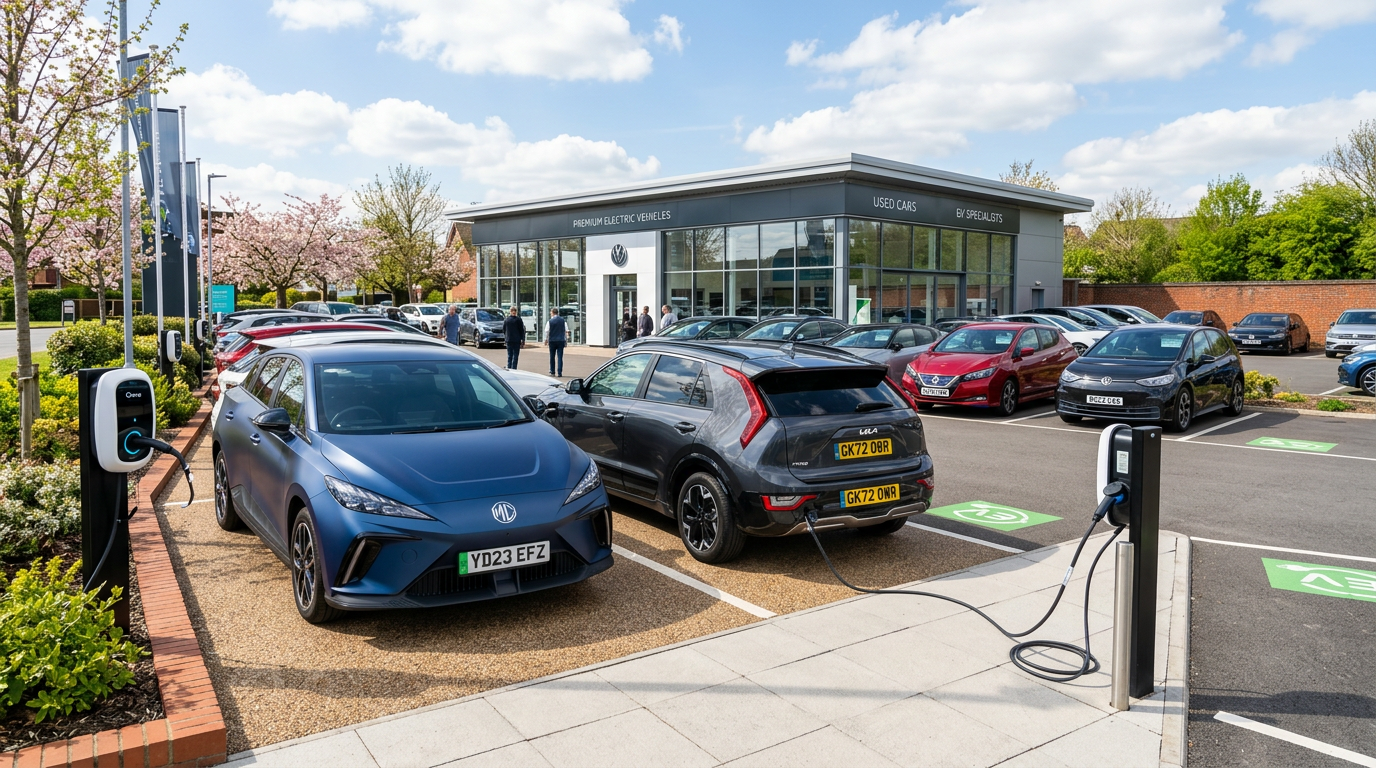
As we move into the spring of 2026, the UK’s used electric vehicle (EV) market has reached a definitive turning point. For the first time, we are seeing genuine EV price parity in the second-hand market, where high-quality battery electric vehicles (BEVs) are often priced identically to—or even lower than—their petrol or diesel equivalents.
With the 2030 and 2035 ZEV mandates continuing to shift the landscape, and a surge of three-year-old leases from the 2023 boom returning to forecourts, the choice for UK buyers has never been better. However, navigating this market requires an understanding of battery health, changing ULEZ requirements, and the latest road tax (VED) adjustments that came into effect for EVs in 2025.
Why 2026 is the 'Sweet Spot' for Used EVs
The narrative surrounding electric car depreciation in the UK has been sobering for first-time owners but a goldmine for savvy used buyers. Many premium EVs have seen steep depreciation curves, losing up to 50-60% of their value in the first three years. This has created a secondary market where high-tech, long-range vehicles are now accessible for the price of a mid-range petrol hatchback.
Furthermore, infrastructure has significantly matured. As of early 2026, the UK's rapid charging network has expanded by 40% compared to two years ago, making range anxiety a relic of the past for most users. Here is why now is the time to buy:
- Supply Surplus: A record number of fleet and PCP returns are hitting dealer lots this spring.
- Battery Confidence: 2026 data shows that modern lithium-ion batteries are degrading much slower than originally feared, with most 5-year-old cars retaining over 90% capacity.
- ULEZ and CAZ: With more UK cities implementing Clean Air Zones, a used EV is the ultimate "future-proof" asset against rising urban driving costs.
Top Recommendations: Best Value Used EVs for Spring 2026
We have analysed current market data to identify the best value propositions across different segments. Whether you are a city commuter or a long-distance driver, these models represent the best "bang for your buck" on the CarsLink.ai search platform right now.
1. The Value King: MG4 EV (2022-2024 Models)
The MG4 remains the disruptor of the UK market. As 2023 models hit the three-year mark, they are flooding the used market at incredibly competitive prices. Its rear-wheel-drive platform offers a surprisingly engaging drive that competes with the Volkswagen ID.3 at a fraction of the cost.
2. The Premium Bargain: Tesla Model 3 (Phase 2 ‘Highland’ and Pre-facelift)
The Model 3 remains the benchmark for efficiency and software. With the 'Highland' refresh now well-established, many 2021-2023 pre-facelift models are available for under £20,000. These cars still benefit from the unparalleled Tesla Supercharger network.
3. The Family All-Rounder: Kia Niro EV / Hyundai Kona Electric
The Korean cousins continue to dominate the reliability surveys. The 64kWh versions of these cars offer a 'real world' 250-mile range that remains competitive even by 2026 standards.
Comparative Data: Used EV Market Prices (Spring 2026 Estimates)
| Model | Avg. Used Price (3yr old) | Real-World Range | Insurance Group |
|---|---|---|---|
| MG4 EV (64kWh) | £14,500 - £16,000 | 220 miles | 28 |
| Tesla Model 3 (SR+) | £18,000 - £21,000 | 235 miles | 48 |
| Kia Niro EV | £17,500 - £19,500 | 255 miles | 26 |
| Fiat 500e (42kWh) | £11,000 - £13,000 | 140 miles | 19 |
| Vauxhall Corsa-e | £10,500 - £12,500 | 160 miles | 24 |
Factors Affecting Ownership Costs in 2026
Road Tax (VED) for EVs
It’s important to remember that since April 2025, EVs are no longer exempt from Vehicle Excise Duty (VED). Used EVs registered after April 2017 now pay the standard annual rate. Additionally, owners of premium EVs (with an original list price over £40,000) must pay the 'Expensive Car' supplement for five years from the second time the vehicle is taxed. Always check the V5C logbook to confirm the original list price to avoid unexpected £400+ annual tax bills.
Battery Health and Warranty
In 2026, most EVs carry an 8-year/100,000-mile battery warranty. When buying used, ensure you receive a Battery State of Health (SOH) certificate. Dealers using AI-driven valuation tools often provide this data upfront. A health score above 85% for a three-year-old car is considered excellent.
Advice for Dealers and Traders
The spring market in 2026 is seeing a shift in buyer sentiment. Transparency is now the primary currency. Dealers who provide detailed charging histories and battery health reports are turning stock 25% faster than those who don't. With the rise of tools like CarsLink.ai, buyers are more informed than ever; they are looking for "price-to-range" value rather than just the lowest sticker price.
Stocking "Entry-Level" EVs like the Fiat 500e or the Nissan Leaf (with e+ 62kWh battery) is proving highly profitable as secondary cars for households looking to avoid ULEZ charges in cities like London, Birmingham, and Bristol.
How to Conduct Your Search
When searching for cheap electric cars in the UK, don't just look at the age of the car. Factor in the on-board charger speed. Older EVs often only had 7kW AC charging; newer models (2023 onwards) frequently feature 11kW or 22kW capability, which is a major selling point for buyers who rely on public AC destination chargers.
Using an AI-powered search tool like CarsLink.ai allows you to filter specifically for these technical nuances, ensuring you find a vehicle that fits your specific charging infrastructure at home or work.
Checklist for Buying a Used EV this Spring
- Check the V5C: Confirm the number of previous owners and the exact registration date for tax purposes.
- Inspect the Charging Cables: Ensure both the Type 2 to Type 2 cable and the 3-pin "granny" charger (if included) are present and undamaged.
- Tyre Wear: EVs are heavier and have high instant torque; check for uneven wear, as EV-specific tyres (like Michelin Pilot Sport EV) can be more expensive to replace.
- Service History: While EVs have fewer moving parts, they still require coolant changes for the battery and brake fluid flushes.
- Software Version: Ensure the infotainment and vehicle firmware are up to date, especially for brands like VW (ID series) and Tesla.
Conclusion: The Verdict
Spring 2026 represents the most logical time to transition to electric power in the UK. The "early adopter tax" has vanished, replaced by a mature market where EV price parity is a reality. Models like the MG4 and the Kia Niro EV offer incredible reliability and low running costs, while the plummeting prices of premium models like the Tesla Model 3 have brought luxury driving within reach of the average buyer.
Ready to find your next car? Start your journey by searching the latest listings on CarsLink.ai to compare live market prices and battery health data across the UK’s leading dealerships. Drive into the future this spring without the premium price tag.