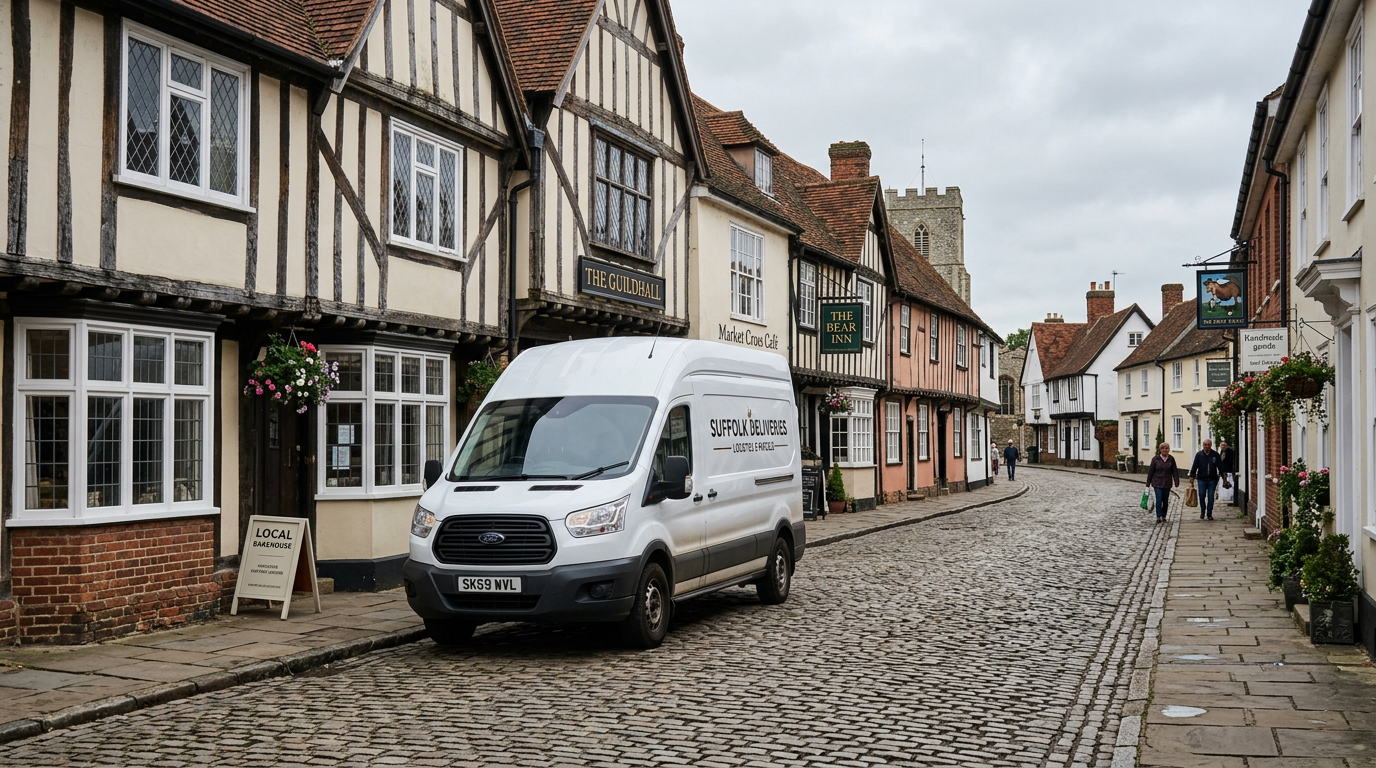
Suffolk is a unique county for van buyers, offering a diverse landscape that demands versatility from any commercial vehicle. Whether you are an agricultural contractor navigating the rural lanes around Framlingham, a logistics firm operating near the Port of Felixstowe, or a tradesperson serving the growing residential sectors in Ipswich and Bury St Edmunds, the local market for used vans is robust. The county's mix of heavy industrial hubs and wide-open rural spaces means the available stock often ranges from compact city vans to heavy-duty long-wheelbase haulers.
Buying a used van in Suffolk in 2026 offers specific advantages. Because the region is a gateway for international trade via its coastal ports, there is a constant influx of well-maintained ex-fleet vehicles entering the secondary market. Furthermore, the lack of a major metropolitan Clean Air Zone (CAZ) within the county borders—unlike nearby London—means that Euro 6 diesel vans remain highly practical and cost-effective for local operations, even as the transition to electric motoring continues elsewhere.
What to Look for: Popular Models and Body Types
When searching for the best used vans in Suffolk, your choice should be dictated by your specific geography. The county's infrastructure varies wildly, and what works for a courier in the centre of Lowestoft might not suit a builder working in the undulating terrain of the Dedham Vale.
Medium Vans: The Suffolk Workhorses
The Ford Transit Custom and Volkswagen Transporter remain the kings of the East Anglian roads. For those commuting between Ipswich and Colchester via the A12, these vans offer car-like refinement and excellent fuel economy. When inspecting a used Transit Custom, pay close attention to the security upgrades; because these are the most popular vans in the UK, they are often targets for tool theft. Look for vehicles already fitted with deadlocks or internal racking. For the VW Transporter, check the service history for DSG gearbox oil changes if you are opting for an automatic, as the stop-start traffic on the Orwell Bridge can put significant wear on the transmission.
Large Vans: The Long-Haul Specialists
If your business involves moving larger loads or frequent trips to the Midlands or London, a large van like the Mercedes-Benz Sprinter or Volkswagen Crafter is essential. In Suffolk, these are often found with higher mileages due to the long distances between rural towns. However, high mileage shouldn't be a dealbreaker if the van has a documented maintenance record. The Sprinter is particularly prized for its rust resistance in later models—a vital consideration if you are operating near the salty air of the Suffolk coast in towns like Aldeburgh or Southwold.
Compact Vans: Navigating Historic Streets
For tradespeople operating in historic market towns like Lavenham or the narrow streets of Bury St Edmunds, a compact van such as the Citroen Berlingo or Vauxhall Combo is often the smarter choice. These vehicles are easier to park and more maneuverable in tight spaces. In 2026, many of these smaller vans are available as electric variants (EVs). Given that many Suffolk businesses operate within a 40-50 mile radius, an electric Berlingo could offer significantly lower running costs, provided you have access to depot or home charging.
Pricing Trends in the East of England
The pricing for used vans in Suffolk generally tracks closely with the national average, though you may find slightly better value here than in the immediate London commuter belt. In 2026, a well-maintained five-year-old medium van with roughly 60,000 miles on the clock typically sits between £12,000 and £16,000 plus VAT, depending on the specification.
Premium brands like Volkswagen and Mercedes-Benz command a higher resale value due to their perceived reliability and brand image. Buyers should be aware that "clean" vans—those with no dings or scratches—carry a significant premium in the used market. If you are a tradesperson who intends to wrap the van in signage, opting for a mechanically sound vehicle with minor cosmetic imperfections can save you upwards of £1,500.
Where to search
Finding the right commercial vehicle requires a broad view of the local market. Rather than visiting individual forecourts across the county, you can streamline your search online. Carslink.ai aggregates dealer stock across the region, allowing you to filter by payload, wheelbase, and fuel type to find the perfect match for your business. To see the current inventory of commercial vehicles near you, visit the dedicated used vans in Suffolk page.
FAQ: Buying a used van in Suffolk
Is it better to buy a diesel or electric van in Suffolk? This depends on your daily mileage. If your work is primarily local to towns like Ipswich or Newmarket, an electric van (e-LCV) is increasingly viable and offers lower tax and fuel costs. However, if your business requires frequent long-distance travel across the East of England or heavy towing, a Euro 6 diesel remains the most versatile and practical option for most Suffolk buyers in 2026.
What should I check for when buying a van used in the agricultural sector? Many vans in rural Suffolk have been used on farms or by rural contractors. Inspect the underside of the vehicle for excessive mud buildup or damage from rough tracks. Check the suspension components and wheel bearings, as these parts undergo more stress on unpaved roads than they do in urban environments.
How does the coastal environment in Suffolk affect used vans? If a van has spent its life in coastal towns like Felixstowe or Lowestoft, salt air can accelerate corrosion. When viewing a used van, check the sills, wheel arches, and exhaust system for signs of significant rust. Vehicles that have been regularly washed and kept in a garage or sheltered area will generally be in much better condition.
Carslink.ai is an independent vehicle search engine. Listings are provided by third-party dealers. Always verify details directly with the seller before purchasing.