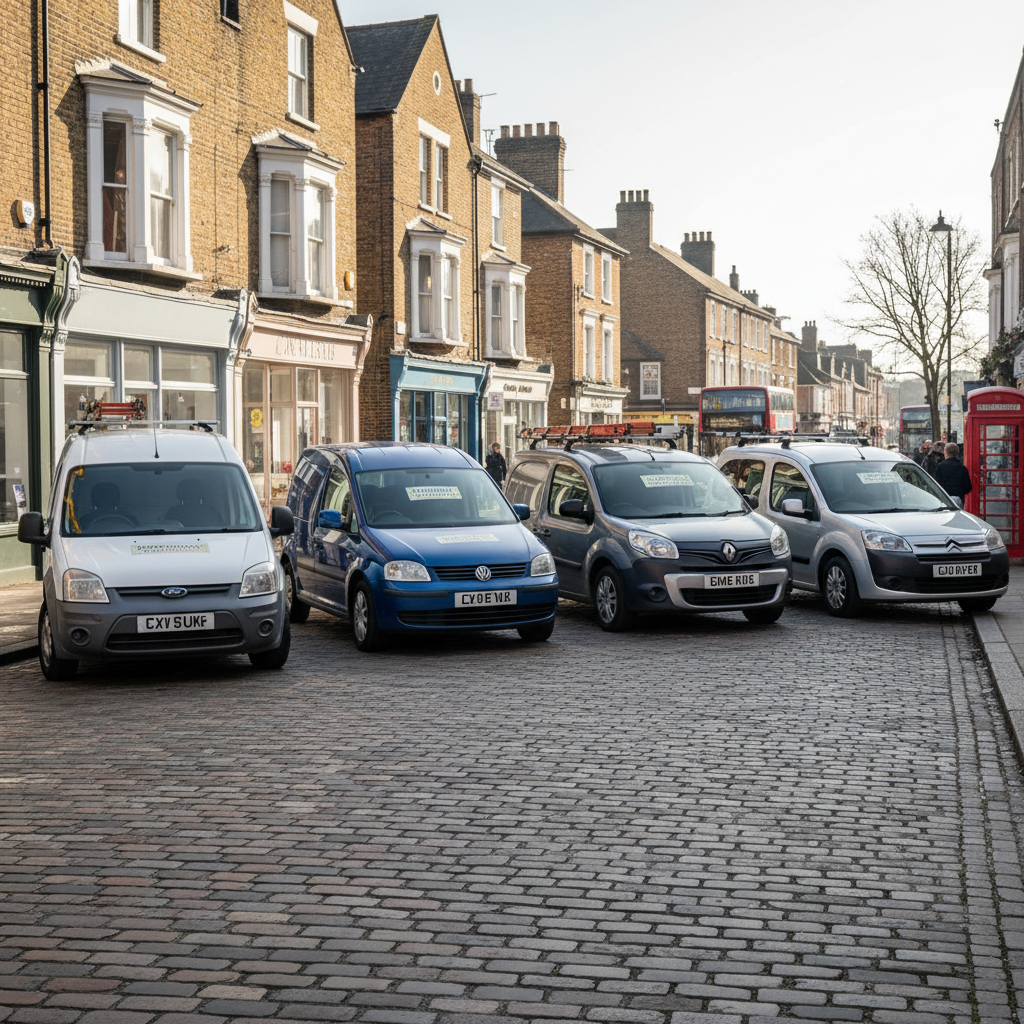
For a self-employed tradesperson in the UK, your van is more than just a vehicle; it's your mobile office, your toolbox, and a vital part of your business. Choosing the right used van means finding a reliable workhorse that doesn't break the bank. Small vans offer the perfect blend of payload capacity, city-friendly dimensions, and lower running costs.
This guide will walk you through the top used small vans available in 2026, what to look for when buying, and how to navigate the paperwork. When you're ready to find your next van, Carslink.ai offers a free, 0% commission way to search thousands of listings from dealers across the UK.
What to Look for in a Used Small Van
Before you dive into makes and models, it's crucial to know what features matter most for your trade.
Payload and Load Volume: This is the absolute priority. Payload is the maximum weight you can carry, including yourself, fuel, and tools. Load volume, measured in cubic metres (m³), is the amount of space inside. Think about your bulkiest tools and most common materials. Do you need to fit an 8x4 sheet of plasterboard? Check the internal length and the width between the wheel arches.
Running Costs: Your van is a business expense, so keep costs low. Look for models with good fuel economy (MPG). Check the van's insurance group and Vehicle Excise Duty (VED) or road tax. Generally, post 2017 vans have a flat rate, but it's always worth checking.
ULEZ and Clean Air Zone (CAZ) Compliance: As of 2026, this is critical. Many UK cities operate zones that charge diesel vehicles a daily fee if they don't meet specific emissions standards. To be safe, you should aim for a Euro 6 diesel van. These were generally mandatory for new vans from September 2016 onwards. Always use the official government ULEZ checker with the van's registration number before committing to a purchase.
Reliability and Service History: A van that's off the road is a van that's costing you money. Look for models with a reputation for solid engineering. A full-service history, either in a stamped book or a digital record, is a massive indicator of a well-maintained vehicle. It shows the previous owner cared enough to keep it in good shape.
Driver Comfort: You spend hours in your van. Features like a comfortable seat, air conditioning, Bluetooth for hands-free calls, and parking sensors can make a huge difference to your working day. Don't overlook them.
The Top Contenders: Best Used Small Vans
Here are our top picks for used small vans that deliver on practicality, reliability, and value. We've focused on models from around 2017 to 2022, which often represent the sweet spot for Euro 6 compliance and affordability.
Ford Transit Connect
The Transit name is legendary for a reason. The smaller Connect offers a car-like driving experience, robust build quality, and excellent practicality. It's an all-rounder that suits a huge range of trades.
- Pros: Superb handling, strong and efficient engines (especially the 1.5L EcoBlue diesel), clever load-through bulkhead for longer items, and a reputation for durability.
- Cons: The interior can feel a little plasticky on base models, and it's often priced slightly higher than French rivals due to its popularity.
- Best For: Plumbers, electricians, and general builders who need a reliable van that's enjoyable to drive.
Citroën Berlingo / Peugeot Partner / Vauxhall Combo
These three vans are essentially the same vehicle underneath, sharing a platform, engines, and technology. This is great news for buyers, as it triples your chances of finding a good one. The generation launched in 2018 is a huge step up.
- Pros: Often class-leading payload capacities, comfortable ride, available with innovative tech like an overload sensor and digital rear-view mirror. The 1.5L BlueHDi diesel is a fantastic engine.
- Cons: The interior design of the Peugeot (called the i-Cockpit) has a small steering wheel that doesn't suit all drivers. Check you're comfortable with it on a test drive.
- Best For: Trades needing maximum payload in a small van, like plasterers or delivery drivers. They offer some of the best value for money on the used market.
Volkswagen Caddy
The VW Caddy has a premium image, backed up by rock-solid build quality and refined driving dynamics. The Caddy 4 (2015-2020) is a popular choice, known for its strong 2.0 TDI engines and comfortable cabin.
- Pros: Excellent build quality, refined and quiet on the move, strong residual values (meaning it holds its value well), and a high-quality interior.
- Cons: Generally has a smaller payload and load volume than its main rivals. It's also one of the most expensive small vans to buy used.
- Best For: Carpenters, locksmiths, and tech installers who want a more premium image and a car-like van for long-distance work.
Renault Kangoo
The Renault Kangoo is a practical, no-nonsense choice that has been a favourite for years, especially in its electric E-Tech form. The diesel versions, particularly the 1.5 dCi models, are known for being exceptionally frugal and reliable.
- Pros: Very economical, often cheaper to buy than rivals, and comes in various lengths and configurations. The wide side-loading door is a useful feature.
- Cons: The driving experience isn't as sharp as a Transit Connect, and the interior can feel a bit basic compared to the competition.
- Best For: Sole traders on a tighter budget, such as gardeners or window cleaners, who prioritise low running costs above all else.
| Van Model | Typical Payload (approx.) | Load Volume (approx.) | Why It's a Great Choice |
|---|---|---|---|
| Ford Transit Connect | 600 - 900 kg | 2.9 - 3.6 m³ | Excellent all-rounder, great to drive. |
| Citroën Berlingo & Co | 650 - 1000 kg | 3.3 - 3.9 m³ | Class-leading payload and fantastic value. |
| Volkswagen Caddy | 550 - 750 kg | 3.2 m³ | Premium build quality and refined ride. |
| Renault Kangoo | 600 - 800 kg | 3.0 - 4.0 m³ | Extremely economical and great value. |
Your Used Van Buying Checklist
Once you’ve found a potential van on Carslink.ai, follow these steps to ensure you’re making a smart investment.
Check the Paperwork:
- V5C Logbook: This is the vehicle's registration document. Make sure the seller's name and address match what's on the V5C. Check that the Vehicle Identification Number (VIN) on the document matches the one on the van (usually at the base of the windscreen and on a plaque inside the door). If anything doesn't add up, walk away. You can check vehicle details with the DVLA online.
- MOT History: Use the free government MOT check website. All you need is the registration number. Look for a history of failures and, more importantly, recurring 'Advisories'. Persistent advisories for things like suspension wear or oil leaks could signal expensive future repairs.
- Service History: A van with a full-service history is worth its weight in gold. It shows it has been looked after.
The Physical Inspection:
- Exterior: Look for dents, scratches, and signs of rust, especially around the wheel arches and sills. Check for mismatched paint, which could indicate a poor-quality accident repair.
- Load Bay: This area will have wear, but look for excessive damage that might suggest the van has been abused. Check that the rear doors and any side doors open and close securely.
- Engine & Mechanics: Ask for the engine to be cold when you arrive. Check for any visible oil or fluid leaks underneath. Look at the tyres; uneven wear could point to alignment or suspension problems.
- Interior: Test every button and switch. Does the air conditioning blow cold? Does the radio and Bluetooth work? Heavy wear on the driver's seat, steering wheel, and pedals could suggest the mileage is higher than indicated.
The Test Drive: Drive the van on a variety of roads, including a faster dual carriageway if possible. Listen for any knocking from the suspension or whining from the engine or gearbox. Test the brakes in a safe place. Does the van pull to one side? Does the clutch feel smooth or is it difficult to engage gear?
Financing Your Van: Many dealers offer finance options. The most common for commercial vehicles is Hire Purchase (HP), where you pay monthly instalments and own the van at the end of the term. Personal Contract Purchase (PCP) is less common for vans but involves lower monthly payments and a large final 'balloon' payment. HP is usually the most straightforward path to ownership for a business asset.
Conclusion
The right used small van is an investment that will pay for itself many times over. Models like the Ford Transit Connect, the trio of Citroën Berlingo, Peugeot Partner, and Vauxhall Combo, the VW Caddy, and the Renault Kangoo all offer a strong mix of reliability and practicality.
By carefully checking the van's history, condition, and ULEZ status, you can secure a dependable partner for your business. Start your search on Carslink.ai today. With thousands of dealer listings, 0% commission, and powerful search filters, your perfect work van is just a few clicks away.
Disclaimer: This article is for informational purposes only. All vehicle details, including price, specifications, condition, and history, should be independently verified with the selling dealer prior to purchase. Carslink.ai is not responsible for any discrepancies or omissions in vehicle listings.
Frequently asked questions
How do I know if a used small van is ULEZ compliant?
Most diesel vans registered after September 2015 (Euro 6) are ULEZ compliant. To avoid daily charges in London and other UK Clean Air Zones (CAZ), ensure the used van meets Euro 6 standards for diesel or Euro 4 for petrol.
What paperwork should I check when buying a used van?
Check the V5C logbook to confirm the registered keeper and engine details. Ensure the van has a current MOT certificate via the GOV.UK status checker, and verify its service history to confirm cam belt changes and regular maintenance.
What is the average payload for a small trade van?
Small vans typically offer a payload between 600kg and 1,000kg. Always check the 'Gross Vehicle Weight' on the manufacturer's plate; exceeding this limit is illegal and can lead to heavy DVLA fines and invalidated insurance.
Should I choose PCP or HP for a used small van?
PCP (Personal Contract Purchase) offers lower monthly payments with an optional final balloon payment, while HP (Hire Purchase) means you will own the van outright at the end of the term. HP is often preferred by tradespeople wanting to claim capital allowances.
Which small vans are most reliable for UK tradespeople?
Common models like the Ford Transit Connect, Volkswagen Caddy, and Citroen Berlingo are popular for their balance of load volume, fuel efficiency (MPG), and the wide availability of affordable spare parts in the UK.
Information current as of 2026. Always verify the latest specification, price and availability with the dealer before purchasing. Carslink is a free search engine and does not handle the sale.