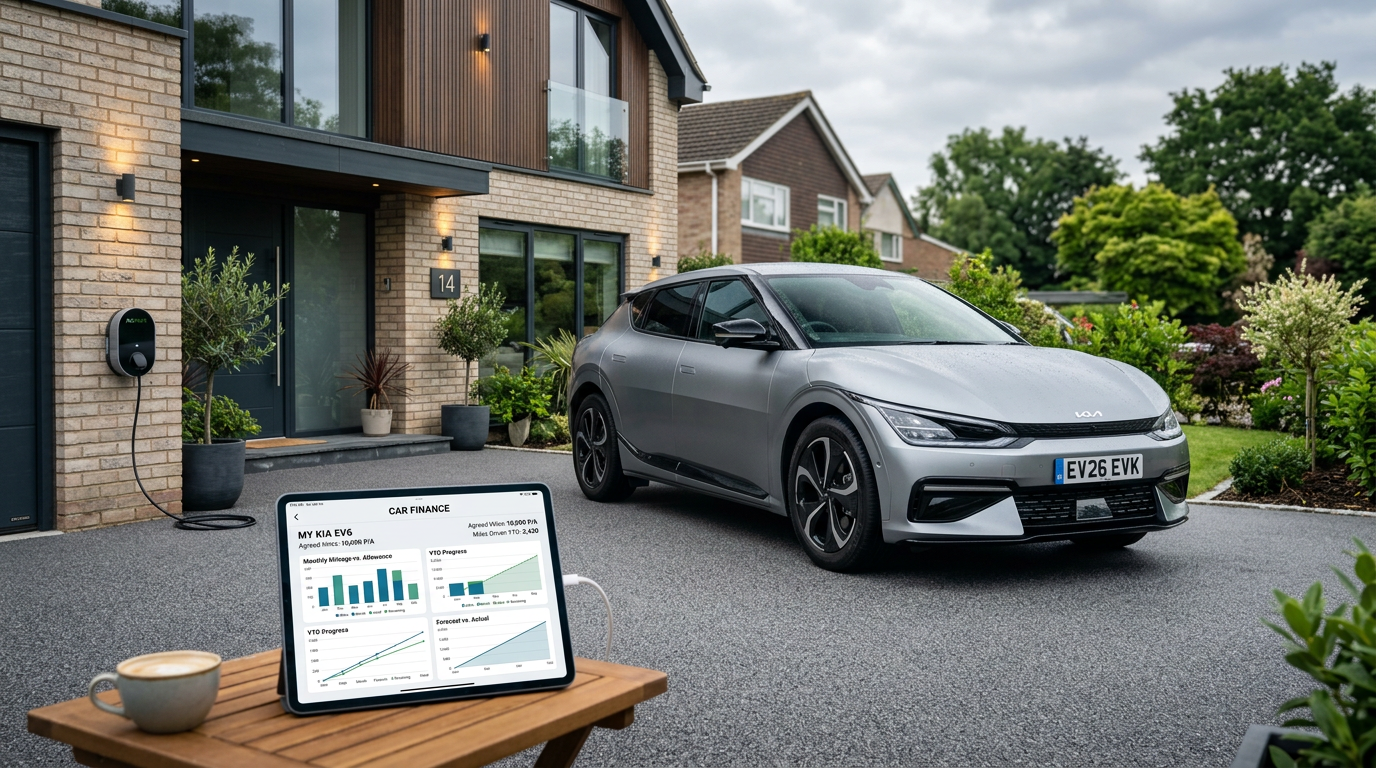
As we move through 2026, Personal Contract Purchase (PCP) remains the most popular way for UK drivers to get behind the wheel of a new or nearly-new car. However, as the first wave of high-tech EVs and hybrid vehicles financed in the post-pandemic era reach the end of their agreements, many motorists are facing a familiar sting: PCP excess mileage charges.
With average excess mileage rates now hovering between 7p and 15p per mile—and significantly more for premium brands—a slight miscalculation of your annual commute can lead to a bill worth thousands of pounds. At CarsLink.ai, we’ve analysed the 2026 landscape to help you navigate your options and avoid these unnecessary "end-of-term" penalties.
Why Mileage Matters in 2026
In a PCP agreement, your monthly payments are essentially covering the depreciation of the vehicle. The finance company calculates a Guaranteed Minimum Future Value (GMFV)—what they expect the car to be worth at the end of the term.
High mileage is the primary driver of depreciation. If you return a car with 10,000 more miles on the clock than agreed, it is worth less than the GMFV. To bridge that gap, the lender charges an "excess mileage fee."
Current Market Trends
In 2026, the rise of "as-a-service" subscription models and fluctuating used EV values have made lenders stricter. They are no longer as lenient with small overages as they might have been five years ago. Accurate reporting to the DVLA and during annual MOT tests also means finance companies have a clear digital paper trail of your vehicle's usage.
Understanding the "Pence Per Mile" Hook
When you sign your PCP contract, you agree to an annual limit (e.g., 8,000 miles). If you exceed this, you pay a set rate per mile.
| Vehicle Category | Typical 2026 Excess Charge (per mile) | Cost for 3,000 Over-Mileage |
|---|---|---|
| Budget/Compact | 7p – 9p | £210 – £270 |
| Family SUV (Electric/Hybrid) | 10p – 14p | £300 – £420 |
| Premium/Executive (BMW, Audi, etc.) | 15p – 25p | £450 – £750 |
| Luxury/Performance | 35p+ | £1,050+ |
Note: These figures usually exclude VAT, which is often added on top at the current rate.
Four Strategies to Avoid PCP Excess Mileage Fees
1. The Early Intervention: Mid-Term Adjustments
Most major UK lenders, including Black Horse, VWFS, and PSA Finance, allow you to adjust your mileage mid-contract. If you realise halfway through your three-year term that your new job requires a longer commute, contact the lender immediately.
While this will increase your monthly payments, it is almost always cheaper than paying the lump sum penalty at the end. It also helps you budget more effectively rather than facing a "blindside" invoice.
2. The "Hand Back" vs. "Trade In" Strategy
PCP excess mileage charges only apply if you return the car to the finance company (the "Hand Back" option).
If the used car market is strong—as it remains in 2026 for high-demand EVs—your car might still be worth more than the GMFV, even with the extra miles. At CarsLink.ai, we suggest checking your car’s current market value against your "Settlement Figure." If you trade the car in at a dealership or sell it privately to clear the finance, the excess mileage becomes irrelevant. The dealer simply buys the car "as seen," and the finance is settled.
3. Voluntary Termination (The 50% Rule)
Under the Consumer Credit Act 1974, you have the right to "Voluntarily Terminate" (VT) your agreement once you have paid 50% of the total amount payable (including the balloon payment and interest).
While VT can protect you from some repair costs, be warned: Lenders can still pursue you for pro-rata excess mileage. If you VT halfway through a contract but have already used 90% of the total allowed mileage, you will likely still receive an invoice.
4. The "Purchase and Keep" Route
If you pay the optional final payment (the "balloon"), the mileage is moot. You own the car outright, and the lender doesn't care if you've driven it to the moon and back. This is often the best escape route if you are thousands of miles over your limit and the car is in good mechanical health.
Tracking Your Mileage: The 2026 Digital Way
Relying on your dashboard once a year is a recipe for disaster. Stay proactive with these tools:
- Manufacturer Apps: Most 2024-2026 models (Tesla, Ford, Hyundai) have apps that track mileage in real-time. Sync these to your phone and set alerts for every 1,000 miles.
- MOT Records: Check your previous MOT certificates via the Check MOT History service on GOV.UK to see your year-on-year trends.
- Spreadsheet Tracking: A simple monthly log allows you to see if you’re "trending high" before the final year of the contract.
What Happens if You Get a Massive Bill?
If you return the car and receive a mileage invoice you cannot afford:
- Check the math: Compare the return inspection sheet with your original contract. Ensure they haven't rounded up unfairly.
- Request a Payment Plan: Most lenders would rather accept £50 a month than nothing at all.
- Ombudsman: If you feel the mileage limit was unfairly represented or "mis-sold" during the PCP sign-up process, you can escalate the claim to the Financial Ombudsman Service.
Conclusion
Navigating PCP end-of-contract guide rules in 2026 requires more vigilance than ever. The key takeaway is that the mileage limit is not a suggestion—it is a financial boundary. However, by using tools like CarsLink.ai to monitor your car's real-time trade-in value, you can often find a way to exit your finance without paying a penny in penalties.
Are you reaching the end of your PCP agreement? Don't get caught out by hidden fees. Visit CarsLink.ai today to get an instant valuation and see if trading in your car is a better financial move than handing it back.
Disclaimer: This guide provides general information and does not constitute financial advice. Always consult your contract terms and a qualified financial advisor.