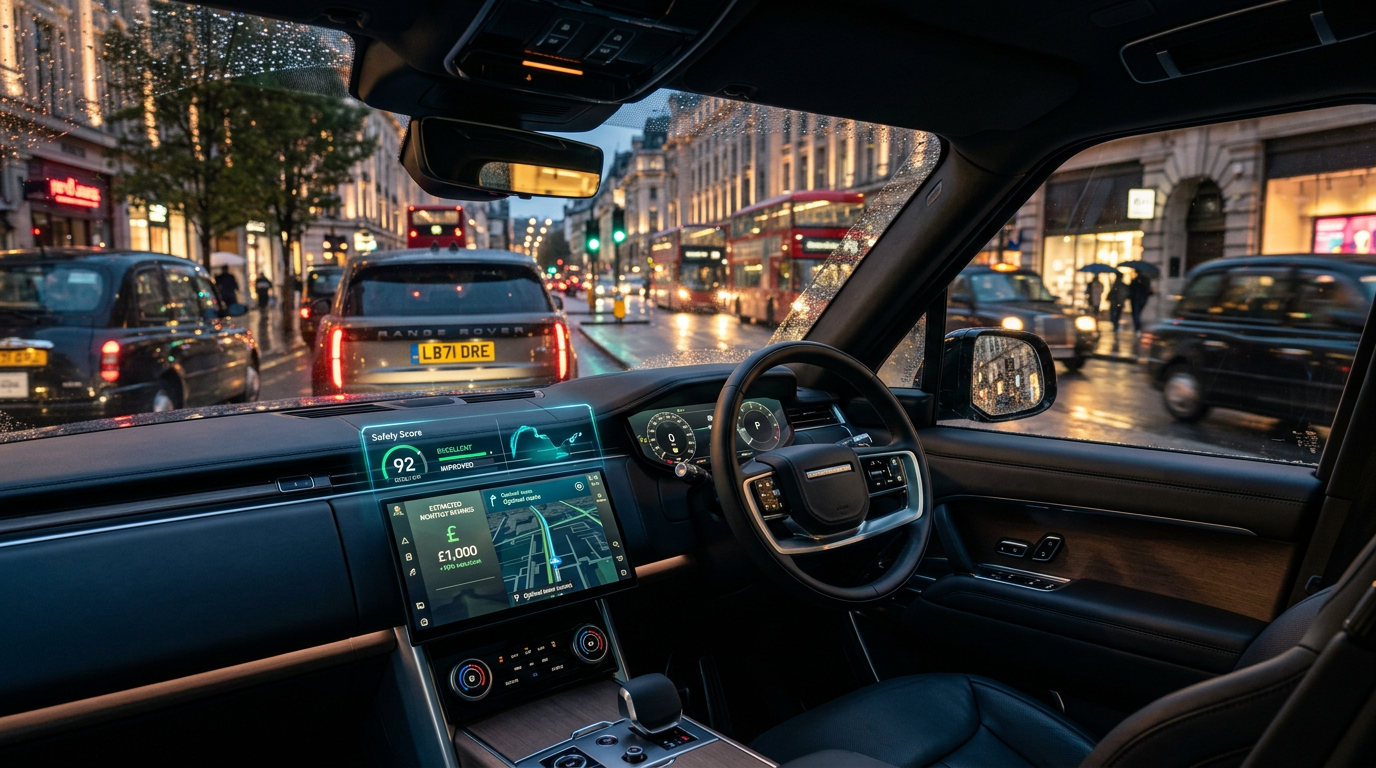
The landscape of UK motoring has undergone a seismic shift over the last twenty-four months. In early 2026, the primary concern for the average driver in London, Birmingham, or Manchester isn't just the price of electricity or petrol—it’s the radically transformed world of motor insurance. Traditional annual premiums based on static snapshots of your life are rapidly becoming relics of the past.
In their place, artificial intelligence (AI) and Usage-Based Insurance (UBI) have moved from the niche 'black box' solutions for teenagers into the mainstream. Whether you are a fleet manager overseeing a dozen vans or a private buyer searching for a used electric SUV on CarsLink.ai, understanding how these technologies dictate your monthly outgoings is now essential for financial health.
The Evolution: From Simple Black Boxes to AI Precision
Back in 2022, 'black box' insurance was often synonymous with young drivers trying to lower astronomical premiums. By 2026, the technology has matured. We have moved far beyond the basic GPS tracking of 1.0 systems.
Today’s AI-driven insurance models utilise 'Telematics 2.0.' This incorporates data from smartphone sensors, vehicle-integrated systems, and even city-wide infrastructure data. AI algorithms now analyse driving patterns in real-time, distinguishing between a sharp brake caused by a reckless pedestrian and a sharp brake caused by distracted driving.
Why 2026 is the Turning Point
Several factors have converged this year to make AI insurance the default choice:
- Vehicle Connectivity: Over 90% of new cars sold in the UK since 2024 come with built-in 5G connectivity, feeding data directly to insurers without the need for an aftermarket 'dongle.'
- Cost of Living Adjustments: With inflation still a factor in domestic budgets, drivers are demanding 'pay-as-you-drive' models to ensure they aren't paying for cover while their car sits on the driveway.
- The ULEZ and CAZ Expansion: Urban driving is more expensive; insurers now use AI to offer lower rates for drivers who avoid high-risk, high-congestion zones during peak hours.
Comparing Traditional vs. AI-Driven Insurance in 2026
To understand the savings, we need to look at how the two models stack up for a typical UK driver (aged 35, driving a 2023 Volkswagen ID.3, living in Bristol).
| Feature | Traditional Annual Policy | AI-Based UBI Policy |
|---|---|---|
| Pricing Basis | Static data (Age, Postcode, Job) | Dynamic data (Real-time habits) |
| Payment Structure | Lump sum or fixed monthly | Performance-linked monthly |
| Annual Premium (Est.) | £950 | £620 - £1,100 (Variable) |
| Feedback | Yearly renewal | Weekly 'Safety Score' via App |
| Flexibility | Set mileage limit | Pay-per-mile options |
How AI Lowers Costs for Different UK Drivers
1. The Low-Mileage Remote Worker
If you work from home in a rural area like the Cotswolds and only use your car for school runs and the weekly shop, traditional insurance is highway robbery. Usage-based insurance 2026 models allow for 'dormant premiums.' When the AI detects the car is parked in a secure location (verified by GPS), your premium drops to a 'theft and fire only' rate, sometimes saving drivers up to 40% annually.
2. The High-Mileage Trader or Courier
For those buying used vans or high-mileage estates on CarsLink.ai, AI insurance offers 'Dynamic Risk Profiling.' Instead of being penalised for high mileage, the AI looks at how those miles are driven. A courier who follows speed limits and avoids harsh cornering can maintain a high safety score, netting them 'no-claims' style discounts in real-time rather than waiting 12 months for a renewal.
3. The Urban EV Driver
In 2026, many UK insurers offer 'Green Rewards.' By using AI to track your charging habits and route efficiency, insurers can partner with energy providers to offer bundled discounts. If the AI sees you are avoiding low-visibility nighttime driving in high-theft areas, your premiums reflect that lower risk profile immediately.
The Role of the DVLA and Regulation
The UK government has been proactive. The 2025 Data Portability Act allows UK drivers to 'port' their driving score from one insurer to another. This prevents 'lock-in' where a driver stays with a provider just because that provider holds their telematics history. Now, you can shop around for the best AI car insurance UK providers with your safety score in hand, much like a credit score.
Barriers and Considerations: It’s Not All Smooth Sailing
While the savings are significant, there are valid concerns that both traders and buyers must consider:
- Data Privacy: Many drivers are still uncomfortable with the 'Big Brother' aspect of constant monitoring. In 2026, the most successful insurers are those offering 'Anonymised Risk Profiling,' where the human agent never sees your specific locations, only your safety aggregates.
- Infrastructure Reliability: In parts of the Scottish Highlands or rural Wales, 5G blackspots can occasionally lead to data gaps. AI models have become better at 'filling the blanks,' but it remains a minor friction point.
- The 'Aggressive Driver' Penalty: For those who enjoy a spirited B-road drive, AI insurance will be significantly more expensive than traditional policies. We are seeing a market split where 'enthusiast' policies remain traditional, while 'commuter' policies migrate to AI.
Advice for Used Car Buyers in 2026
When you are browsing CarsLink.ai for your next vehicle, you should check the Insurance Group as always, but also investigate the "Telematics Compatibility."
- Check for Integrated Modem: Cars built after 2022 are easier to insure on AI platforms because they don't require an external black box.
- Enquire about the V5C and Data Wipe: Ensure the previous owner has disconnected their 'Digital Twin' from the vehicle's onboard computer so you start with a clean slate for your insurance AI.
- Review the History: Some high-tech used cars now come with a 'Driving Cert'—a verified log of how the car was treated by its previous owner, which can help you secure a lower initial premium.
Conclusion: The Future is Personal
The era of the "average" insurance premium is ending. In 2026, UK drivers are taking control of their costs through better habits and smarter technology. AI car insurance in the UK is no longer a gimmick for the young; it is a sophisticated tool for financial empowerment. By opting for usage-based insurance, the disciplined driver can save hundreds of pounds, making the dream of owning a premium vehicle far more attainable.
If you're ready to find a vehicle that fits into this new, cost-effective era of motoring, start your search on CarsLink.ai today. Use our AI-powered filters to find the most efficient, insurance-friendly cars available in your area.