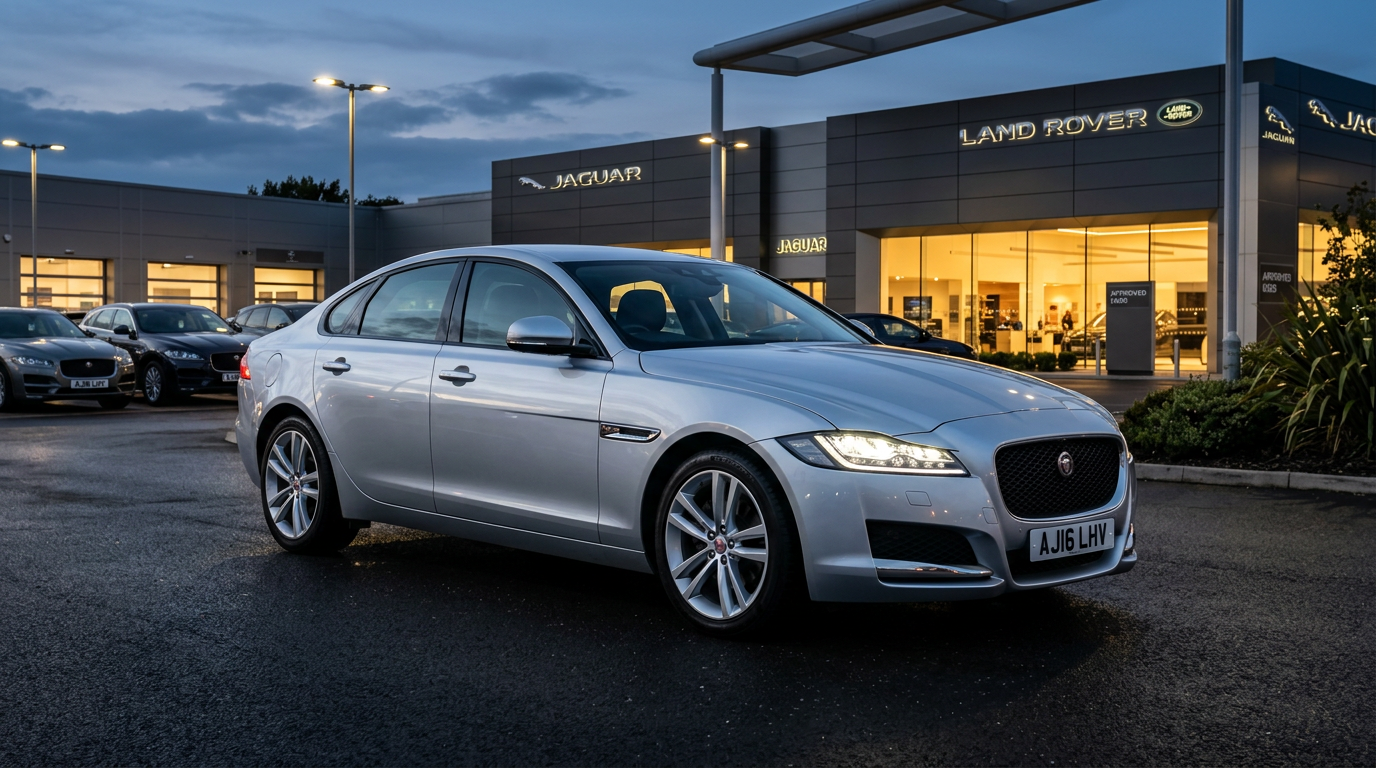
The UK automotive landscape in 2026 is undergoing a profound structural shift. While the headlines often focus on the rapid adoption of new EVs and the expansion of Clean Air Zones (CAZ), a quieter, more lucrative trend is unfolding in the "middle market." The UK vehicle parc—the total number of cars on our roads—has reached its oldest average age in history.
For years, a "three-year-old car" was the target for most used buyers. However, in 2026, the 10-year-old car (models from 2015–2017) has officially become the "Dealer Goldmine." This convergence of high demand, improved build quality, and changing economic pressures has transformed what was once considered "stock for the auctions" into the most desirable assets on the forecourt.
UK Vehicle Parc 2026: The Statistics
Recent data for 2026 shows that the average age of a car on UK roads has climbed to 10.4 years. This is a significant increase from the 8.4-year average seen a decade ago. Several factors have contributed to this "ageing parc":
- New Car Supply Lag: The ripple effects of the mid-2020s supply chain disruptions meant fewer new cars entered the market, forcing owners to hold onto their vehicles longer.
- Economic Pragmatism: With high interest rates impacting PCP and HP deals, consumers are opting for outright ownership of older, reliable assets.
- Build Quality Peaks: Cars manufactured between 2014 and 2018 represent a "sweet spot" in engineering—modern enough to feature robust safety tech and infotainment, but traditional enough to be easily maintained.
| Metric | 2016 Average | 2026 Average (Est.) | Change |
|---|---|---|---|
| Average Age of PC (Passenger Car) | 8.2 Years | 10.4 Years | +26.8% |
| Scrappage Age (Average) | 13.9 Years | 16.2 Years | +16.5% |
| Annual Mileage per Vehicle | 7,400 Miles | 6,800 Miles | -8.1% |
Why the 10-Year-Old Car is Now "Retail Ready"
In 2026, 10-year-old cars are no longer viewed as "breakers" or "budget runners." Dealers are finding that a 2016 Volkswagen Golf or a 2015 BMW 3 Series, when prepared correctly, flies off the lot faster than two-year-old stock.
1. The "Euro 6" Factor and ULEZ
Crucially, most diesel cars sold after September 2015 and petrol cars sold after 2005 are Euro 6 compliant. This means a 10-year-old car in 2026 still clears the ULEZ and CAZ requirements across London, Birmingham, Bristol, and Glasgow. For the buyer, this offers the prestige of a premium brand at a fraction of the cost, without the daily £12.50 sting.
2. Used Car Reliability in 2026
Modern manufacturing has extended the "health span" of the average vehicle. A well-maintained vehicle with 80,000 miles is now considered mid-life rather than end-of-life. Components that used to fail consistently at the decade mark—such as turbochargers and gearboxes—are proving more resilient in the 2015+ cohorts. For dealers, this means lower warranty claim risks compared to 10-year-old cars of previous generations.
3. Feature Parity
A 2016 Audi A4 or Mercedes C-Class already features LED daytime running lights, DAB radio, Bluetooth connectivity, and often Apple CarPlay or Android Auto. From a consumer perspective, there is very little "tech FOMO" (Fear Of Missing Out) when stepping into a decade-old premium vehicle.
Challenges: Car Parts Shortage UK 2026
While the profit margins are enticing, the "Goldmine" isn't without its pitfalls. The car parts shortage UK 2026 persists as a significant hurdle for both dealers and independent garages.
Global supply chains for legacy ICE (Internal Combustion Engine) components have slowed as manufacturers pivot toward EV components. This has led to:
- Increased Lead Times: Common components like EGR valves, steering racks, and certain sensors can see lead times of 4–6 weeks.
- Rising Costs: The price of OEM parts has outpaced inflation, meaning dealer prep costs must be carefully managed to maintain margin.
- The Rise of Remanufacturing: More dealers are turning to high-quality remanufactured parts and specialist salvage networks to keep 10-year-old stock moving.
For savvy dealers, the solution lies in proactive sourcing. Using AI-driven search tools like CarsLink.ai allows traders to identify stock with full service histories (V5C and MOT records verified), reducing the likelihood of expensive mechanical surprises during the prep phase.
Financing the Decade-Old Asset
One of the biggest shifts in 2026 is the evolution of car finance for older vehicles. Traditionally, PCP (Personal Contract Purchase) was reserved for new or near-new cars.
Today, we are seeing "Hire Purchase (HP) for Heritage" schemes. Lenders are increasingly comfortable offering 36-to-48-month terms on 10-year-old vehicles because their residual values are holding remarkably steady. Because the steep part of the depreciation curve is already over, a 2016 car bought today is likely to retain a higher percentage of its value by 2028 than a new car would over the same period.
Expert Advice for Dealers and Buyers
For Dealers:
- Focus on the "History File": In the 2026 market, a documented cam-belt change or gearbox service is worth £500+ on the retail price.
- Invest in Prep: Buyers expect 10-year-old cars to look 2 years old. High-end detailing and alloy wheel refurbs are essential.
- Diversify Sourcing: Don't rely solely on main-dealer part-exchanges. Use CarsLink.ai to find private listings and small-scale traders outside your local area where prices may be softer.
For Buyers:
- Check the MOT History: Look for recurring "advisories" regarding suspension or brakes. These are signs of a car that has been "run on a budget."
- Insurance Groups: Many 10-year-old premium cars fall into lower insurance groups than their modern, high-tech (and expensive to repair) counterparts.
- Tax Efficiency: Check the VED (Vehicle Excise Duty) bands carefully. A 2016 car may sit in a much cheaper tax bracket than a 2017+ model due to the major UK tax rule changes that occurred in April 2017.
Conclusion: The New "Vintage"
The 10-year-old car is no longer the "cheap" option; it is the "smart" option. In 2026, these vehicles represent the perfect intersection of affordability, reliability, and modern compliance. As the UK vehicle parc continues to age, the profitability of these "modern classics" will only grow.
Whether you are a dealer looking to bolster your margins or a buyer seeking the best bang for your buck, the sweet spot of the market is firmly rooted in the mid-2010s.
Ready to find your next high-margin unit or reliable family runner? Use CarsLink.ai to scan thousands of listings across the UK and find the best 10-year-old gems today.