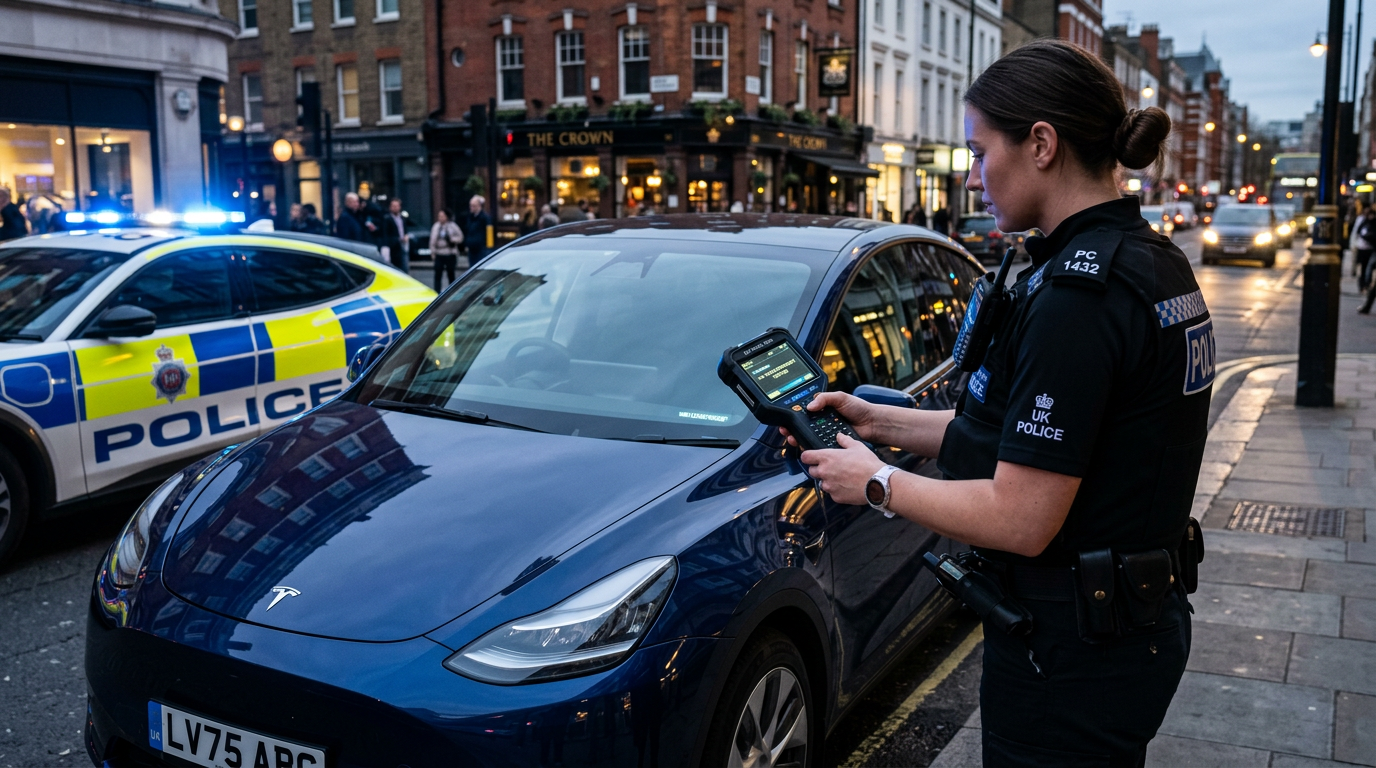
With used car prices remaining resilient in 2026 and the demand for high-end Electric Vehicles (EVs) at an all-time high, fraudsters have escalated their tactics. One of the most sophisticated threats facing UK car buyers today is VIN cloning.
In this guide, we explore how modern car cloning works in 2026, the digital tools available to protect yourself, and how to perform a foolproof identity check before parting with your money.
What is VIN Cloning in 2026?
VIN cloning (also known as 'car identity theft') occurs when a criminal takes the Vehicle Identification Number (VIN) from a legal, roadworthy car and applies it to a stolen or written-off vehicle of the same make, model, and colour.
While physical plate swapping was the norm a decade ago, 2026 fraudsters are more advanced. They now target digital signatures and ECU (Engine Control Unit) data to ensure that even when a police officer plugs in a basic diagnostic tool, the stolen car "reports" its stolen identity as the clean one.
Why is this happening?
By cloning a vehicle, criminals can:
- Sell stolen cars to unsuspecting private buyers.
- Avoid ULEZ and Clean Air Zone charges.
- Circulate vehicles with "clean" MOT histories that actually have dangerous structural defects.
Where to Find the VIN/Chassis Number
To verify a vehicle’s identity, you must check the VIN in multiple locations. In 2026, most UK vehicles feature the VIN in at least four places:
- The Windscreen: Visible through a small window at the bottom corner of the passenger side.
- The Door Pillar: Usually found on a sticker or plate on the driver’s side B-pillar.
- The Chassis: Frequently stamped under the carpet near the driver’s seat or on the bulkhead under the bonnet.
- The Infotainment System: Most modern EVs and ICE cars from brands like BMW, Tesla, and Audi now display the VIN within the "Settings" or "System Info" menu on the dashboard screen.
CarsLink.ai Tip: If the digital VIN on the touchscreen does not match the physical stamp on the chassis, walk away immediately. This is the most common red flag in 2026 fraud.
How to Verify Chassis Numbers: A Step-by-Step Checklist
1. Check the V5C Logbook
The V5C remains the primary document for vehicle ownership. Look for the "Multi-colour" watermark when held up to the light. Ensure the VIN on the V5C matches all physical locations on the car. In 2026, the DVLA has introduced a QR code on the V5C—scan this to ensure the document is still valid and hasn't been superseded by a newer version.
2. Inspect for Physical Tampering
Criminals are skilled, but they aren't perfect. Look for:
- Scratched or Uneven Stamping: Chassis numbers should be perfectly aligned.
- Window Etching: Compare the VIN etched into the glass with the VIN on the plates. If the glass etching is missing or appears "buffed out," it’s a sign of a replaced window or identity theft.
- Non-Standard Rivets: Check the VIN plate under the bonnet. If the rivets look brand new or DIY-applied, the plate may have been swapped.
3. Use an HPI Identity Check and Data Provenance
A basic "cheap" car check is no longer enough in 2026. You need a comprehensive HPI Identity Check. This service cross-references the VIN with the engine number and the V5C issue date.
| Feature | Basic Check | Premium HPI Identity Check |
|---|---|---|
| Stolen Status | Yes | Yes |
| Finance (PCP/HP) | Yes | Yes |
| VIN Match Verification | No | Yes |
| V5C Document Check | No | Yes |
| Mileage Fraud (NMR) | Limited | Full History |
The "Digital Ghost" Threat in 2026
With the rise of "Software Defined Vehicles," hackers can now overwrite the VIN stored in the car's computer. When inspecting a car, use a reputable platform like CarsLink.ai to research the vehicle's history.
If you are buying a premium EV (like a Porsche Taycan or Tesla Model 3), ensure you see the Manufacturer's App connectivity. If the current owner cannot log into the official app and show the car's status, it suggests the vehicle's digital identity has been severed or the car has been "blacklisted" by the manufacturer due to theft reporting.
What to Do if You Suspect a Clone
If you discover the car you are viewing is a clone:
- Do not confront the seller: Fraudsters involved in cloning are often part of organised crime syndicates.
- Report to Action Fraud: Contact the UK’s national reporting centre for fraud.
- Inform the DVLA: They need to know if a legitimate registration is being used on a second, illicit vehicle.
- Contact the Police: If the vehicle is currently in front of you, use the non-emergency 101 number unless you feel in immediate danger.
Summary: Protecting Your Investment
Buying a car is the second-largest purchase most people make. In 2026, the cost of a mistake is higher than ever, especially with standard Road Tax and insurance premiums rising.
Always cross-reference the physical VIN with the digital VIN, verify the QR code on the V5C, and never skip a professional identity check. Platforms like CarsLink.ai are designed to help you navigate these complexities, providing the latest data on vehicle trends and buyer security.
Don't let a "bargain" turn into a total loss. Verify the VIN, check the history, and buy with confidence.
Looking for your next car? Visit CarsLink.ai to browse verified listings and get the latest UK automotive advice.