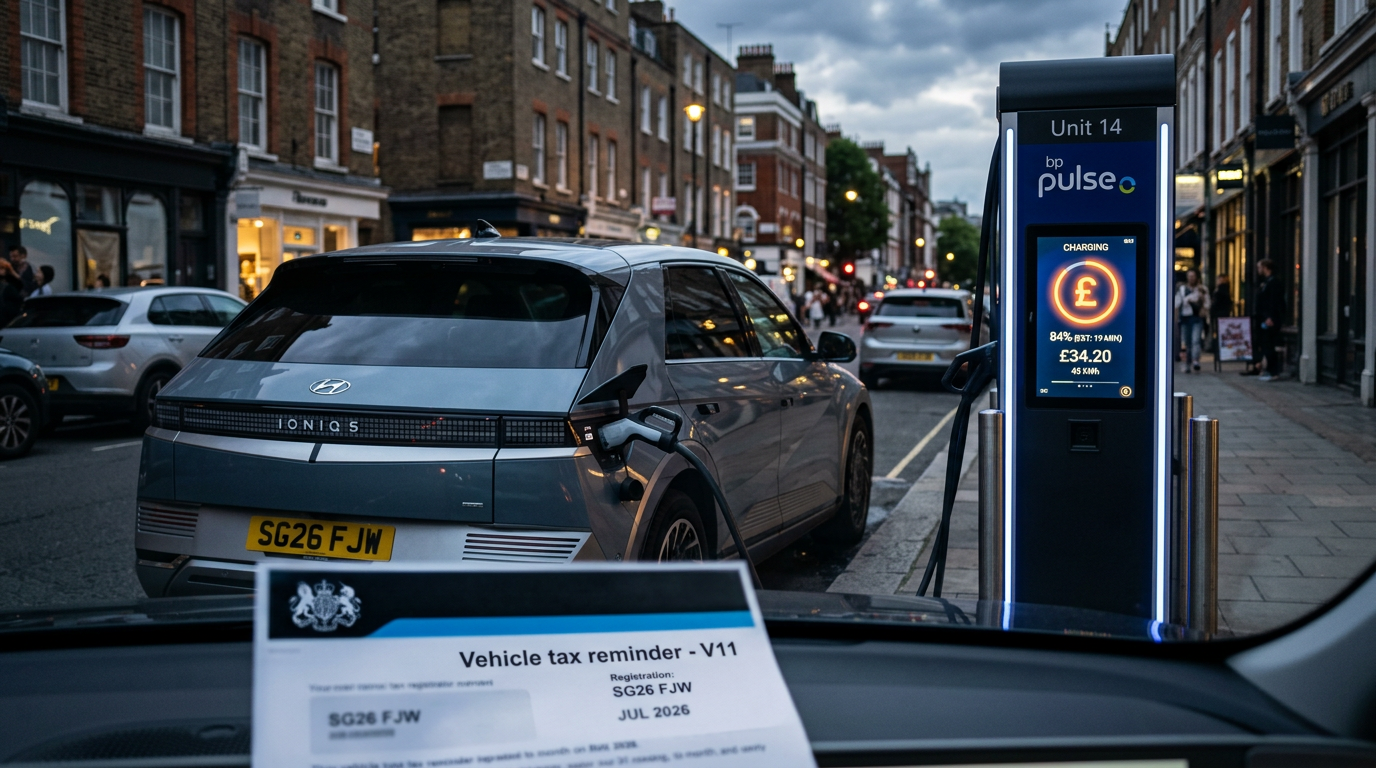
Since the dawn of the mass-market electric vehicle (EV), UK motorists have enjoyed a 'Golden Era' of tax exemptions. For years, driving an EV meant paying £0 in Vehicle Excise Duty (VED), more commonly known as road tax. However, the clock is ticking.
As of April 2025, the exemption ended, but 2026 is the year many used car buyers will feel the sharpest sting. Why? Because the 'Expensive Car Supplement' is no longer exclusive to thirsty petrol and diesel SUVs. It is now a reality for thousands of electric vehicles on the secondhand market.
In this guide, we explore the 2026 VED cliff, how to check if your used EV will trigger a massive tax bill, and how CarsLink.ai can help you navigate the changing costs of ownership.
Understanding the 2026 VED Framework
From April 2025, the UK government unified the VED system. All zero-emission cars registered on or after 1 April 2017 now pay the standard annual rate. For the 2026/27 tax year, this is expected to track with inflation, likely landing around £190–£200 per year.
However, the real financial trap lies in the Expensive Car Supplement.
The £40,000 Threshold Explained
If a car has a list price of more than £40,000 when new, the owner must pay a supplementary tax for five years, starting from the second time the vehicle is taxed.
- The Supplement Cost: Currently £410 per year (on top of the standard rate).
- Total Annual Bill: Roughly £600 per year.
While this previously hit Range Rovers and BMW 5 Series, the higher manufacturing costs of EVs mean that even 'mainstream' electric cars like the Tesla Model 3, Hyundai IONIQ 5, and Kia EV6 often exceed this £40k threshold.
The Used EV Trap: 2026 the Year of Impact
Why is 2026 the 'cliff' year? Because the used market is currently being flooded with three-year-old EVs coming off their initial PCP and PCH finance cycles.
A buyer in 2026 looking at a 2023 Tesla Model 3 might see a tempting sticker price of £22,000. However, because the original list price (the price of the car including options before any grants) was over £40,000, that used buyer is legally obligated to pay the £600 annual road tax until the vehicle is six years old.
How the 5-Year Supplement Period Works
The supplement applies for five years, beginning after the first year of registration.
| Year of Registration | Supplement Applies Until |
|---|---|
| 2022 | 2028 |
| 2023 | 2029 |
| 2024 | 2030 |
| 2025 | 2031 |
Which Popular EVs Trigger the Supplement?
It is a common misconception that only "luxury" cars trigger the tax. Because EV batteries are expensive, list prices have remained high. When browsing for your next car on CarsLink.ai, it is vital to check the original invoice value, not just the current used price.
| Make & Model | Typical 2023/24 List Price | Triggers £40k Supplement? |
|---|---|---|
| Tesla Model 3 RWD | ~£42,000 | Yes |
| MG4 EV (64kWh Trophy) | ~£32,500 | No |
| Hyundai IONIQ 5 | ~£43,000+ | Yes |
| Volkswagen ID.3 (Pro) | ~£37,000 | No (unless options added) |
| BMW i4 | ~£50,000+ | Yes |
| Kia EV6 | ~£45,000+ | Yes |
The "Optional Extra" Danger
The DVLA calculates the £40,000 threshold based on the list price at the time of first registration. This includes factory-fitted options. If a car had a base price of £39,500 but the original owner added metallic paint and a panoramic roof for £1,000, the car is now officially an "expensive car" for tax purposes. This data is tied to the V5C and the car's VIN.
2026 VED Checklist for Used Car Buyers
Before you sign a PCP agreement or hand over cash for a used EV in 2026, follow these steps to avoid a surprise £600 bill:
- Check the V5C: While the logbook doesn't always show the original list price, you can use the UK Government’s 'Check if a vehicle is taxed' service online.
- Verify the Original List Price: Don't guess. Use tools or ask the dealer specifically: "Was the list price of this vehicle, including all factory options, over £40,000?"
- Calculate the 'Remaining Years': If the car was registered in June 2023, you will be paying the supplement until June 2029.
- Factor it into your Budget: A £600 annual tax bill is roughly £50 a month. This can significantly alter the "fuel savings" argument for switching to electric.
What About Older EVs?
If you are buying an older EV (registered before 1 April 2017), the news is better. While these cars will still move from £0 tax to the standard rate (roughly £20/year for older EVs or the flat rate for others), they generally escape the expensive car supplement as the rules were different during their registration period.
Is the "Expensive Car Supplement" Fair for EVs?
There is ongoing lobbying from groups like the SMMT (Society of Motor Manufacturers and Traders) to raise the £40k threshold for electric vehicles. Critics argue that taxing cleaner cars at the same rate as luxury petrol cars disincentivises the used EV market.
However, as of May 2026, no such change has been implemented. The government stance remains that as EVs become the norm, they must contribute to the £7 billion a year lost in fuel duty and VED.
Conclusion: Shop Smart in 2026
The 2026 VED cliff doesn't mean you should avoid electric vehicles. EVs still offer significant savings through lower maintenance costs and cheaper home charging compared to petrol or diesel. However, the era of "free" road tax is firmly in the rearview mirror.
When researching your next purchase, use CarsLink.ai to compare total ownership costs. By understanding the VED implications of the £40,000 threshold, you can choose a model that fits your budget—without the nasty surprise from the DVLA.
Looking for a tax-efficient EV? Visit CarsLink.ai today to browse the latest listings and get expert valuation advice.