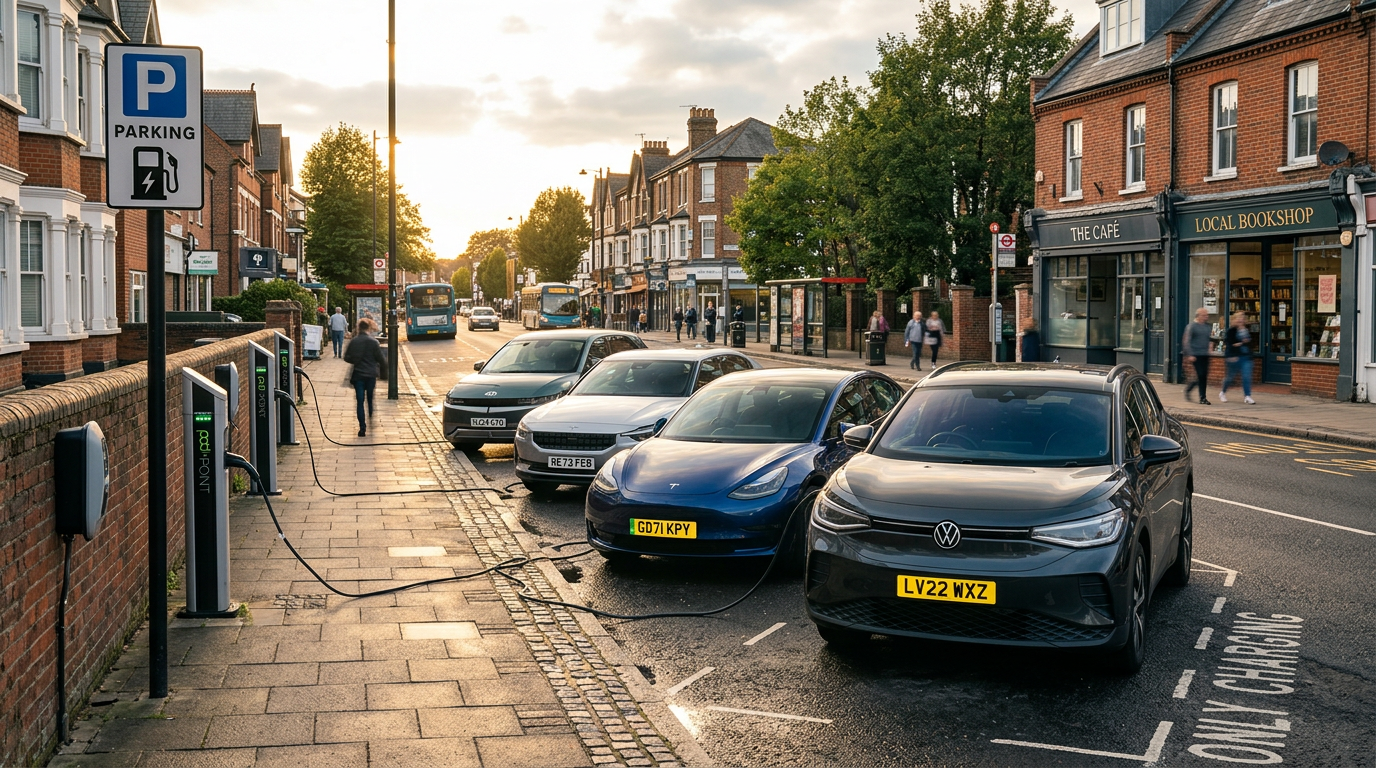
As of April 2026, the landscape of British motoring has undergone its most significant fiscal shift since the introduction of the modern CO2-based tax system. For over a decade, electric vehicle (EV) owners enjoyed a 'honeymoon period' of £0 Vehicle Excise Duty (VED), incentivising the transition away from internal combustion engines (ICE). However, that era is officially over.
Today, the DVLA has fully integrated electric cars into the standard VED framework. This change isn't just a minor administrative update; it fundamentally alters the Total Cost of Ownership (TCO) calculations for private buyers, fleet managers, and car dealers alike. Whether you are looking to purchase a used Tesla Model 3 or a new Vauxhall Corsa Electric via CarsLink.ai, understanding these new overheads is essential for budgeting in 2026.
Why Did the VED Rules Change?
The shift was driven by the inevitable: the UK’s soaring EV adoption rates. With electric cars now making up a massive share of the UK used and new car markets, the Treasury faced a multi-billion pound 'black hole' as fuel duty and VED receipts from petrol and diesel cars declined. By bringing EVs into the tax net, the government aims to ensure all motorists contribute to the upkeep of UK roads.
For 2026, the policy is simple: EVs are no longer exempt. They are now treated similarly to the cleanest petrol and diesel vehicles on the road, but with some specific caveats regarding the "Expensive Car Supplement."
Understanding the 2026 VED Rates for EVs
The new system divides EVs into two primary categories based on when they were first registered. This nuances the market for used car buyers significantly.
1. EVs Registered Between April 2017 and March 2025
If you are buying a used EV from this era, you will now pay the standard annual rate. For the 2026/27 tax year, this has been set to align with the lowest-emission petrol vehicles.
2. New EVs Registered After April 1, 2025
New EVs are subject to the same first-year (inaugural) rates and subsequent annual rates as other low-emission vehicles. While the first-year rate remains relatively low to encourage new sales (£10 for the 2026/27 period), it is the subsequent years that carry the weight.
The 2026/27 VED Cost Breakdown
| Vehicle Type | First Year Rate (2026/27) | Annual Standard Rate (Year 2+) |
|---|---|---|
| Electric Vehicles (EV) | £10 | £190 |
| Hybrid (AFV) | £10 - £30 | £180 |
| Petrol/Diesel (Low Emission) | £30 - £150 | £190 |
Note: Rates are subject to annual RPI adjustments by the DVLA.
The "Luxury Tax" Trap: The Expensive Car Supplement
The most significant impact on the 2026 EV market is the removal of the exemption from the Expensive Car Supplement. Previously, EVs with a list price of over £40,000 were exempt from this additional levy. As of 2026, that exemption is gone.
If an EV had a list price (including options) of over £40,000 when new, the owner must pay an additional supplement for five years, starting from the second time the vehicle is taxed.
- Standard Rate: £190
- Expensive Car Supplement: £410
- Total Annual Cost: £600
For buyers using CarsLink.ai to find premium models like the Audi Q8 e-tron, BMW i4, or even high-spec Hyundai IONIQ 6s, this £600 annual bill is a crucial factor to consider. It effectively triples the annual road tax for these vehicles compared to more budget-friendly electric hatchbacks.
Impact on Used Car Values and Dealer Stock
For traders and dealerships, the 2026 VED changes have created a two-tier used market.
- The Sub-£40k Market: Cars like the Nissan Leaf, MG4, and Fiat 500e remain highly attractive. Their annual tax of £190 is manageable and keeps the TCO significantly lower than ICE counterparts when factoring in cheaper home charging and lower maintenance.
- The Premium Market: Dealers are seeing more price sensitivity in the £35,000–£45,000 bracket. A car originally priced at £41,000 is now arguably less desirable on the used market than one priced at £39,000 due to that £410 annual "penalty." Traders must be diligent in checking the original list price on the V5C or through DVLA lookups to accurately advise customers.
How Electric Running Costs Compare in 2026
Despite the introduction of VED, is it still cheaper to run an EV in the UK? For most drivers, the answer remains a cautious "yes," but the gap is narrowing.
In addition to VED, EV owners should consider:
- Charging Costs: Public charging prices have stabilised in 2026, but the "pumps vs. plugs" debate is now more about where you charge. Off-peak home charging remains the gold standard for savings.
- Insurance Groups: EVs still tend to sit in higher insurance groups due to repair costs and specialist technician requirements.
- Maintenance: This remains the EV’s trump card. Fewer moving parts mean lower MOT failure rates and reduced servicing costs compared to aging internal combustion engines.
2026 Annual Cost Comparison (Estimated 10,000 miles/year)
| Cost Factor | Mid-Range EV (£35k spec) | Premium EV (>£40k spec) | Standard Petrol (Euro 6) |
|---|---|---|---|
| VED (Road Tax) | £190 | £600 | £190 |
| Fuel/Energy | £550 (Home Charge) | £650 (Home Charge) | £1,450 |
| Maintenance | £200 | £350 | £500 |
| Total Overhead | £940 | £1,600 | £2,140 |
Advice for EV Buyers in 2026
If you are in the market for an electric car, here is how to navigate the new tax regime:
- Verify the 'Original List Price': Don't just look at the price you are paying now. If the car cost over £40,000 when new (including factory-fitted extras), you are on the hook for the Expensive Car Supplement until the car is seven years old.
- Check the Registration Date: Vehicles registered before April 1, 2017, may follow different rules, though most modern EVs fall into the post-2017 or post-2025 categories.
- Factor in ULEZ and CAZs: While VED has gone up, EVs still offer 100% discounts in London’s ULEZ and various Clean Air Zones (CAZ) across Bristol, Birmingham, and Glasgow. For city commuters, this saving often offsets the VED increase in just a few weeks.
- Use AI Search Tools: Leverage platforms like CarsLink.ai to filter for specific models that fall below the luxury tax threshold. Our AI-driven search can help you identify "sweet spot" vehicles that offer premium range without the premium tax bracket.
The Future of Road Pricing
The 2026 VED changes are widely seen by industry experts as a stepping stone toward National Road Pricing. With VED now standardised, the next logical step for the government is a per-mile charging system to replace lost fuel duty revenue entirely. While not yet implemented, the infrastructure being built today—including mandatory OZEV-compliant smart chargers—suggests that how much we drive may soon be as important as what we drive.
Summary
The 2026 VED changes mark the "normalization" of the electric vehicle. While a £190 to £600 annual bill is a new reality for EV enthusiasts, the electric transition still offers significant savings in fuel and maintenance. For the shrewd buyer, the key is to look beyond the sticker price and calculate the five-year TCO, accounting for these DVLA updates.
Ready to find your next car? Whether you're looking for a tax-efficient commuter or a premium electric SUV, start your search with CarsLink.ai—the UK's smartest way to navigate the evolving used car market.
[Search for Value-Driven EVs on CarsLink.ai Today]