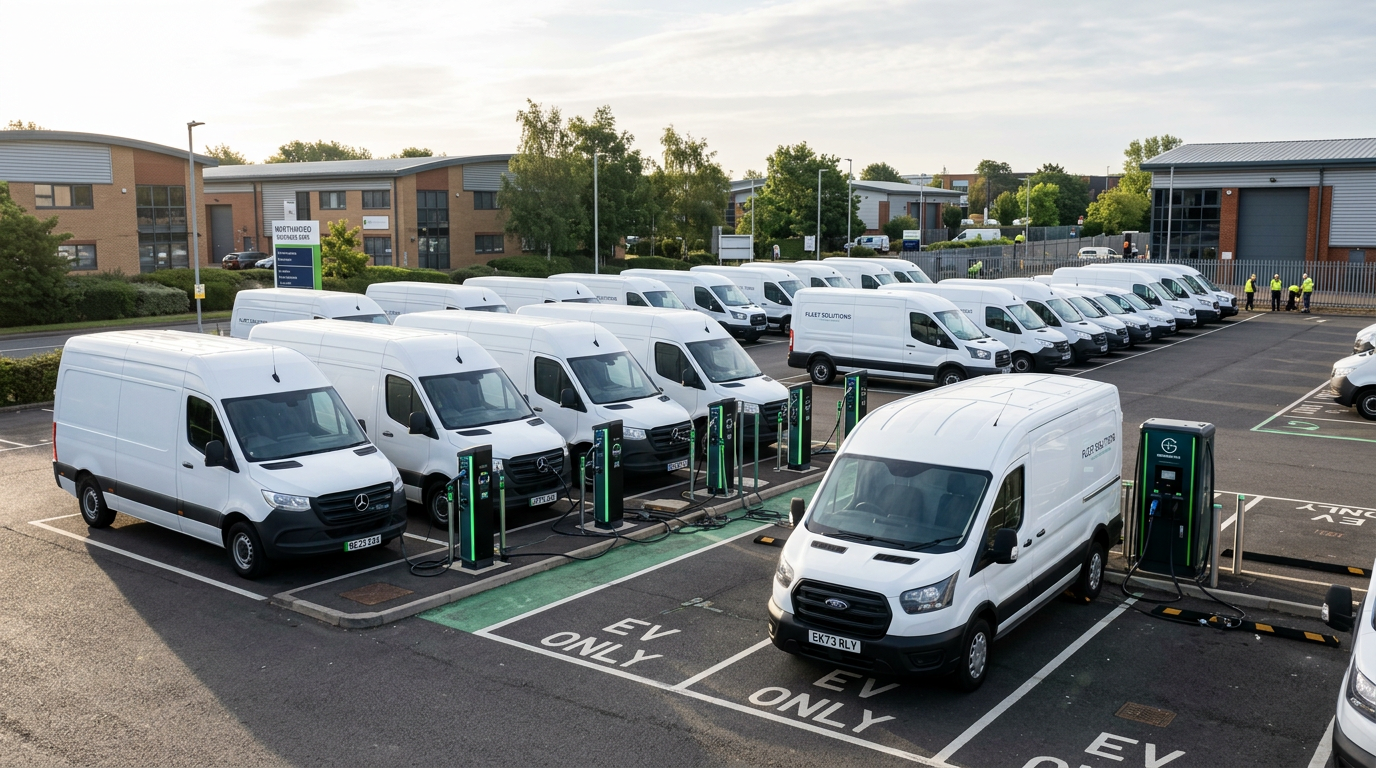
As we navigate through May 2026, the landscape for Light Commercial Vehicle (LCV) operators in the UK has undergone its most significant fiscal shift in a generation. For years, electric van adoption was incentivised by a 'zero-rated' Vehicle Excise Duty (VED). However, following the changes introduced in April 2025 and the subsequent 2026 updates, the playing field has leveled, fundamentally altering the total cost of ownership (TCO) calculations for fleets and sole traders alike.
Whether you are managing a fleet of long-wheelbase Sprinters or operating a single compact electric delivery van, staying ahead of van road tax 2026 updates is essential for your bottom line. At CarsLink.ai, we’ve analyzed the latest DVLA structures to help you navigate these rising costs.
The End of the 'Free Ride' for Electric Vans
The biggest headline for 2026 is the full integration of electric vehicles (EVs) into the standard VED system. Since April 2025, zero-emission vans have no longer been exempt from road tax.
For the 2026/27 tax year, most electric vans fall under the standard 'Flat Rate' for LCVs. This move was designed to ensure all road users contribute to highway maintenance as the UK moves toward the 2035 ban on new internal combustion engine (ICE) sales.
2026 Electric Van VED Rates
| Van Category | Annual VED (2026/27) |
|---|---|
| New EV Vans (First Year) | £10 |
| Standard Annual Rate (Year 2 onwards) | £335 |
| TC39 (Registered before April 2025) | £335 |
While EV van VED UK rates are now comparable to diesel, electric LCVs still benefit from significantly lower Benefit-in-Kind (BiK) rates and exemption from most Clean Air Zones (CAZ) and the London ULEZ, which remains a critical factor for urban operators.
Diesel and Petrol Van Tax Rates in 2026
For those operating Euro 6 diesel or petrol vans (categorised as TC39), the rates have seen an inflationary uptick. The government continues to use VED as a tool to encourage the transition to cleaner powertrains, though the "cliff edge" between diesel and electric VED has narrowed.
Comparison: Diesel vs. Electric Running Costs
For a standard 3.5-tonne Panel Van (MWB/LWB):
| Feature | Diesel (Euro 6d) | Electric (BEV) |
|---|---|---|
| Annual VED | £335 | £335 |
| ULEZ/CAZ Charges | Exempt (Euro 6) | Exempt |
| First Year Rate | £335 | £10 |
| AdBlue Costs | £150 - £300/year | £0 |
Note: Rates are subject to minor regional variations and specific gross vehicle weight (GVW) classifications.
The Impact of the 'Expensive Van' Supplement
A crucial point for 25/26 and 26/27 is the "Luxury Tax" or expensive vehicle supplement. While historically applied to cars, there has been ongoing debate regarding high-spec crew cabs and lifestyle pickups.
Currently, most N1-rated commercial vehicles escape the £410 supplement applied to cars costing over £40,000. However, if your vehicle is registered as an M1 (passenger vehicle)—often the case with high-end camper conversions or certain "lifestyle" double-cab pickups—you may face a total annual bill exceeding £700. Always check the V5C logbook for the "Category" field before purchasing.
Weight Limits and O-Licensing: The 4.25-Tonne Rule
One way the government is assisting the transition to electric is through weight limit derogations. Because batteries are heavy, a standard Category B (car) licence usually allowing up to 3.5t has been extended to 4.25 tonnes for electric vans.
However, from a tax and compliance perspective:
- O-Licence Requirements: If you operate a van over 3.5t (including EVs) for hire or reward internationally, you generally need a standard international goods vehicle operator’s licence.
- MOT Testing: Even though VED is now required for electric vans, they still follow the standard MOT timeline: your first test is due three years after registration.
ULEZ, LEZ, and Clean Air Zones in 2026
While UK van running costs are dominated by VED and fuel/energy, local emissions charges are the "stealth tax" of 2026.
- London ULEZ: Continues to charge non-compliant vans (pre-Euro 6 diesel) £12.50 per day.
- Scotland’s LEZs: Cities like Glasgow, Edinburgh, and Aberdeen now have strict "no-entry" zones for non-compliant vans rather than just daily charges.
- Zero Emission Zones (ZEZ): Several UK city centres are piloting ZEZs, where even Euro 6 diesels are charged, leaving only electric vans with free access.
Strategic Advice for Fleet Operators
With VED parity now a reality, how should you structure your fleet in 2026?
- Analyse Duty Cycles: If your daily mileage is under 150 miles, the electric van business tax benefits (specifically 0% BiK for employees and lower servicing costs) still outweigh the loss of the £0 VED perk.
- Check Your V5C: Ensure your vans are correctly taxed. Misclassifying a van as a car (or vice-versa) can lead to hefty back-tax fines from the DVLA.
- Utilise Data: Use tools on CarsLink.ai to compare the total cost of ownership across different fuel types. Our platform helps you factor in depreciation, which remains the largest cost for new electric vans in 2026.
- Bulk Taxing: If you manage a fleet, ensure your "Fleet Scheme" with the DVLA is updated to handle the new EV payments to avoid accidental SORN status for your electric fleet.
Summary
The 2026 VED changes mark the end of the "early adopter" era for electric vans. While paying £335 a year for a zero-emission vehicle may feel like a step backward, it reflects the maturity of the EV market. Electric vans remain the most cost-effective solution for urban logistics, especially when factoring in the exemption from daily congestion and emissions charges.
For the most up-to-date valuations and to find the most tax-efficient commercial vehicles for your business, visit CarsLink.ai. We provide the data-driven insights you need to keep your business moving in a changing regulatory environment.
Are you looking to upgrade your fleet? Search thousands of compliant LCVs and compare real-world running costs at CarsLink.ai today.