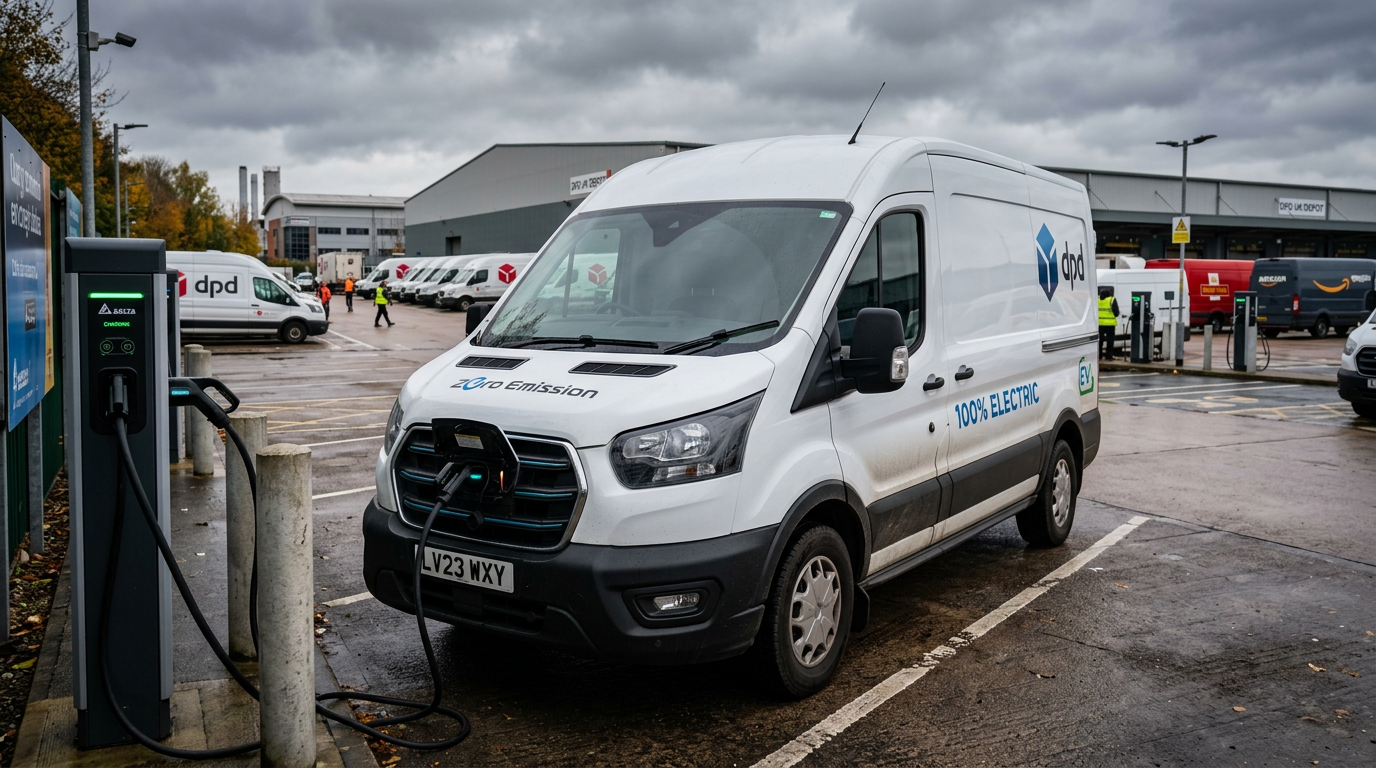
The landscape for UK fleet operators and sole traders is shifting. For the last decade, the transition to electric vans (e-LCVs) was lubricated by significant financial incentives, most notably the £0 Vehicle Excise Duty (VED)—commonly known as road tax.
However, as of April 2025, the honeymoon period ended, and as we move deeper into 2026, many van owners are seeing the first renewals of the new tax regime. Understanding Electric Van VED 2026 is no longer just about sustainability; it’s a critical line item in your total cost of ownership (TCO) calculations.
The Big Shift: From £0 to Parity
Until April 2025, electric vans were exempt from VED to encourage the uptake of zero-emission vehicles. Following the Autumn Statement changes, the UK government moved to "equalise" the tax system.
From 2026, owners of electric vans are required to pay the same flat rate of VED as petrol and diesel light goods vehicles (LGVs). This transition aims to ensure all road users contribute to the upkeep of the UK's infrastructure as the proportion of EVs on the road grows.
Current 2026 VED Rates for Vans
For the 2026/27 tax year, the standard rate for most light commercial vehicles (TC39 category) is aligned. Whether you are driving a Ford E-Transit, a Vauxhall Vivaro Electric, or a traditional diesel VW Transporter, you are likely looking at the following:
| Vehicle Type | Annual VED (Road Tax) |
|---|---|
| New Electric Vans (Registered post-April 2025) | £335* |
| Existing Electric Vans (Registered 2001–2025) | £335* |
| Standard Euro 6 Diesel/Petrol LCVs | £335* |
*Note: Rates are subject to standard inflationary increases (RPI) announced in the Spring Budget. Always check your V5C for the exact taxation class.
Beyond VED: The 2026 Commercial Vehicle Tax Landscape
While the loss of free road tax is a blow to the spreadsheet, it is important to view commercial vehicle tax in the UK holistically. Road tax is only one part of the fiscal puzzle.
Benefit-in-Kind (BIK) for Van Drivers
If you provide an electric van to an employee for private use, the Benefit-in-Kind tax remains significantly lower than for combustion engines. For 2026, the BIK rate for zero-emission vans remains at a fraction of the standard van benefit charge. This makes e-LCVs a formidable recruitment and retention tool for fleets.
ULEZ, CAZ, and LEZ Charges
While you might be paying £335 for your road tax, the saving on Clean Air Zones (CAZ) and the London Ultra Low Emission Zone (ULEZ) remains the killer app for electric vans.
- London ULEZ: £12.50 per day for non-compliant vans.
- Zero Emission Zones (ZEZ): Several UK cities are trialling "Zero Emission Only" streets where even Euro 6 diesels are charged, but EV vans enter free.
By using tools like CarsLink.ai, fleet managers can compare the long-term savings of electric vs. diesel, factoring in these daily charges which far outweigh the annual VED cost.
Payload vs. Tax: The 4.25-Tonne Concession
One of the most important developments for the 2026 van buyer is the "heavier van" loophole. Electric vans are inherently heavier due to battery weight. Normally, a vehicle over 3,500kg (3.5 tonnes) requires a Category C1 licence and an O-licence (Operator's Licence).
To support the transition, the DVLA allows Category B (car) licence holders to drive zero-emission vans up to 4,250kg (4.25 tonnes), provided they are used for goods and the driver has completed five hours of additional training.
- The VED Benefit: These 4.25t "heavy" electric vans are often still taxed as LGVs rather than HGVs, saving thousands in annual levies compared to a 7.5t truck.
- The Trade-off: While you get more load volume (m³) and payload, you must still adhere to MoT requirements and potential speed limiter regulations.
EV Van Running Costs in 2026: The New Reality
Is an electric van still worth it in 2026 now that the road tax is no longer free? Let's look at the numbers.
- Maintenance: e-LCVs have roughly 30% fewer moving parts. No oil changes, no DPF filters to clog during urban deliveries, and significantly less brake wear thanks to regenerative braking.
- Fuel vs. Electricity: Despite fluctuating energy prices, overnight "Smart" charging for fleets remains significantly cheaper per mile than diesel.
- Capital Allowances: Businesses can still claim 100% first-year capital allowances on new zero-emission vans. This means you can deduct the full cost of the van from your pre-tax profits in the year of purchase.
Navigating the V5C and Renewals
When you receive your V11 reminder from the DVLA in 2026, do not ignore it. The transition to paid VED for EVs means the system is automated; if you fail to pay, your van will be flagged by ANPR cameras immediately.
Ensure your V5C logbook is up to date with the correct address. For fleet operators managing multiple LWB or XLWB crew vans, using a digital management platform is essential to avoid fines. CarsLink.ai provides an intuitive interface for buyers to research the latest drivetrain tech and tax implications before committing to a lease or purchase.
Summary for Van Buyers and Fleet Operators
The era of "free" motoring for electric vans has ended, but the "value" era is just beginning. Even with a £335 annual VED bill, the electric van remains the most cost-effective solution for:
- Last-mile delivery in urban centres.
- Tradespeople operating within the M25 or major UK cities.
- Companies looking to offset corporate tax through capital allowances.
Key Takeaways for 2026:
- Prepare for Parity: Budget for the flat-rate LGV road tax for all electric vans.
- Leverage BIK: If you are a director or employee, the personal tax savings on an e-van remain substantial.
- Watch the Payload: If switching to 4.25t electric vans, ensure your drivers have the required training to stay legal under DVLA rules.
- Total Cost of Ownership: Don't let the VED change distract you from the huge savings on fuel and ULEZ charges.
Looking for your next van? Whether you need a compact SWB electric nipper or a heavy-duty XLWB Luton, CarsLink.ai helps you navigate the market with expert reviews and the latest data on UK commercial vehicle regulations. Check our latest listings and tax guides today to keep your business moving efficiently.