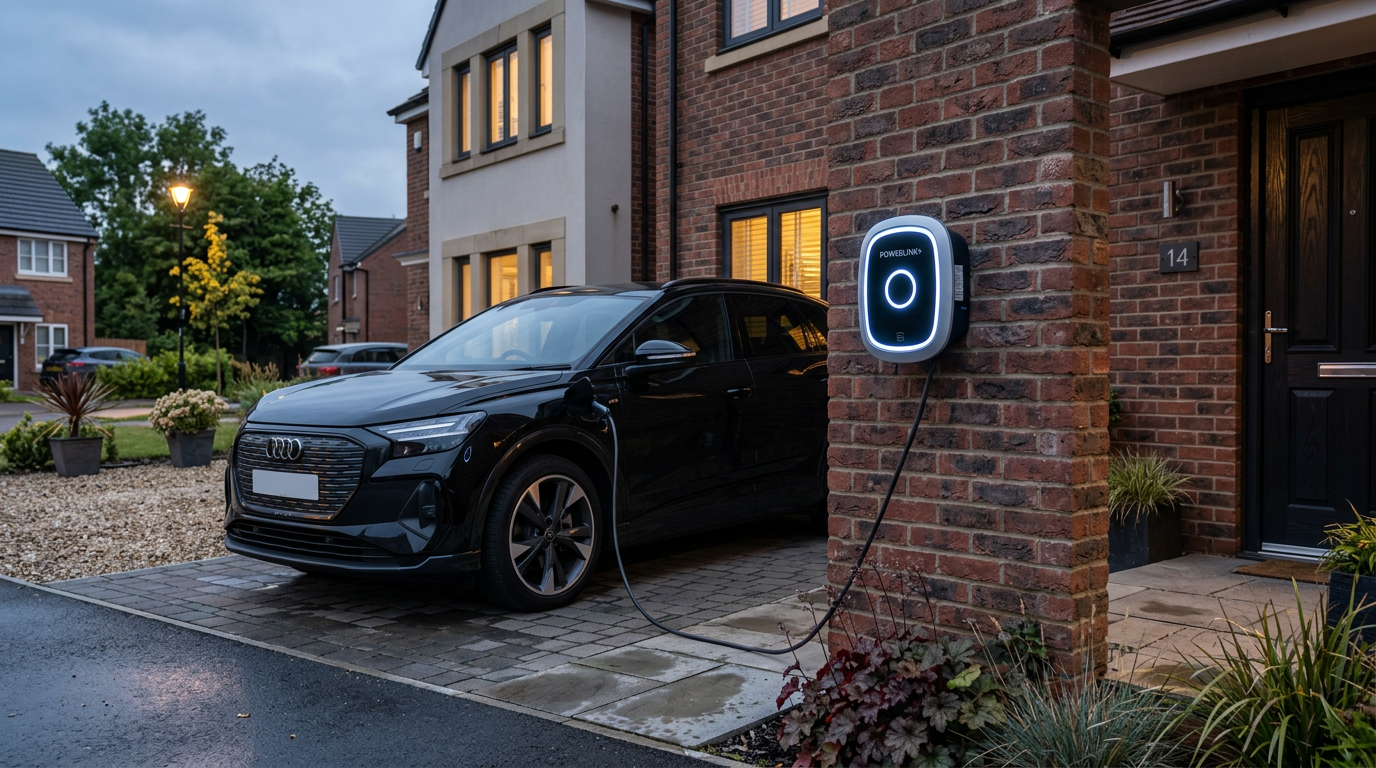
As we move through 2026, the UK’s energy landscape has shifted. Vehicle-to-Grid (V2G) technology, once a niche pilot project, is now a mainstream reality for thousands of British homeowners. By using your electric vehicle (EV) as a giant rolling battery, you aren’t just driving emission-free; you’re supporting the National Grid and slashing your energy bills.
However, a bi-directional charger is a far more complex piece of kit than the "dumb" wallboxes of the early 2020s. It manages high-voltage DC-to-AC conversion and constant communication with energy suppliers. To ensure your setup remains safe, efficient, and compliant with 2026 MOT rules and electrical standards, proactive maintenance is essential.
What is V2G Maintenance in 2026?
Unlike standard chargers, a V2G unit handles "cycling"—the constant flow of electricity both into and out of the car. This puts additional thermal stress on the internal inverters and the physical tethered cable. At CarsLink.ai, we’ve seen a rise in "handshake" errors where the car and charger fail to communicate, often due to neglected hardware.
Key Components to Monitor:
- The CCS2/CHAdeMO Connector: The pins in a V2G connector carry heavy loads for longer durations.
- The Inverter Cooling System: Bi-directional units generate heat during discharge. Ensure vents are clear.
- Software & Firmware: 2026 units require frequent security patches to prevent "grid-hacking" and to maintain compatibility with updated EV battery management systems.
Bi-Directional Charging Safety: The 2026 Standards
Safety is paramount when your car is essentially back-feeding your home’s consumer unit. Under current UK wiring regulations (BS 7671), V2G installations must feature dedicated RCD (Residual Current Device) protection.
Annual Safety Check-list
- Visual Inspection: Look for "browning" or heat discolouration around the plug pins. This indicates high resistance and a potential fire risk.
- Cable Integrity: V2G cables are often heavier. Check for kinks or "spiralling" which can degrade the internal shielding.
- The 'Handshake' Test: Ensure the locking mechanism engages instantly. If there is play in the socket, it can cause arcing.
How V2G Impacts Your 2026 MOT Rules and Warranty
A common concern in 2026 is whether V2G usage affects your car’s roadworthiness or warranty.
2026 MOT Rules Update: While the MOT doesn't currently test your home charger, it does now include more rigorous checks on the EV's charging port and battery health. Excessive "cycling" via a poorly maintained V2G unit can lead to premature battery degradation. If your battery health falls below a certain threshold, it may be flagged during the electronic diagnostic phase of the modern MOT.
| Component | Maintenance Frequency | Professional Service? |
|---|---|---|
| Firmware Updates | Monthly (Auto) | No |
| Connectors/Pins | Monthly (Visual) | No |
| RCD Testing | Every 6 Months | User/Competent Person |
| Professional Inspection | Every 24 Months | Yes (Qualified Electrician) |
Managing Your V5C and Insurance
When you install a V2G system, it is worth notifying your insurer. In 2026, many UK insurers offer "Smart Energy" discounts for homeowners who use V2G to stabilise the grid. Ensure your vehicle details on your V5C are up to date, particularly if you have replaced a battery pack—a more common occurrence in 2026 as older EVs are retrofitted for V2G compatibility.
Cost Savings: The Benefit of a Well-Maintained Unit
The financial incentive for EV home charging in the UK has never been higher. With dynamic pricing, a well-maintained V2G unit can earn a household between £400 and £800 annually by selling power back during peak shifts (typically 4 PM to 7 PM). However, a faulty unit that loses 5% efficiency due to heat or poor connectivity can wipe out these gains.
At CarsLink.ai, we recommend keeping a digital log of your unit’s discharge cycles. Most modern V2G apps now provide a "Health Score" for your home charging infrastructure.
Dealing with ULEZ and Future Zones
As London’s ULEZ and other UK Clean Air Zones become stricter in 2026, the secondary market for EVs is booming. If you are selling an EV that has been used primarily with V2G, transparency is key. Providing a maintenance record for your bi-directional charger proves to the buyer that the battery has been "balanced" and cared for, potentially increasing your resale value.
Troubleshooting Common 2026 V2G Issues
- "Grid Sync Failure": Usually caused by a Wi-Fi dropouts. Ensure your charger's signal is strong.
- Thermal Throttling: If the unit is in direct sunlight, it may slow down discharge speeds. In 2026, many owners are installing small solar-reflective shields over their units.
- Communication Errors: Often fixed by cleaning the data pins (the smaller pins above the main power terminals) with a dry contact cleaner.
Final Thoughts for UK EV Owners
Caring for a bi-directional charger is about more than just hardware; it’s about managing a vital part of the UK’s energy ecosystem. By following a simple maintenance routine, you protect your car’s battery, stay on the right side of 2026 MOT rules, and ensure your home remains a mini-power station for years to come.
Are you looking to upgrade to a V2G-compatible vehicle this year? Browse the latest high-tech EV listings on CarsLink.ai to find your perfect match.
Disclaimer: Always consult a certified OZEV-approved electrician for any internal repairs or wiring changes to your home charging setup.