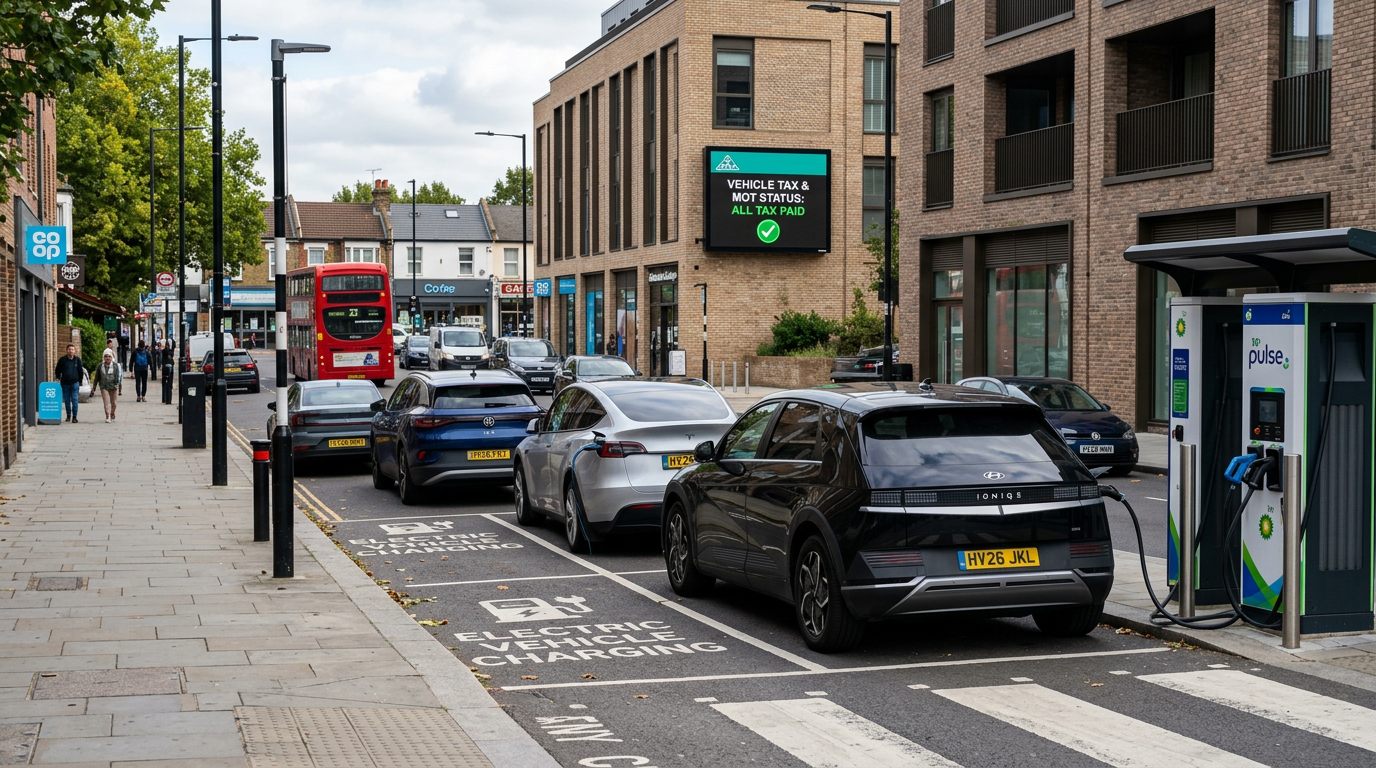
As we move into mid-2026, the landscape of UK motoring has undergone its most significant fiscal shift in a generation. For years, electric vehicle (EV) owners enjoyed a "free honeymoon" period regarding Vehicle Excise Duty (VED), but as of the April 2025 Finance Act—the effects of which are now being fully felt by drivers renewing in 2026—the rules of the game have changed.
Whether you are looking to buy a used petrol hatchback or a brand-new electric SUV, understanding the 2026 car tax rates is essential for calculating your total cost of ownership. At CarsLink.ai, we’ve analysed the latest DVLA data to bring you this definitive guide to navigating road tax in 2026.
The End of the £0 EV Era: 2026 EV VED Road Tax
The most significant change for 2026 remains the integration of Electric Vehicles into the standard VED framework. Gone are the days when a 'zero-emission' sticker on your V5C meant a £0 tax bill.
New EV Tax Rules
- First-Year Rate: New EVs registered from April 2025 onwards now pay the lowest first-year rate (currently £10), designed to maintain a small incentive for new buyers compared to internal combustion engine (ICE) vehicles.
- Standard Rate: From the second year of registration onwards, all EVs—including those registered as far back as 2001—now pay the Standard Rate. For the 2026/27 tax year, this sits at £190 per annum (subject to minor inflationary adjustments).
The "Luxury Car" Sting for EVs
Perhaps the most painful realization for 2026 EV owners is the Expensive Car Supplement. Previously, EVs were exempt from the additional surcharge on vehicles with a list price over £40,000.
Now, if your EV was registered after April 1, 2025, and had a list price (including options) of over £40,000, you must pay an additional £410 per year for five years (from the second year of registration). This brings the annual tax bill for many popular EVs, like the Tesla Model 3 or Hyundai IONIQ 6, to approximately £600 per year.
Petrol and Diesel VED Rates in 2026
For internal combustion engine (ICE) and hybrid vehicles, the 2026 rates continue to follow the CO2 emission bands established in 2017, but with updated pricing reflecting recent budgets.
Standard Rates (Year 2 Onwards)
Most petrol and diesel cars registered after April 2017 now fall into a flat standard rate.
| Vehicle Type | Annual Standard Rate (2026/27 Est.) |
|---|---|
| Petrol / Diesel | £190 |
| Alternative Fuel (Hybrids/LPG) | £180 |
| Electric Vehicles | £190 |
First-Year "Green" Rates
When buying a brand-new car in 2026, the first-year rate is heavily weighted toward emissions. This is designed to nudge buyers toward lower-emission hybrids or full EVs.
| CO2 Emissions (g/km) | First Year Rate (Petrol/Diesel) |
|---|---|
| 0 | £10 |
| 1 - 50 | £30 |
| 51 - 75 | £35 |
| 76 - 90 | £135 |
| 91 - 100 | £175 |
| 101 - 110 | £195 |
| 111 - 130 | £220 |
| 131 - 150 | £270 |
| 151 - 170 | £680 |
| 171 - 190 | £1,095 |
| 191 - 225 | £1,650 |
| 226 - 255 | £2,340 |
| Over 255 | £2,745 |
Managing UK Car Running Costs in 2026
With insurance premiums and VED rates rising, managing your car budget requires a more clinical approach. Here is how to keep costs down:
- Check the V5C List Price: Many buyers overlook the "Expensive Car Supplement." Even if you buy a used 2025/26 car for £30,000, if its original list price was over £40,000, you are still liable for the £410 surcharge until the car is seven years old.
- Monthly Direct Debits: The DVLA offers a monthly payment plan. While it costs about 5% more than paying annually, it can help cash flow, especially if you are managing a PCP or HP agreement alongside your tax.
- The Pre-2017 Sweet Spot: If you are looking to minimize VED, some cars registered between 2001 and March 2017 with CO2 emissions under 100g/km still technically qualify for £0 or very low tax, though the government has flagged these for potential future reviews.
ULEZ and Low Emission Zones
In 2026, VED is only half the battle. If you drive in London, Birmingham, Bristol, or Glasgow, ensuring your vehicle is ULEZ/LEZ compliant is vital. Most petrol cars post-2006 and diesels post-2015 meet the criteria. However, as local authorities tighten restrictions, even some early Euro 6 diesels are facing scrutiny. Using tools like CarsLink.ai can help you filter for vehicles that aren't just tax-efficient but zone-compliant too.
Frequently Asked Questions (FAQ)
Does my 2026 EV need an MOT?
Yes. The MOT rules haven't changed. Once your EV reaches three years of age, it requires an annual MOT test to ensure roadworthiness, despite having fewer moving parts than a petrol car.
I have a classic car; do I pay the new rates?
Vehicles over 40 years old (moved on a rolling basis) remain exempt from VED under the 'historic vehicle' tax class. For 2026, this applies to vehicles built before January 1, 1986. You must still apply for the exemption via the DVLA.
How do I refund my car tax?
If you sell your car or trade it in through CarsLink.ai, the DVLA will automatically issue a refund for any full remaining months of tax once the V5C transfer is processed. Remember: tax no longer "follows the car" to the new owner.
Final Thoughts for 2026 Drivers
The 2026 tax year marks the moment the UK officially transitioned to a "tech-neutral" taxation system. While EVs no longer offer the tax-free incentives of the early 2020s, they still represent a significant saving in terms of "fuel" costs per mile and lower maintenance.
Whether you're sticking with internal combustion or making the leap to electric, do your homework on the original list price and CO2 bracket of your next vehicle.
Ready to find your next tax-efficient car? Browse the latest listings and expert valuations at CarsLink.ai today.