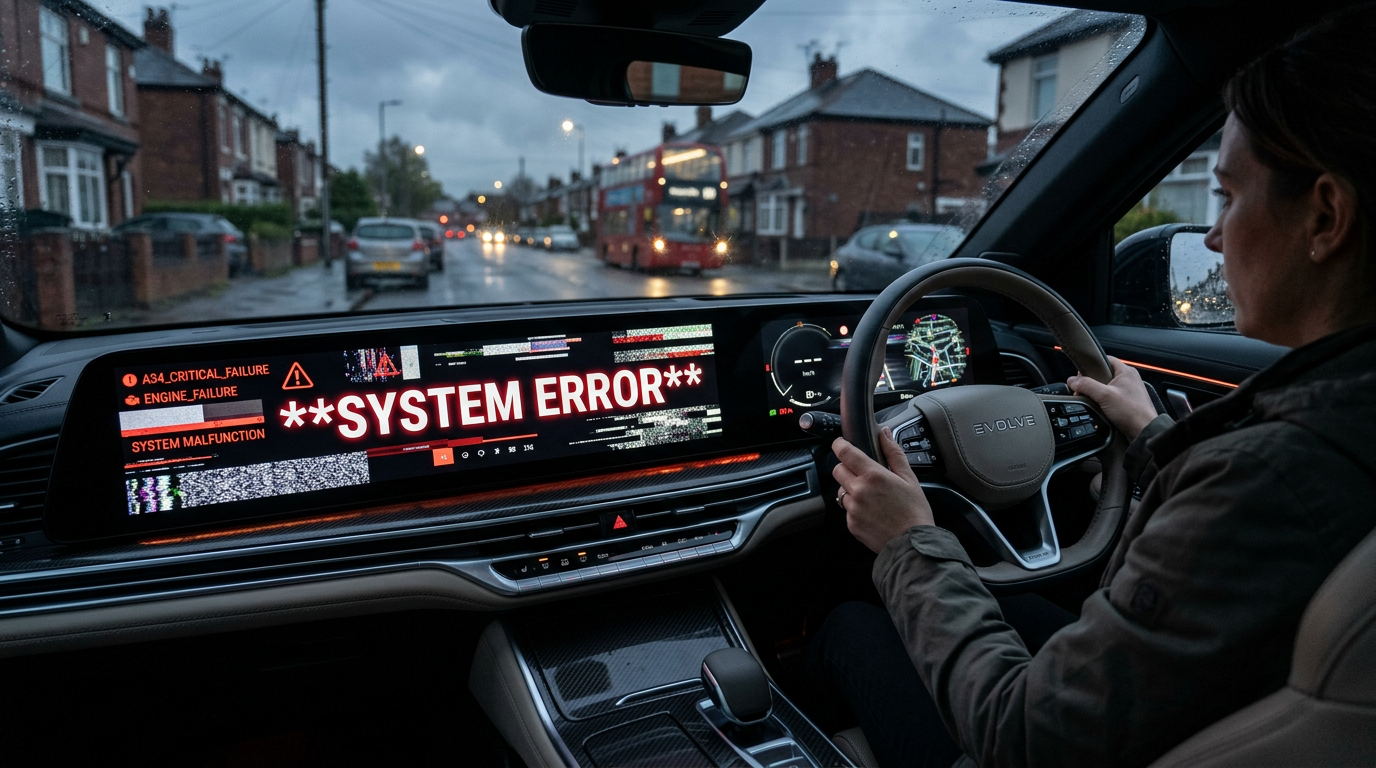
In 2026, a car is no longer just a collection of mechanical gears and pistons; it is a mobile supercomputer. With the UK’s transition toward electric vehicles (EVs) and advanced driver-assistance systems (ADAS), software has become as critical to your safety and mobility as the engine or battery.
However, as software complexity increases, so do the bugs. From flickering infotainment screens and frozen GPS units to more serious phantom braking or total system blackouts, "digital faults" are now among the most common complaints for UK car buyers.
If you have purchased a vehicle in 2026 and the screen is glitching or the software is failing, you are protected by the Consumer Rights Act 2015 (CRA 2015). This guide outlines how the law treats code exactly the same as a physical car part.
Your Rights as a Buyer: The CRA 2015 Framework
When you buy a car from a professional trader, the Consumer Rights Act 2015 implies three fundamental terms into your contract. The vehicle must be:
- Of Satisfactory Quality: It must meet the standard a reasonable person would expect, taking into account the price, age, and description. In 2026, a "satisfactory" car should not have a dashboard that regularly crashes.
- Fit for Purpose: If you told the dealer you needed the car for a specific purpose (e.g., long-distance commuting requiring reliable GPS), and that system fails, it is not fit for purpose.
- As Described: If the car was advertised with "Seamless Cloud Integration" or "Level 2 Autonomy" and those features do not work due to software bugs, the car does not match its description.
The Digital Content Distinction
Under the CRA 2015, software is often categorised as "Digital Content." However, because the software is integrated into the vehicle, any fault in the infotainment or ECU (Engine Control Unit) is treated as a fault in the goods themselves. This gives you powerful leverage when seeking a refund or repair.
The Statutory Timeframes
- The 30-Day Short-Term Right to Reject: If a software fault appears within the first 30 days of delivery, you have a legal right to reject the car and demand a full refund. You do not have to give the dealer a chance to "re-flash" or update the software if you choose to exercise this right immediately.
- The 6-Month Rule (The Burden of Proof): If a glitch appears after 30 days but before 6 months, the law assumes the fault was present at the time of delivery. The dealer must prove the software was perfect when they sold it—a very difficult task for them to achieve.
- After 6 Months: You can still claim for software faults up to 6 years after purchase (5 years in Scotland), but the burden of proof shifts to you. You must prove the fault was inherent or that the software was "not durable."
Dealer and Trader Obligations
Under the CRA 2015 and the Consumer Protection from Unfair Trading Regulations 2008 (CPRs), car dealers have specific legal responsibilities regarding the digital health of the vehicles they sell.
1. Mandatory Disclosure
Dealers must not omit "material information." If a dealer knows a specific model has a known "OTA" (Over-The-Air) update bug that causes the screen to black out, they must disclose this. Failure to do so could be considered an unfair commercial practice.
2. The "One Opportunity" Rule
If you are past the 30-day window, you must give the dealer one opportunity to repair the fault. In the world of software, this usually involves a firmware update or replacing a faulty hardware module (like the MMI or Infotainment head unit).
- If that one repair attempt fails, or if the update takes an unreasonable amount of time or causes significant inconvenience, you regain the right to reject the car for a final right to reject (a refund minus a deduction for the mileage you have covered).
3. Responsibility for "As-is" Software
A common dealer defence is: "We didn't write the software, the manufacturer did." Legally, this is irrelevant. Your contract is with the seller, not the manufacturer. Under the CRA 2015, the dealer is responsible for ensuring the "goods" (the car and its software) are of satisfactory quality. If the software is buggy, the dealer owes you the remedy.
Managing Software Faults in 2026: A Step-by-Step Guide
1. Document the Glitch
Software faults are often "intermittent" (the dreaded "no fault found" at the garage). Use your smartphone to record videos of the screen flickering, freezing, or any error messages appearing on the driver’s binnacle.
2. Check for Safety Implications
Is the glitch just annoying (radio station changing) or dangerous (speedometer disappearing, 360-degree cameras failing during parking)? If the fault affects the Road Traffic Act 1988 requirements—such as a working speedometer or clear visibility—the car may be technically unroadworthy, which significantly strengthens your case for a full refund.
3. Invoke Section 75 (If Applicable)
If you paid even a £1 deposit for the car on a credit card (for a total purchase price between £100 and £30,000), you have "Joint and Several Liability" protection under Section 75 of the Consumer Credit Act 1974. This means you can hold your credit card provider equally liable for the software breach of contract.
4. Voluntary Termination (PCP/HP)
If the software faults make you lose confidence in the car and you are on a finance agreement, you may have the right to "Voluntarily Terminate" under Section 99 of the Consumer Credit Act 1974, provided you have paid 50% of the total amount payable. However, using the CRA 2015 to reject the car for a fault is usually a better financial outcome than VT.
Key Takeaways
- Software is Goods: The CRA 2015 treats a "glitchy screen" the same as a "leaky sunroof."
- 30-Day Window: Act fast. Your strongest right (the Right to Reject) is easiest to use in the first 30 days.
- One Chance to Repair: After 30 days, the dealer gets one attempt to fix the software. If the "Update" doesn't work, you can ask for your money back.
- Document Everything: Video evidence is essential for software faults that "disappear" when you arrive at the dealership.
- Standard of Quality: In 2026, a modern car's digital interface is considered a core component of its "satisfactory quality."
Important Disclaimer
This article is provided for general informational purposes only and does not constitute legal advice. Laws regarding consumer rights can be complex and are subject to change. If you are involved in a legal dispute, you should consult a qualified legal professional or contact Citizens Advice. CarsLink.ai is not responsible for any actions taken based on this information.