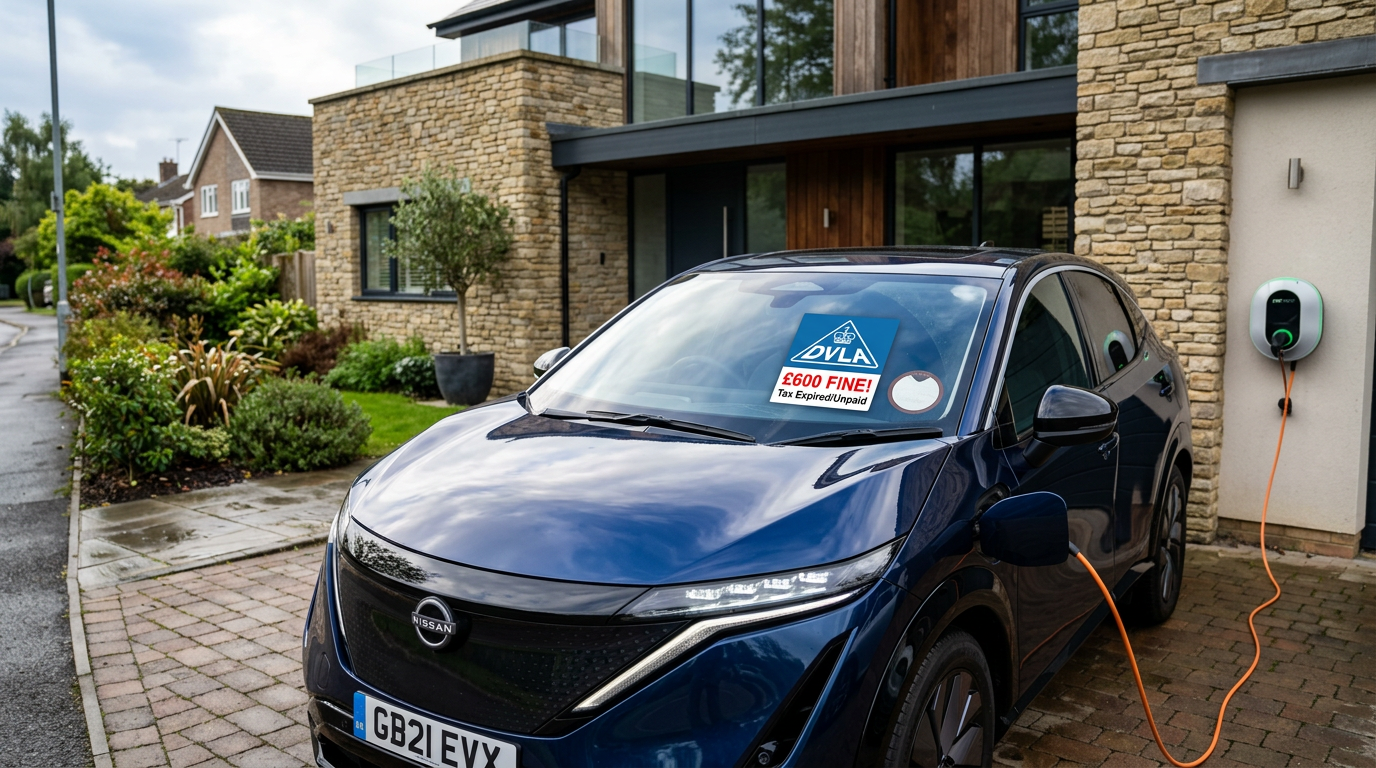
The golden era of 'free' motoring for electric vehicle (EV) owners is officially over. As we move through May 2026, many UK drivers are waking up to a stark reality: the car they bought to save on running costs is now attracting a premium tax bill once reserved for Ferraris and Bentleys.
At the heart of this fiscal shift is the 'Expensive Car Supplement', a secondary layer of Vehicle Excise Duty (VED) that has caught thousands of mid-range EV owners in a costly net. Here is everything you need to know about navigating the 2026 car tax landscape and why your 'sensible' family SUV might now be classified as a luxury item by the DVLA.
The End of Zero-Rate VED
Since April 2025, the exemption for EVs has been a thing of the past. For 2026, all electric vehicles registered after April 2017 are now subject to the standard annual rate of road tax.
For the 2026/27 tax year, the standard rate currently sits at £190 per annum (subject to RPI adjustment). While this was expected, it is the secondary "wealth tax" that is causing the most friction in the used and new car markets.
The 'Sneaky' Luxury Tax Explained
The Expensive Car Supplement is an additional charge for cars with a list price of over £40,000. This isn't based on what you paid after a discount or what your monthly PCP payment is; it is based on the manufacturer's recommended retail price (RRP) at the time of first registration, including optional extras.
When this rule was first introduced, £40,000 was the territory of high-end BMWs and Range Rovers. However, in 2026, with the average price of a new electric SUV hovering between £42,000 and £55,000, "luxury" has effectively become "entry-level" for many families.
What You Will Pay in 2026
If your EV had a list price of over £40,000, you are liable for the supplement for five years, starting from the second time the vehicle is taxed.
| Tax Type | Annual Cost (2026/27 Estimate) | Duration |
|---|---|---|
| Standard VED Rate | £190 | Every Year |
| Expensive Car Supplement | £410 | Years 2 to 6 |
| Total Annual Bill | £600 | For 5 Years |
This means a popular family car like a Tesla Model Y, a high-spec Kia EV6, or even a Volkswagen ID.4 with a few options ticked, now commands a £600 annual tax bill. Compared to the £0 bill these cars enjoyed just two years ago, it is a significant increase in the cost of ownership.
Why Mid-Range EVs are the Target
The "sneaky" nature of this tax lies in the fact that many buyers didn't anticipate the £40,000 threshold remaining static while car prices surged. Inflation and the high cost of battery technology have pushed "normal" cars into the "luxury" bracket.
At CarsLink.ai, we are seeing a shift in consumer behavior. Data suggests that 2026 buyers are increasingly looking for "sub-40k" trim levels to avoid this five-year penalty. However, as manufacturers add more safety tech and range to meet UK regulations, finding a long-range EV under that magic threshold is becoming increasingly difficult.
How to Check if You’re Liable
Before you commit to a purchase on the used market, or if you’re looking at your V11 reminder from the DVLA, keep these points in mind:
- Check the V5C: Your logbook won't tell you the original list price, but you can use the DVLA's online vehicle enquiry service to check the 'effective' tax rate.
- Options Matter: If the base car was £39,000 but the original owner added £1,500 worth of metallic paint and 20-inch alloys, the car is taxed as a £40,500 vehicle.
- The Six-Year Rule: The supplement applies from the second year the car is taxed until the end of the sixth year. In the seventh year, the rate drops back down to the standard £190.
Impact on PCP and Leasing
For those on Personal Contract Purchase (PCP) or Long-term Lease (PCH), the tax is often rolled into the monthly payment or handled by the leasing company. However, the 2026 rates have forced many providers to hike monthly costs. If you are renewing a lease this year, ensure you ask if the "Expensive Car Supplement" is factored into your quote, or you could face an unexpected bill.
Are there any Exemptions?
As of May 2026, very few road-going vehicles escape the tax man.
- Disabled Tax Class: If you receive certain mobility benefits, you may still be eligible for a reduction or exemption.
- Historic Vehicles: Cars older than 40 years remain exempt, though this is of little comfort to those wanting a modern, green commuter.
- Commercial Vehicles: Electric vans currently operate under different tax structures, making them an attractive alternative for some small business owners.
The CarsLink.ai Verdict: A Changing Market
The 2026 car tax rates represent a fundamental shift in the UK’s transition to electric. The government is no longer incentivizing the switch through VED; they are now looking to recover the billions lost from declining fuel duty and previous tax exemptions.
For buyers, the strategy is now clear: Knowledge is power. If you are shopping for a mid-range EV, you must factor an additional £3,000 into your six-year budget if the list price crosses that £40,000 line.
At CarsLink.ai, we recommend always checking the original "P11D" value of any used EV before signing the transfer on the V5C. What looks like a bargain used buy could have a hidden "luxury" sting in its tail.
Thinking of upgrading to a tax-efficient EV? Use CarsLink.ai to compare the latest models and find out which vehicles stay under the £40k threshold for 2026.