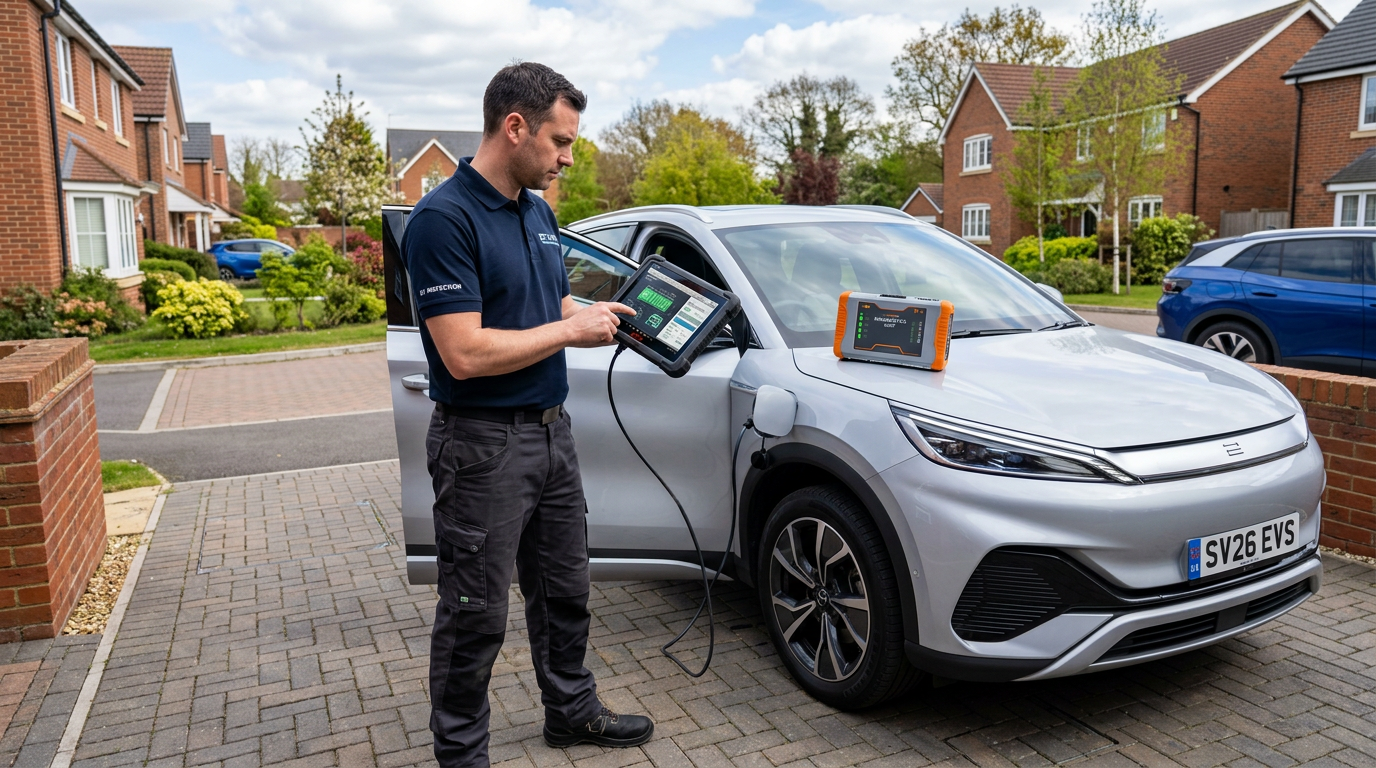
Navigating the 2026 Leasing Landscape
As we move further into 2026, personal contract hire (PCH) and personal contract purchase (PCP) remain the dominant ways for UK motorists to access new vehicles—particularly with the surge in high-value Electric Vehicles (EVs). However, the end of a lease contract can be a source of significant "bill shock" if you aren't prepared for the inspection process.
Whether you are returning a sleek 2023 Tesla or a brand-new 2026 hybrid, understanding the UK car leasing rules 2026 is essential to protecting your wallet. At CarsLink.ai, we’ve seen a 15% rise in end-of-contract disputes over the last year, mostly due to a misunderstanding of what constitutes "fair wear and tear."
PCH vs PCP 2026: The Return Difference
While both involve monthly payments, the stakes at the end of the term differ:
- Personal Contract Hire (PCH): You must return the car. There is no option to buy, meaning the finance company’s inspection is final. Every scratch or milestone over the limit has a direct financial penalty.
- Personal Contract Purchase (PCP): You have the choice to pay the "balloon" payment (Guaranteed Minimum Future Value) or hand it back. If you choose to hand it back, you face the same strict return standards as a PCH.
| Feature | PCH (Lease) | PCP (Purchase Option) |
|---|---|---|
| Ownership | Never yours | Optional at the end |
| Return Fees | Mandatory if damaged | Only if you don't buy the car |
| Mileage Penalties | Usually 8p–30p per mile | Usually 8p–30p per mile |
| VAT | Included in monthly price | Included in monthly price |
Understanding BVRLA Fair Wear and Tear 2026
The British Vehicle Rental and Leasing Association (BVRLA) sets the industry standard for what is acceptable damage after three or four years. In 2026, these standards have been updated to reflect new vehicle technologies, such as Advanced Driver Assistance Systems (ADAS) and large touchscreen interfaces.
What is Acceptable?
- Thin Scratches: Surface scratches up to 25mm (provided the primer isn't showing).
- Small Chips: Minor peppering on the bonnet.
- Tyres: Must be at least the legal limit (1.6mm), though most leasing companies prefer 2mm for safety.
- Interior: Light staining from "normal" use that can be removed by a professional valet.
What Will You Be Charged For?
- Alloy Wheels: Scuffs over 50mm or any damage to the "diamond cut" finish that requires a full CNC lathe repair.
- Windscreen Chips: Any chips in the "Zone A" (drivers field of vision) or cracks anywhere.
- Technology Failures: Cracked infotainment screens or sensors that have been displaced by minor bumper knocks.
- Missing Items: Both sets of keys, the V5C logbook, the charging cable (for EVs), and the parcel shelf.
The EV Factor: New Penalties for 2026
With the UK's ZEV mandate pushing more drivers into electric cars, 2026 return inspections now focus heavily on battery health and charging equipment.
- Charging Cables: A missing Type 2 or 3-pin "granny" cable can cost between £200 and £500 to replace through a dealer. Always ensure these are in the boot.
- Battery Health: While "degradation" is generally considered wear and tear, physical damage to the battery casing (from driving over high kerbs) is a major repair bill.
- Tyre Wear: EVs are heavier and have high instant torque, meaning they wear through tyres faster. Ensure your tyres are legal before the inspector arrives.
Top Car Lease Return Tips to Save Thousands
To avoid a "de-rehire" invoice that can easily top £1,000, follow this CarsLink.ai checklist 10–12 weeks before your contract ends.
1. The "Clean and Inspect" Strategy
Wash the car thoroughly and inspect it on a dry day in natural light. Walk around the vehicle and look at every panel from different angles. Use a credit card as a guide; generally, if a scratch is longer than a credit card, it’s a penalty.
2. Check Your ADAS Calibration
In 2026, many cars feature cameras behind the rearview mirror for autonomous braking. If you’ve had a cheap windscreen replacement that wasn't calibrated, the car may be rejected or a fee applied to re-calibrate the safety systems.
3. SMART Repairs vs. Main Dealer
Small Medium Area Repair Technology (SMART) repairs for minor dents and alloy scuffs are often 50% cheaper than the penalty fees charged by leasing companies. However, ensure the repair comes with a certificate of quality.
4. Servicing and MOT
Ensure the service book is up to date. Missing a single scheduled service can devalue a modern vehicle significantly. If your car is 3 years old, it will need its first MOT. If the car is returned with an expired MOT, you can face an immediate fine from the finance house and potentially a DVLA penalty.
Dealing with Excess Mileage
The most common penalty in 2026 is excess mileage. If your contract was for 10,000 miles a year and you return it at 35,000 miles after three years, you are 5,000 miles over.
- Calculate early: If you see you’re going over, contact your provider. Some companies allow you to "re-map" your contract mid-term, which is often cheaper than paying the end-of-contract pence-per-mile rate.
- Pence per mile: Rates in 2026 typically range from 10p to 25p per mile. A 5,000-mile surplus at 15p is a £750 charge.
What Happens on Collection Day?
On the day of collection, a representative from an inspection company (like BCA or Manheim) will examine the car.
- Don't hide damage: They are professionals; they will find it.
- Sign the report with caution: If you disagree with a noted "damage," write "DISPUTED" next to that item on the digital handheld device before signing.
- Take photos: Take high-resolution photos of every panel, the dashboard (showing mileage and no warning lights), and the tyre treads as the driver is loading the car. This is your evidence if they claim damage occurred during transit to the auction yard.
Conclusion
Leasing remains one of the most cost-effective ways to drive a modern, ULEZ-compliant, and safe vehicle in the UK. By staying ahead of the BVRLA fair wear and tear 2026 standards and performing your own audit three months before the end of the term, you can ensure a stress-free transition to your next vehicle.
Are you looking for your next lease or trying to value your current PCP car? Visit CarsLink.ai for the latest market insights and to find the best deals on 2026 models.
Don't let a small scratch turn into a big bill—plan your return today.