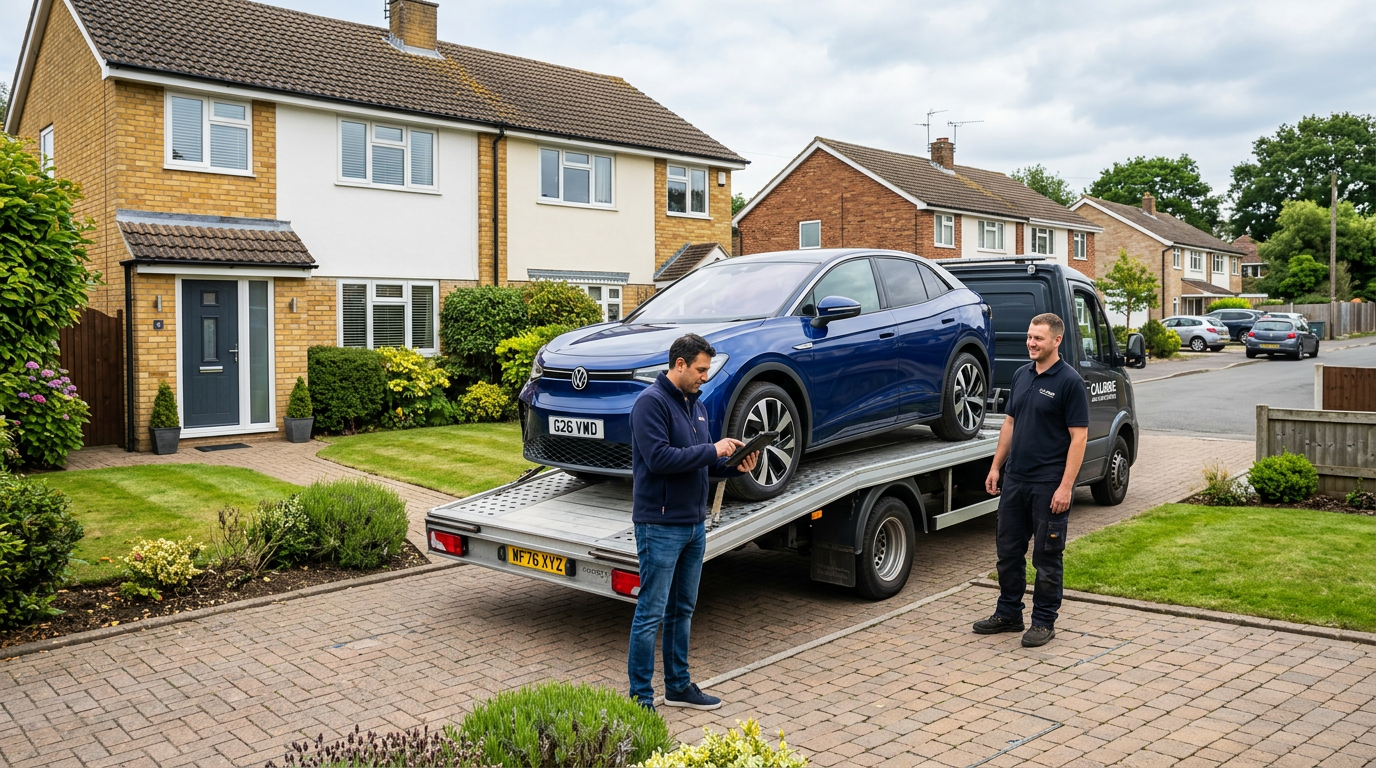
The landscape of UK car buying has shifted dramatically. In 2026, click-and-collect and home delivery are no longer "alternative" methods; for many, they are the primary way to purchase a vehicle. Whether you are buying a nearly-new EV or a petrol classic from across the country, buying "unseen" introduces a specific layer of legal complexity.
When you buy a car without physically inspecting it at the dealership first, you are protected by a robust framework of UK legislation. Understanding the interplay between the Consumer Rights Act 2015 (CRA 2015) and the Consumer Contracts (Information, Cancellation and Additional Charges) Regulations 2013 is essential to ensuring you aren't left holding the keys to a lemon.
Buyer Rights: Your Protections for Remote Purchases
Buying a car remotely provides you with more protection than buying in person, primarily because you haven't had the opportunity to touch, smell, or test-drive the vehicle before the contract is formed.
1. The Statutory "Right to Reject" (Short-term)
Under the Consumer Rights Act 2015, every vehicle sold by a trader must be:
- Of satisfactory quality: It should be what a reasonable person would expect, considering the age, price, and mileage.
- Fit for purpose: Any specific purpose you made known to the dealer must be met.
- As described: The car must match the advert, photos, and verbal descriptions provided.
If the car delivered to your driveway fails any of these three criteria, you have a "Short-term Right to Reject" for a full refund within the first 30 days of delivery. In a remote purchase, this is your nuclear option if the car arrives with undisclosed damage or mechanical faults.
2. The 14-Day "Cooling Off" Period
This is the "super-power" of remote buying. Under the Consumer Contracts Regulations 2013 (often referred to as Distance Selling rules), if the entire transaction took place away from the business premises (online or over the phone), you generally have a statutory right to cancel the contract for any reason—even if you just don't like the colour.
You have 14 days from the day of delivery to notify the dealer of your intent to cancel. You then have a further 14 days to return the car. Note that dealers are entitled to deduct value for "excessive handling"—usually defined as driving the car beyond what would be reasonable for a test drive at a dealership (typically 20–50 miles).
3. Protection via Section 75 and Section 99
If you used finance to purchase the car, the Consumer Credit Act 1974 offers additional safety nets:
- Section 75: If you paid even a deposit (between £100 and £30,000) on a credit card, the card provider is jointly and severally liable for any breach of contract or misrepresentation.
- Section 99 (Voluntary Termination): While not specific to remote buying, this allows you to end a PCP or HP agreement once you have paid 50% of the total amount payable, which is a vital safety valve if your financial circumstances change post-delivery.
Dealer/Trader Obligations: What They Must Do
Transacting remotely places a higher burden of transparency on the motor trader. Failure to meet these obligations can actually extend your rights as a consumer.
1. Information Disclosure (CPRs 2008)
Under the Consumer Protection from Unfair Trading Regulations 2008 (CPRs), traders must not omit "material information" that might cause a consumer to make a different decision. For a remote sale, this means they must proactively disclose:
- Any known mechanical issues or structural damage.
- The accurate service history.
- The number of previous owners.
- Complete details of any admin fees or delivery charges.
2. Written Confirmation of Cancellation Rights
The dealer is legally required to provide you with a written notice of your 14-day right to cancel under the Distance Selling rules. Crucially, if the trader fails to provide you with this information, your right to cancel can be extended by up to 12 months.
3. Delivery and Risk
Under the CRA 2015, the goods remain at the trader’s risk until they come into the physical possession of the consumer. This means if the car is damaged by the transport company during transit to your house, it is the dealer's legal responsibility to rectify it, not yours.
4. Resolving Disputes (The "One Repair" Rule)
If a fault develops after the first 30 days but within the first six months, the CRA 2015 dictates that the dealer has one opportunity to repair or replace the vehicle. If that repair fails, or is not completed within a reasonable time, you then have the "Final Right to Reject" or the right to a price reduction. In the first six months, the "burden of proof" is on the dealer to prove the fault was not there at the time of delivery.
Key Takeaways for 2026 Remote Buyers
- Log Everything: Take screenshots of the original advert and save all email correspondence.
- The 30-Day Window: If the car isn't "as described," act immediately. The CRA 2015 30-day window is a strict deadline for a full refund.
- Check the "Distance": Ensure the deal was truly a "distance contract." If you visited the showroom to sign the paperwork and then had it delivered, you might lose the 14-day cooling-off period.
- The "One Repair" Rule: After 30 days, the dealer gets one (and only one) chance to fix a fault before you can demand your money back.
- Inspect on Delivery: When the truck arrives, do not sign the delivery note until you have inspected the bodywork and interior against the advert.
Final Advice
While the law is on your side, exercising these rights can be a logistical headache. Always opt for reputable dealers with clear "Money Back Guarantees" that mirror or exceed the Consumer Contracts Regulations 2013.
If a dealer refuses to acknowledge their obligations under the CRA 2015, your next steps are usually a formal Letter Before Action, followed by a claim through the Financial Ombudsman Service (if financed) or the Small Claims Court.
Disclaimer: This article is intended for general informational purposes only and does not constitute legal advice. Laws regarding consumer rights can change, and their application depends on the specific facts of your case. For legal advice, please consult a qualified legal professional or contact Citizens Advice.