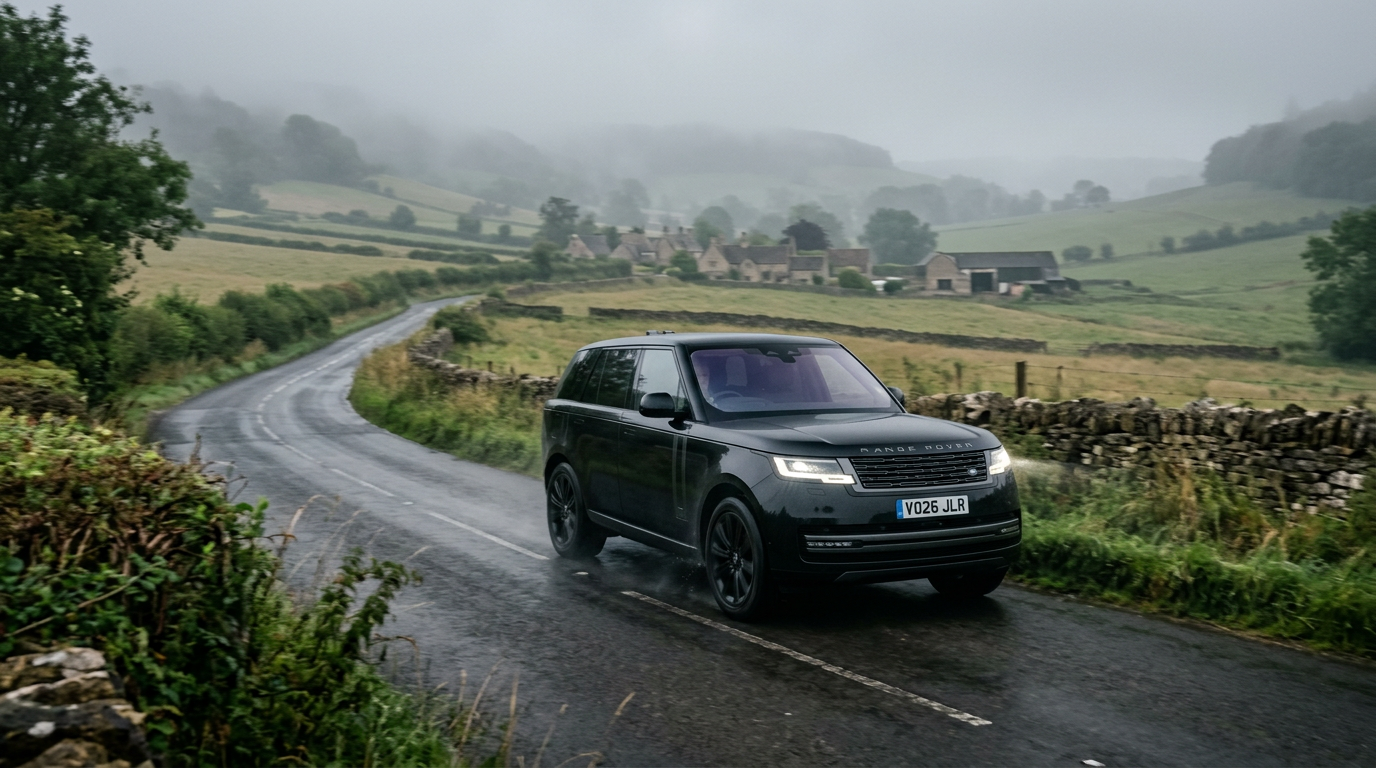
As we move through the first quarter of 2026, the UK automotive landscape has reached a pivotal turning point. The streets of Chelsea, the rural lanes of the Cotswolds, and the bypasses of Manchester are all witnessing a silent revolution. While the Jaguar Land Rover (JLR) group has teased the vision for years, the Range Rover Electric (RRE) is finally here, asserting its dominance in a market now flooded with high-end EV competition.
For the British car buyer, this isn't just another battery-powered SUV; it is the electrified evolution of a national icon. But does it truly maintain the "go anywhere" ethos while ditching the internal combustion engine? Let’s dive into the specifics of why this vehicle is currently the most talked-about car on CarsLink.ai.
The Architecture of Silent Luxury
The 2026 Range Rover Electric is built on the flexible Modular Longitudinal Architecture (MLA-Flex). Unlike some competitors who rushed to build "EV-only" platforms that compromised on ruggedness, Land Rover’s approach allows for the legendary off-road hardware to coexist with a massive 100kWh+ battery pack.
What sets the 2026 model apart is the 800V charging architecture. In 2024, we were happy with 150kW charging; in 2026, the RRE supports ultra-rapid charging up to 270kW. If you find a Gridserve or IONITY station on the M1, you can add 100 miles of range in just under 12 minutes.
Performance and Range at a Glance
| Feature | Specification (2026 Model) |
|---|---|
| Battery Capacity | 105 kWh (Usable) |
| WLTP Range | Up to 345 miles |
| 0-60 mph | 4.4 seconds |
| Top Speed | 130 mph |
| Max DC Charging | 270 kW |
| Towing Capacity | 3,500 kg |
Driving Dynamics: The "Whiff" of Excellence
One of the biggest concerns for traditionalists was whether an electric motor could replicate the effortless torque of the old V8. Having tested the RRE through the Scottish Highlands, the answer is a resounding yes. The instant delivery of 600bhp+ makes this 2.8-tonne behemoth feel surprisingly light on its feet.
More importantly for UK drivers navigating narrow B-roads, the four-wheel steering (standard on the Electric trim) makes the Range Rover feel more like an Evoque when parking or performing a U-turn in a tight London street.
Luxury and Sustainability: A New Interior Standard
In 2026, luxury is no longer just about how many cows were used for the upholstery. Land Rover has leaned heavily into "Materiality." While semi-aniline leather remains an option, the "Ultrafabrics" and Kvadrat wool blends are the real stars—offering a premium feel that is arguably more durable and certainly more modern.
The Pivi Pro infotainment system has evolved into its "Gen 3" iteration for 2026. It now features predictive AI that pre-conditions the battery based on your calendar appointments and integrates seamlessly with UK-specific EV charging apps, showing real-time availability of chargers across the BP Pulse and Shell Recharge networks.
UK Road Tax and Benefit-in-Kind (BiK)
For the fleet manager or the business owner, the fiscal benefits remain the strongest selling point. Despite the changes to VED (Vehicle Excise Duty) that began in 2025, the Range Rover Electric still offers significant savings over its PHEV and P615 Petrol counterparts.
- BiK Rate (2026/27): Currently set at 5%, making it an incredibly tax-efficient choice for directors compared to the 37% rate of high-emission SUVs.
- ULEZ & Clean Air Zones: With more UK cities (including Bristol, Birmingham, and Glasgow) tightening their emissions zones in 2026, the RRE provides total future-proofing.
Off-Roading: Still a Land Rover?
The Range Rover Electric features a unique "Terrain Response EV" system. Because electric motors can control torque to each wheel with millisecond precision—far faster than a mechanical locking differential—the RRE is actually better off-road than its predecessors.
It retains a 900mm wading depth, matching the Defender. Whether you're navigating a flooded lane in Somerset or a muddy track in North Wales, the lack of an exhaust system and air intake means there’s less to worry about when the water gets deep.
Competitive Landscape: How Does It Compare?
The luxury EV SUV market is more crowded than ever. Here is how the 2026 Range Rover Electric stacks up against its primary rivals found on the UK market.
| Model | Range (WLTP) | UK Starting Price | Cargo Space (L) |
|---|---|---|---|
| Range Rover Electric | 345 miles | £155,000 | 812L |
| BMW iX M60 | 348 miles | £125,000 | 500L |
| Mercedes EQS SUV | 365 miles | £130,000 | 645L |
| Lotus Eletre | 370 miles | £90,000 | 611L |
While the Range Rover carries a premium price tag, its residual values (GMFV) remain the highest in the sector. Dealers and traders using CarsLink.ai have noted that the RRE holds roughly 65% of its value after three years, significantly outperforming the EQS SUV.
The Dealer’s Perspective: Should You Stock It?
For traders, the 2026 Range Rover Electric is a "hero car." Demand currently outstrips supply, with lead times for new factory orders still hovering around 9-12 months. This means "nearly-new" models are fetching premiums on the secondary market. If you are looking to source high-margin stock, focusing on the HSE and Autobiography trims with the 23-inch forged wheels is the safest bet for a quick turnaround.
Conclusion: The Ultimate Statement Piece
The 2026 Range Rover Electric is more than just a car; it’s a statement of intent. It proves that you don’t have to sacrifice heritage for high-tech, or luxury for sustainability. It is, without question, the new king of luxury SUVs in the UK.
Whether you are looking for a brand-new factory order or searching for one of the first approved-used examples to hit the market, you can find the best deals by using the AI-driven smart filters on CarsLink.ai.
Ready to make the switch to electric luxury? [Search current Range Rover Electric listings on CarsLink.ai today] and discover how the 2026 model year is redefining the British driving experience.,excerpt: