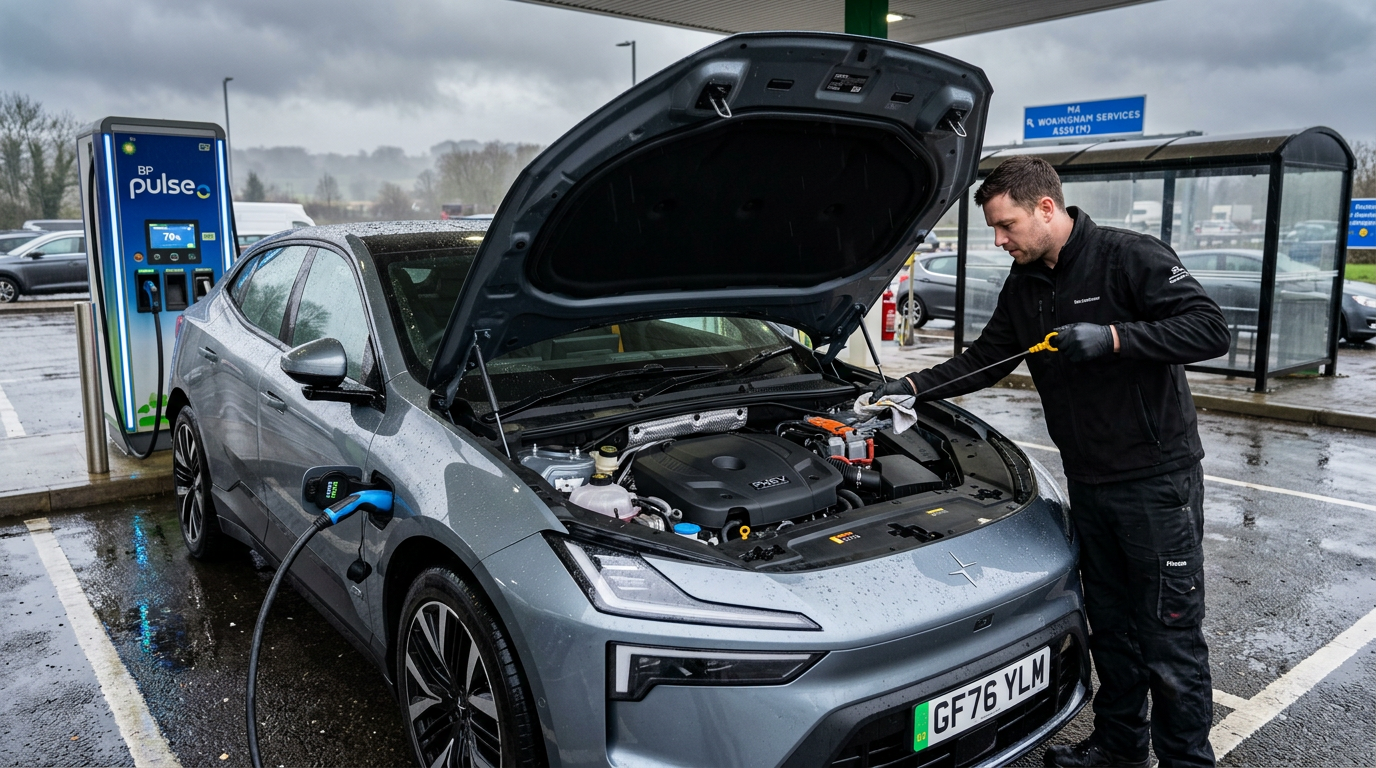
As we move further into 2026, the UK’s transition toward electrification is in full swing. Plug-in Hybrid Electric Vehicles (PHEVs) have become the go-to choice for drivers who want the benefits of an EV for the daily commute without the range anxiety of a full battery electric vehicle (BEV). However, as these vehicles age and the technology matures, a specific mechanical challenge has come to the forefront: engine oil dilution.
At CarsLink.ai, we’ve seen a rise in queries regarding PHEV reliability. While these vehicles are remarkably efficient, the way we drive them in 2026—often relying heavily on "EV Mode"—can inadvertently lead to engine wear if not managed correctly.
In this guide, we explore why oil dilution happens in hybrids and provide essential maintenance tips to keep your PHEV running smoothly.
What is PHEV Engine Oil Dilution?
Engine oil dilution occurs when unburnt fuel (petrol) bypasses the piston rings and enters the engine’s oil sump. In a traditional Internal Combustion Engine (ICE) car, this isn't usually a major problem because the engine reaches a high enough operating temperature to evaporate the fuel out of the oil.
However, PHEVs operate differently. Because the electric motor does the heavy lifting, the petrol engine often runs for short bursts—perhaps only for a few seconds when merging onto a motorway or climbing a steep hill. If the engine never reaches its optimal operating temperature, the fuel remains trapped in the oil.
The Risks of Diluted Oil
When petrol mixes with oil, it lowers the oil's viscosity (thickness). This leads to:
- Reduced lubrication: Increased friction on vital engine components.
- Accelerated wear: Potential damage to bearings and cylinder walls.
- Corrosion: Fuel can introduce acidic byproducts that degrade engine surfaces.
- Moisture buildup: Without heat, condensation also collects in the oil, further reducing its effectiveness.
5 Essential Tips to Prevent Oil Dilution in 2026
Preventing oil dilution is largely about changing how you interact with your vehicle's drive modes. Follow these steps to ensure your hybrid car care remains top-tier.
1. Avoid Constant "Short-Burst" Engine Use
One of the main culprits of oil dilution is the "cold start-stop" cycle. If your commute is 5 miles and you drive it almost entirely in EV mode, but the engine kicks in for 30 seconds at a junction, that petrol engine is running at its least efficient and coolest state.
The Fix: If you know you will need the petrol engine during a journey, consider using "Hybrid Mode" or "Battery Hold" from the start. This allows the engine to reach a stable operating temperature early in the trip, allowing any fuel in the sump to evaporate naturally.
2. The "Monthly Heat Cycle"
Even if your PHEV battery maintenance is perfect and you manage to drive 100% on electric power for weeks, your engine still needs attention.
CarsLink.ai Recommendation: Once a month, take your PHEV on a longer motorway journey (20+ miles) using only the petrol engine (Save/Charge mode). This ensures the oil reaches a sustained temperature of roughly 90°C–100°C, effectively "boiling off" any accumulated petrol or moisture.
3. Stick to "Severe Service" Maintenance Intervals
The UK's DVLA and manufacturer handbooks often suggest long service intervals (e.g., 18,000 miles or 2 years). However, for a PHEV used primarily for short city trips, this is often too long.
| Driving Style | Recommended Oil Change |
|---|---|
| Primarily Motorway/Hybrid | 12 Months / 12,000 Miles |
| Primarily Urban/EV Mode | 6-9 Months / 8,000 Miles |
| Frequent Cold Starts | 6 Months / 5,000 Miles |
4. Use the Correct Low-Viscosity Oil
Modern 2026 PHEVs often require ultra-thin oils, such as 0W-8 or 0W-12. These oils are designed to flow instantly during a cold start to protect the engine when it suddenly kicks in at 70mph. Never compromise on oil quality; ensure the oil meets the specific manufacturer specification (e.g., VW 508.00 or Ford WSS-M2C952-A1).
5. Monitor Your V5C and Warranty Requirements
With the 2026 MOT regulations becoming stricter on emissions, an engine suffering from oil dilution may struggle to pass the smoke and particulates test. Furthermore, if you are on a PCP or HP finance agreement, failing to adhere to strict service intervals can result in a breach of contract or "excess wear and tear" charges when you return the car.
Maximising EV Mode Efficiency Without Damaging the Engine
While we want to protect the engine, the goal of owning a PHEV is to maximise EV mode efficiency. To balance the two:
- Pre-heat the cabin: Use the vehicle’s app (while plugged in) to heat the cabin. This prevents the engine from firing up just to generate heat for the heater core.
- Smooth Acceleration: Rapidly flooring the throttle often triggers the petrol engine. Use a light foot to stay within the "Electric" zone of your power meter.
- Tyre Pressures: Keep your tyres at the recommended PSI. Higher rolling resistance forces the engine to intervene more often to assist the motor.
Detecting Oil Dilution: The "Sniff Test"
As a PHEV owner, you should regularly check your dipstick (if your car has one—some 2026 models are digital-only).
- Check the level: If the oil level is rising over time, you have a dilution problem.
- The Smell: Take a sniff of the oil on the dipstick. If it has a distinct smell of petrol, it’s time for an oil change, regardless of the mileage.
Conclusion
The PHEVs of 2026 are marvels of engineering, but they require a slightly different mindset compared to the petrol cars of the past. By ensuring your engine gets a proper "workout" once a month and staying ahead of oil change intervals, you can avoid the costly repairs associated with oil dilution.
Are you looking to upgrade to a newer, more efficient model? Whether you’re browsing for your next vehicle or looking for the best trade-in value, CarsLink.ai provides the data-driven insights and listings you need to stay ahead of the curve in the UK’s evolving car market.
Maintain your hybrid, protect your investment, and enjoy the best of both worlds.