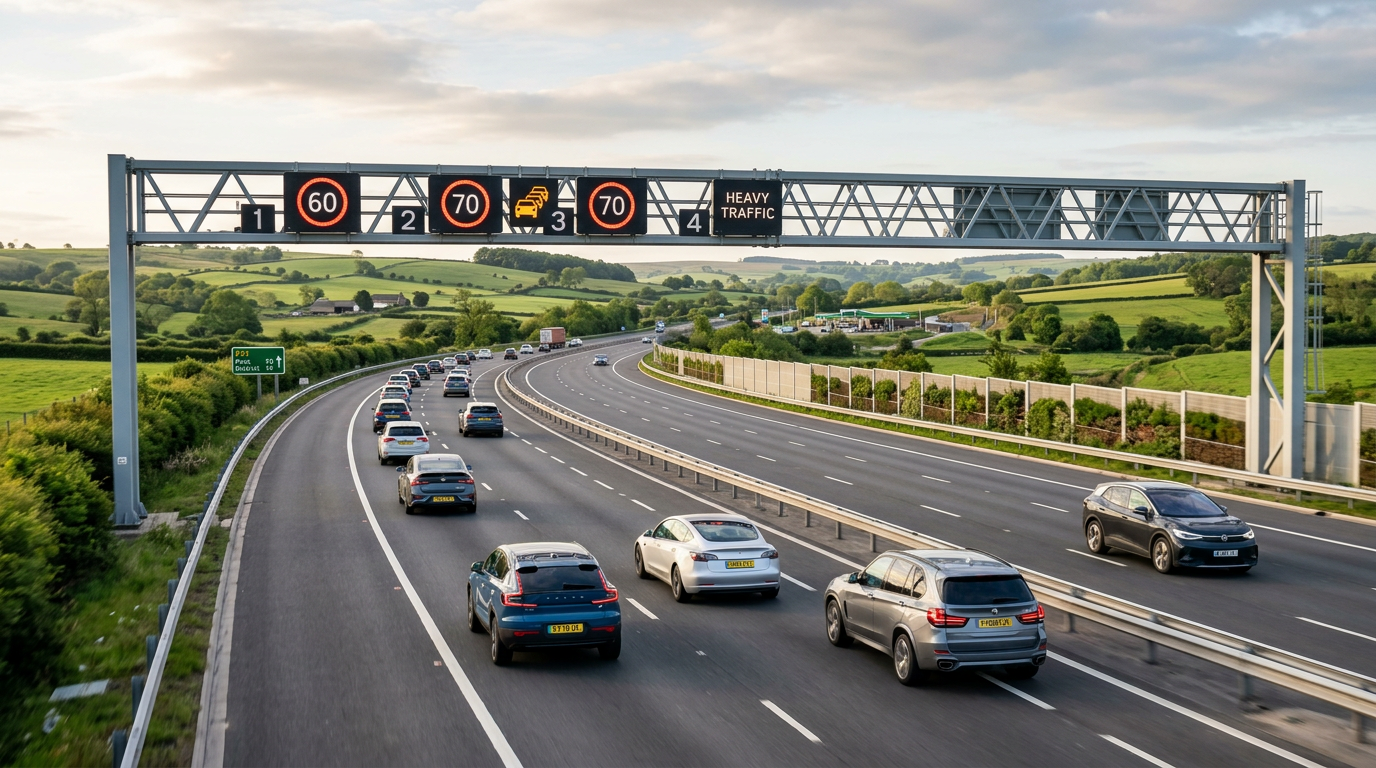
The UK’s relationship with the road is undergoing its most significant shift since the introduction of the motor car. As of April 2026, the landscape of vehicle taxation has fundamentally changed. With the 2030 ban on new petrol and diesel car sales fast approaching, the government has reached a fiscal crossroads. The "Fuel Duty Gap"—the multi-billion pound hole left in the Treasury's budget by the rapid transition to Electric Vehicles (EVs)—has finally forced the hand of policymakers.
Welcome to the era of UK road pricing. This year marks the launch of the first large-scale Pay-Per-Mile (PPM) pilot schemes, aimed at replacing the antiquated system of Vehicle Excise Duty (VED) and Fuel Duty with a more dynamic, digital-first alternative.
Why 2026 is the Turning Point for Road Tax
For decades, the UK government relied on two primary streams of automotive revenue: Fuel Duty (paid at the pump) and VED (the annual "car tax"). However, with EVs now dominating both the new car market and a substantial portion of the used market on platforms like CarsLink.ai, those revenues have plummeted.
By early 2026, it was estimated that the Treasury faced a £35 billion annual deficit if taxation wasn't reformed. The solution? Taxing the distance driven rather than the fuel consumed.
The EV Road Tax 2026 Reality
It is important to note that from April 2025, EVs lost their "zero-rated" VED status, moving into the standard £190+ annual bracket (subject to the expensive car supplement for vehicles over £40,000). But the 2026 trials go further, testing technology that could eventually see every driver, regardless of powertrain, pay a bespoke rate based on their mileage and location.
Comparing the Old vs. New Systems
The transition isn't just about money; it’s about infrastructure. Below is a comparison of how the proposed 2026 road pricing trials differ from the traditional taxation we’ve known for years.
| Feature | Traditional System (Pre-2025) | 2026 Pay-Per-Mile Trials |
|---|---|---|
| Primary Metric | CO2 Emissions & Fuel Type | Total Distance Driven (Miles) |
| Collection Method | Annual VED / Fuel Duty at Pump | Monthly Billing / Smart Telematics |
| Urban Surcharges | Static (e.g., ULEZ, CCZ) | Dynamic (PPM increases in peak zones) |
| EV Treatment | Largely Exempt or Low Rate | Taxed per mile (often at a lower rate than ICE) |
| Data Source | DVLA Database | GPS, Smart Odometer, or ANPR |
How the 2026 Pay-Per-Mile Trials Work
The trials currently being rolled out across select regions in the UK—including parts of Greater London, the West Midlands, and Greater Manchester—utilize three potential tracking methods. Participants in these trials are often offered incentives, such as discounted insurance or reduced parking fees, to opt-in.
- Telematics / "Black Box" Technology: Similar to young driver insurance policies, a device plugged into the OBD-II port tracks mileage in real-time.
- ANPR (Automatic Number Plate Recognition): Utilizing the UK’s existing vast network of cameras to calculate distance travelled between checkpoints.
- Self-Reporting Smart Odometers: Digital mileage readings submitted via a government portal or synced directly from the vehicle’s onboard software.
The Impact on the Used Car Market
For dealers and traders, this shift is monumental. The "mileage" of a car has always been a key factor in its valuation, but in a pay-per-mile world, it becomes a liability. High-mileage vehicles may become less attractive to commuters who are now hypersensitive to their monthly driving bill.
On CarsLink.ai, we are already seeing a shift in search trends. Buyers are increasingly looking for "Efficient EVs" or vehicles that fall into lower-cost bands of the new pilot schemes. Traders should ensure that V5C documentation and history reports are more transparent than ever regarding a vehicle's previous tax status and mileage accuracy.
The Pros and Cons of Road Pricing
The Benefits
- Fairness for Low-Mileage Drivers: Pensioners or those living in rural areas who only drive a few thousand miles a year could see their total tax bill drop significantly compared to a flat annual VED.
- Congestion Management: By increasing the "per mile" cost during peak hours in congested cities like Birmingham or Bristol, the government can naturally smooth out traffic flow.
- Environmental Logic: It finally aligns taxation with usage. The more you use the infrastructure and generate wear and tear, the more you pay.
The Challenges
- Privacy Concerns: Many UK drivers are wary of "the state" tracking their every movement via GPS.
- Impact on Low-Income Commuters: Workers who have no choice but to drive long distances for work (and cannot afford to live near city centres) may be disproportionately affected.
- The "Double Taxation" Risk: During the transition period, there are fears that drivers of petrol/diesel cars could be hit by both high Fuel Duty and Pay-Per-Mile charges.
What it Means for Car Buyers Today
If you are currently browsing for a vehicle, the 2026 trials should influence your decision-making process.
- Check the "Expensive Car" Supplement: If buying an EV over £40,000, remember you are now paying the premium VED rate for the first five years, regardless of mileage.
- Evaluate Your Commute: If you drive over 15,000 miles a year, a Pay-Per-Mile system could eventually increase your costs. Look for vehicles with high efficiency to potentially benefit from future "green" discounts in the road pricing structure.
- Future-Proof with Tech: Cars with integrated telematics and smart connectivity will likely be easier to integrate into the new tax systems, potentially making them easier to sell or trade in the future.
Conclusion: A New Social Contract for the Road?
The 2026 Pay-Per-Mile trials represent more than just a tax change; they are a total reconfiguration of how we value road use. While the "Fuel Duty Gap" was the catalyst, the result is a system that could eventually make our roads less congested and our air cleaner.
For the UK used car market, this transition period requires vigilance. Whether you are a trader looking to stock the right inventory or a buyer trying to minimize running costs, staying informed is vital. As the trials progress through 2026, we expect to see a clearer picture of the permanent national rollout.
Ready to find your next fuel-efficient or electric vehicle? Use CarsLink.ai to search the UK's most comprehensive listings and discover cars that are ready for the road taxation of tomorrow.