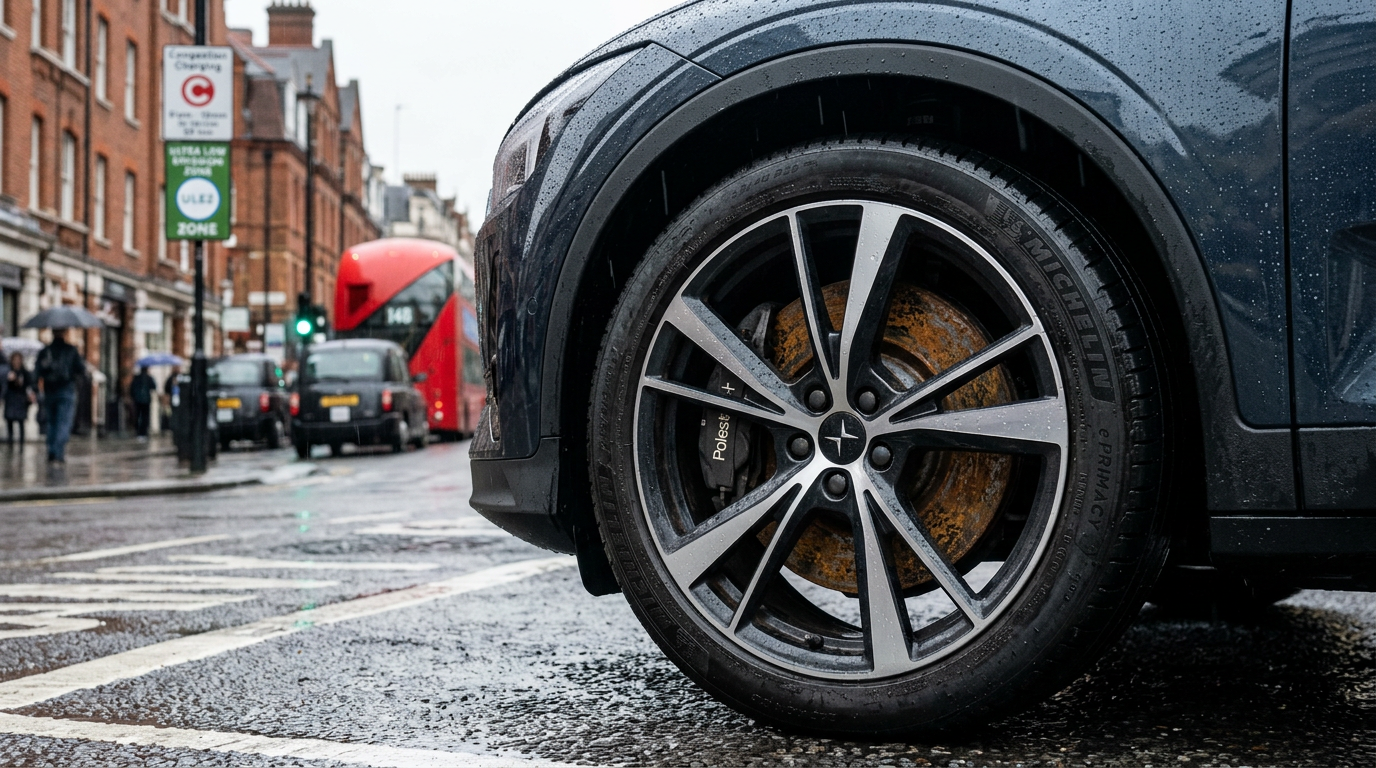
As we reach the midpoint of 2026, the UK’s transition to electric vehicles (EVs) has reached a critical mass. On roads from London to Glasgow, the silent hum of battery power is now the norm. However, a counter-intuitive safety issue has surfaced in workshops across the country: EV brakes are failing not because they are being used too much, but because they aren't being used enough.
For decades, UK motorists were taught that high mileage equalled worn-out brake pads. In 2026, the script has flipped. If you are an EV owner, "low use" might actually be the biggest threat to your vehicle’s health and your next MOT certificate.
The Regenerative Braking Paradox
The primary culprit is regenerative braking. Most modern EVs, from the best-selling Tesla Model Y to the latest Volkswagen ID. range, use the electric motor to slow the car down, recouping energy back into the battery.
In day-to-day driving, this means the traditional hydraulic disc brakes (friction brakes) are rarely engaged. While this is great for efficiency and extends the physical life of the brake pad material, it creates a hostile environment for the braking hardware.
Why "Use it or Lose it" Matters
When mechanical brakes aren't used, several things happen:
- Oxidation and Rust: In the damp UK climate, iron brake discs develop a layer of surface rust overnight. In a petrol car, the first time you hit the brakes, the pads "scrub" this rust off. In an EV using "one-pedal driving," that rust stays on the disc.
- Seized Calipers: Brake calipers contain pistons that move back and forth. Without regular movement, road salt and grime (prevalent on UK winter roads) can cause these components to seize in place.
- Pitting: Over time, rust eats into the metal disc, creating "pits." This reduces the surface area available for braking, which is a major safety concern.
The 2026 EV MOT Crisis
The DVLA and DVSA have noted a sharp increase in EV MOT failures related to "brake performance" and "component condition." Surprisingly, these failures are most common in low-mileage EVs or those driven exclusively in urban ultra-low emission zones (ULEZ) where speeds are low and regen-braking is at its most aggressive.
| Issue | Traditional ICE Vehicle | 2026 Electric Vehicle |
|---|---|---|
| Primary Wear Cause | High mileage / Heavy friction | Corrosion / Lack of use |
| Typical Pad Life | 30,000 - 50,000 miles | 100,000+ miles (theoretically) |
| Main Failure Point | Worn friction material | Seized calipers & pitted discs |
| MOT Warning | "Pads wearing thin" | "Disc surface significantly corroded" |
A "shiny" brake disc is a healthy one. If you look through your alloys and see a dull, orange, or flaky surface, your car is likely heading for an MOT failure, regardless of how many miles are on the clock.
The Financial Risk: Road Tax and Repair Costs
Maintaining your EV’s braking system isn't just about safety; it’s about protecting your wallet. As of April 2025, EVs are no longer exempt from Vehicle Excise Duty (Road Tax). Combined with the rising costs of specialized EV parts, a full brake overhaul including new discs and calipers can easily exceed £800-£1,200.
Furthermore, if you are nearing the end of a PCP (Personal Contract Purchase) or HP (Hire Purchase) agreement, "excessive wear and tear" (which includes corroded brakes) could lead to hefty end-of-contract charges when you return the vehicle. Dealers using platforms like CarsLink.ai to value trade-ins are increasingly vigilant about checking the condition of EV brake discs, as it directly impacts the resale value.
How to Protect Your EV Brakes in the UK
To avoid the "low use" trap, EV owners need to change their maintenance habits. Here is the 2026 guide to keeping your stoppers in top shape:
1. Perform a "Brake Cleanse"
Once a week—ideally on a quiet, safe stretch of road—shift your EV into 'Neutral' (if safe and your model allows) or turn down the regenerative braking setting to its lowest level. Apply the brakes firmly a few times. This forces the physical pads to clamp onto the discs, scrubbing away surface oxidation and keeping the calipers mobile.
2. Don’t Ignore the Fluid
The UK’s damp air is an enemy to brake fluid, which is hygroscopic (it absorbs water). Even if you never use your brakes, the fluid should be changed every two years. Water-contaminated fluid can boil under heavy emergency braking or cause internal corrosion in the ABS module.
3. Request an "EV Specific" Service
When booking your annual check-up, don't settle for a basic "visual inspection." Ask your mechanic for a Regenerative Braking Service. This involves stripping down the brakes, cleaning the carrier slides, and applying fresh lubricant to ensure nothing seizes over the winter.
4. Use Technology to Your Advantage
Some newer 2025 and 2026 models now feature a "Brake Cleaning Mode" hidden in the infotainment software. This automatically applies the friction brakes lightly during transit to keep the discs clean. Check your owner’s manual to see if your car has this feature.
Buying or Selling? Check the Discs
If you are looking for a used EV on CarsLink.ai, don't be fooled by a low odometer reading. A 2023 EV with only 10,000 miles might actually have worse brakes than a 40,000-mile motorway cruiser. High-mileage EVs often have cleaner brakes because they’ve been subjected to more متنوع types of braking scenarios.
When inspecting a vehicle:
- Look through the spokes: The disc should look like a clean mirror, not an orange peel.
- Listen: Do you hear a grinding or "scritching" sound for the first few minutes of driving? This is the sound of rust being scraped off—a sign of infrequent use.
- Check the V5C and Service History: Ensure the brake fluid changes have been documented every 24 months.
Conclusion
In 2026, the biggest threat to your electric car isn't the battery degrading—it's the mechanical components literally rotting from underuse. By understanding the EV brake maintenance paradox, you can ensure your car remains safe, passes its MOT, and holds its value.
Stay proactive. Use your brakes to keep them, and you'll enjoy the many benefits of electric motoring without the sting of a surprise repair bill.
Are you looking to upgrade to a newer EV with the latest safety tech? Or perhaps you want to see what your current electric car is worth in today's market? Visit CarsLink.ai to browse the UK's most trusted listings and get expert valuations today.