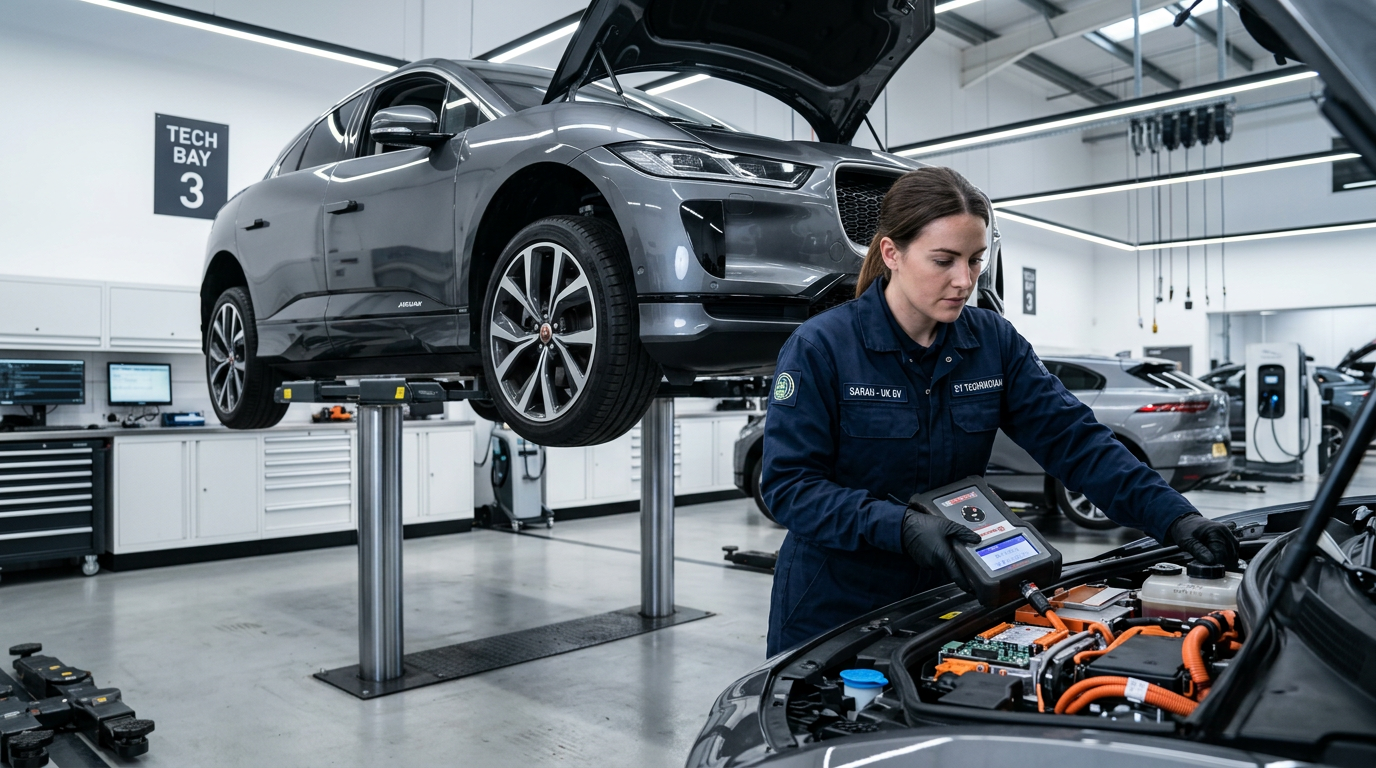
As we move deeper into 2026, the UK’s transition to electric mobility is no longer a future concept—it is our current reality. With millions of EVs now hitting their first or second major service interval, a surprising trend has emerged in workshops from London to Edinburgh. While EV owners enjoy lower fuel costs and fewer moving parts, one critical safety component is being overlooked: brake fluid.
In 2026, we are seeing a rise in MOT failures and service advisories related to brake fluid degradation in electric vehicles. This guide explains why your EV's braking system requires a different perspective than a traditional petrol or diesel car, and why waiting for the standard two-year interval might be a gamble.
The Regenerative Braking Paradox
The primary reason EV brake fluid requires closer attention is regenerative braking. In a standard combustion car, the mechanical friction brakes (discs and pads) do 100% of the work. This generates significant heat, which helps evaporate any moisture that has found its way into the braking system.
In an EV, the electric motor performs the bulk of the deceleration to recover energy. This means your physical brakes are used far less frequently. While this is great for pad longevity—often lasting 80,000 miles or more—it creates a hidden issue for the fluid.
Why Less Use Equals More Risk
Brake fluid is hygroscopic, meaning it actively absorbs moisture from the air. In a traditional car, the high heat from frequent braking helps mitigate some of the negative effects of this moisture. In an EV, the braking system stays relatively cool.
Moisture accumulation leads to two major problems:
- Vapour Lock: Water has a lower boiling point than brake fluid. If you are forced to make an emergency stop on a motorway, the heat generated could boil the water in the lines, creating gas bubbles and causing a "spongy" pedal or total brake failure.
- Internal Corrosion: Stagnant, moisture-heavy fluid can corrode the delicate valves inside the Anti-lock Braking System (ABS) and Electronic Stability Control (ESC) modules—repairs that can cost upwards of £2,000 in 2026.
2026 EV Brake Fluid Service Intervals
While many manufacturers like Tesla, Hyundai, and Kia still suggest a two-year or 24,000-mile flush, many UK specialists are now recommending an annual moisture test.
At CarsLink.ai, we’ve analysed data from across the UK service network showing that EVs driven in our damp, temperate climate often reach the 3% "danger zone" for moisture content faster than those in drier European climates.
| Feature | Internal Combustion (ICE) | Electric Vehicle (EV) |
|---|---|---|
| Brake Pad Life | 30,000 - 50,000 miles | 80,000 - 100,000+ miles |
| Fluid Heat Cycles | Frequent / High Heat | Infrequent / Low Heat |
| Recommended Testing | Every 2 years | Every 12 months (due to moisture) |
| Failure Risk | Wear and tear | Corrosion and Vapour Lock |
EV Brake Fluid Flush Price UK (2026 Data)
Maintenance costs have shifted slightly in 2026 due to the specialist equipment required to bleed high-voltage EV braking systems. Many modern EVs use electronic brake boosters (like the Bosch iBooster), which require specific diagnostic software to cycle the valves during a fluid change.
- Independent Specialist: £70 - £110
- Main Dealer (Tesla/Audi/VW): £120 - £180
- Mobile Mechanic: £85 - £125
When searching for an EV brake fluid flush price in the UK, ensure the quote includes a high-quality low-viscosity fluid (often DOT 5.1 or EV-specific fluids) designed to work with the rapid response times of modern stability control systems.
The "Sticky Caliper" Syndrome
Because the mechanical brakes on your EV aren't working hard, the calipers are prone to "seizing" or sticking. This is particularly common in the UK where road salt is used throughout the winter.
For 2026, we recommend an annual "strip and clean" of the brake assembly. A technician will remove the pads, clean the sliders, and apply high-temperature lubricant. This prevents the pads from sticking to the discs, which can lead to overheating and, ironically, premature fluid degradation.
MOT Implications and the V5C
As of 2026, the DVLA and DVSA have tightened MOT requirements regarding electronic safety systems. A "spongy" brake pedal caused by old fluid can result in an immediate MOT failure. Furthermore, if you are planning to sell your EV, a documented history of brake fluid changes is a major selling point. Professional buyers on CarsLink.ai look for these maintenance records as a sign of a well-maintained high-voltage system.
Signs Your EV Needs a Fluid Change Now
Don't wait for your dashboard light to appear. Watch for these symptoms:
- Increased Pedal Travel: If the brake pedal feels lower or softer than usual.
- Grinding Sounds: Even if you aren't using the brakes, a sticking caliper can cause a faint metallic scrape.
- Pulling to One Side: This indicates one caliper is sticking or has a hydraulic imbalance.
- Regen-to-Friction Handover: If the transition from motor braking to physical braking feels "jerky" or inconsistent.
Conclusion
Electric car brake maintenance in 2026 is less about replacing worn parts and more about preserving the integrity of the hydraulic system. Because EVs use their physical brakes so little, the fluid becomes the "weakest link" in your safety chain.
Testing your fluid for moisture content every 12 months is a low-cost way to avoid the sky-high prices of ABS module replacements and ensure your vehicle remains safe for the road.
Looking to upgrade to a newer EV with a full service history? Browse the latest listings and get expert valuations at CarsLink.ai, the UK's home for the next generation of car buying and selling.