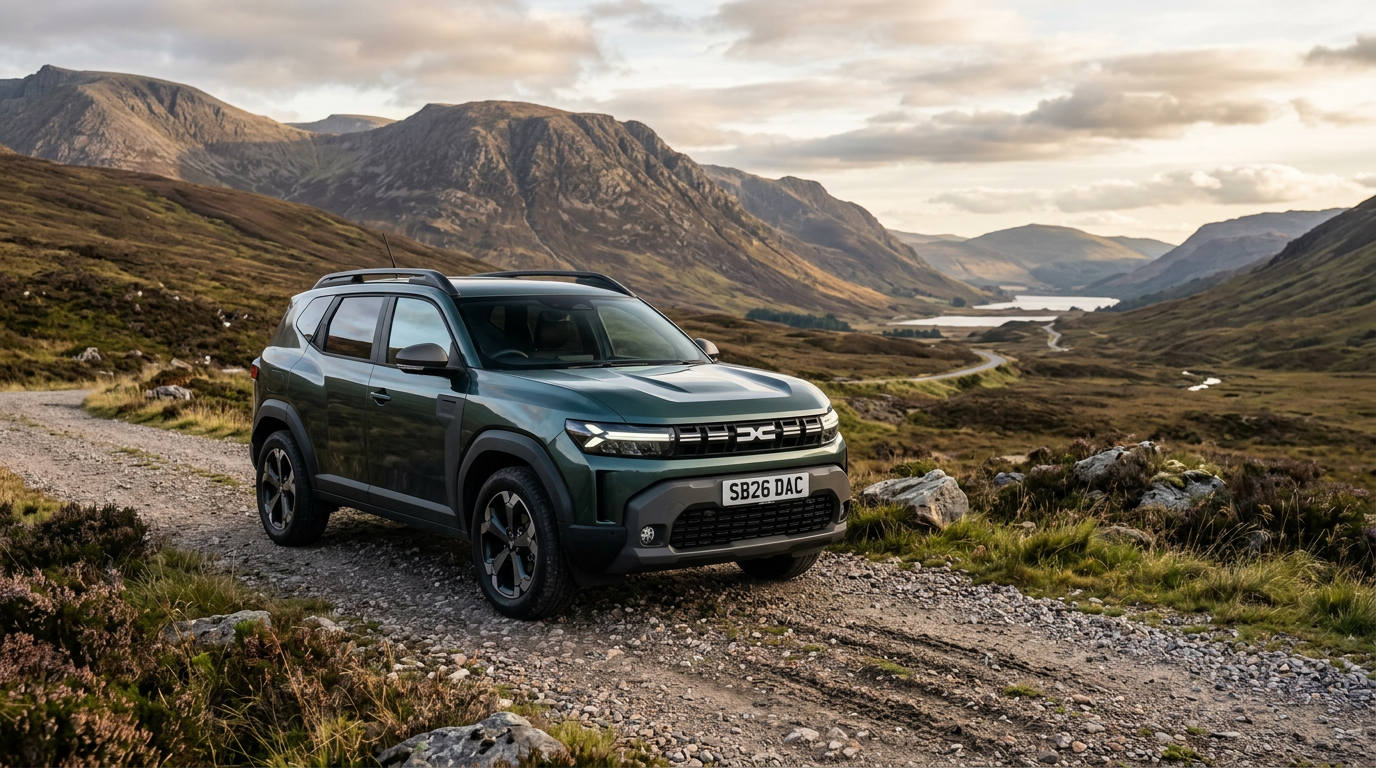
In the ever-evolving landscape of the UK automotive market, few brands have managed to maintain a laser focus on value like Dacia. As we move into the second quarter of 2026, the arrival of the Dacia Bigster marks a pivotal moment for the Romanian-born, Renault-backed manufacturer. While the Duster has long been the darling of the budget-conscious SUV buyer, the Bigster aims higher—literally and figuratively.
Positioned as a C-segment SUV but priced to compete with B-segment rivals, the Bigster is Dacia’s answer to the skyrocketing costs of family motoring. With many seven-seater competitors now pushing well beyond the £40,000 mark, the Bigster’s promise of "more for less" has never been more relevant for British families and fleet operators alike.
Design and Dimensions: More Than Just a Long Duster
While built on the same CMF-B platform as the Duster, the Bigster is significantly more than a stretched wheelbase. Measuring roughly 4.6 metres in length, it commands a presence on the road that rivals the likes of the Škoda Kodiaq or the Nissan X-Trail.
The 2026 model year brings Dacia’s "rugged-outdoor" design language to its apex. You'll notice the 'Starkle' plastic cladding—a sustainable material made from recycled plastics that features a unique flecked finish. It’s practical, too; it doesn’t require paint, meaning minor scuffs from supermarket car parks or light off-roading won’t show as unsightly scratches.
For UK buyers, the Bigster offers a choice of five or seven-seat configurations. The seven-seat variant is expected to be the volume seller, filling a massive void in the market for affordable family transport that can handle the school run and the annual pilgrimage to the Cornish coast with equal ease.
Powertrains: The Hybrid Revolution
By 2026, the UK’s transition toward electrification is in full swing, and Dacia hasn't been left behind. The Bigster’s powertrain line-up focuses on efficiency and ULEZ compliance, ensuring it remains affordable to run in city centres like London, Birmingham, and Glasgow.
| Engine Type | Power (hp) | Transmission | Est. Combined MPG | VED (Road Tax) Band |
|---|---|---|---|---|
| 1.2L TCe 130 Mild-Hybrid | 130 | 6-Speed Manual | 48.2 | Mid-Range |
| 1.6L Hybrid 145 | 145 | Multi-mode Auto | 56.5 | Lower-Range |
| 1.8L Hybrid 170 (AWD) | 170 | Multi-mode Auto | 52.0 | Lower-Range |
The standout for 2026 is the Hybrid 170, a new 1.8-litre full hybrid system that debuts in the Bigster. This powertrain is particularly attractive for those needing light towing capabilities or those living in more rural UK locations where the optional 4x4 system provides peace of mind during the winter months.
Interior and Tech: Functional over Frills
Dacia has mastered the art of "smart engineering," and the Bigster’s cabin is a testament to this. You won’t find expensive soft-touch plastics on the lower dash, but you will find a robust, well-assembled interior designed to withstand the rigours of family life.
The 10.1-inch central touchscreen is standard across most trims, featuring wireless Apple CarPlay and Android Auto. In a move praised by driving safety advocates, Dacia has retained physical buttons for the climate control—a relief for those who find touchscreens distracting while navigating British B-roads.
One of the Bigster’s unique selling points is the 'YouClip' system. These are clever mounting points situated throughout the cabin that allow owners to easily attach tablet holders, bag hooks, or even a portable LED light. It’s this kind of practical thinking that makes the Bigster a favourite for the pragmatic UK buyer.
Driving Experiences: Comfort over Sportiness
Don't expect the Bigster to out-handle a BMW X3. That isn't the point. In our testing on UK surfaces—ranging from potholed urban streets to motorway cruising—the Bigster prioritises ride comfort. The suspension is tuned to be relatively soft, soaking up the worst of Britain's road network with surprising composure.
The light steering makes it easy to maneuver in tight spots, such as multi-storey car parks. However, on the motorway, the wind noise is slightly more noticeable than in more premium rivals, likely due to the Bigster’s boxy shape and more modest sound deadening to keep weight and costs down.
Total Cost of Ownership: The Bigster's Ace Card
For many, the decision to buy a Bigster comes down to the spreadsheet. With a starting price expected to be under £30,000 for the entry-level 7-seater, it undercuts the competition by nearly £10,000 in some cases.
Insurance and Maintenance
- Insurance Groups: The Bigster sits in lower insurance groups (typically 18–24), making it significantly cheaper to insure than more powerful SUVs.
- Servicing: Dacia’s "Zen" warranty remains a highlight—by servicing your car at an official Dacia retailer, you can extend your warranty year-by-year for up to 7 years or 75,000 miles.
- Resale Value: Historically, Dacias hold their value exceptionally well in the UK because their low initial purchase price means there is less room for depreciation compared to a luxury SUV.
For traders and dealers, the Bigster represents a high-turnover vehicle. Its popularity in the used market is anticipated to be through the roof, as it offers the "biggest car for the smallest buck" value proposition that remains recession-proof. Whether you are browsing for a brand-new model or looking for a nearly-new deal, using tools like CarsLink.ai can help you compare the latest Bigster inventory across UK dealerships to find the best PCP or HP finance rates.
Is the Dacia Bigster Right for You?
The Bigster isn't just a "budget" choice; for many, it's the "smart" choice. It offers the space of a Volvo XC90 for the price of a Ford Puma.
Why Buy?
- The Price: Unbeatable value for a 7-seater SUV in the 2026 market.
- Practicality: Massive boot space (600L+ in 5-seat mode) and clever interior storage.
- Efficiency: The Hybrid 145 and 170 engines offer excellent fuel economy for a vehicle of this size.
Why Skip?
- Refinement: It’s noisier on the motorway than premium competitors.
- Material Quality: Hard plastics are prevalent; no "luxury" feel here.
- Performance: It’s adequate, but won't satisfy those looking for a spirited drive.
Conclusion
The 2026 Dacia Bigster is a masterclass in compromise. Dacia has identify exactly what families need—space, reliability, and low running costs—and stripped away the expensive superfluities that drive up the price of modern SUVs. As a brand-new entry into the competitive UK SUV segment, it doesn't just knock on the door; it kicks it down.
If you’re ready to see how the Bigster stacks up against other family favourites, or if you're looking for the best deals currently available at UK forecourts, start your search on CarsLink.ai today. Our AI-powered platform makes it easy to filter by seating capacity, fuel type, and insurance group to find your perfect family match.