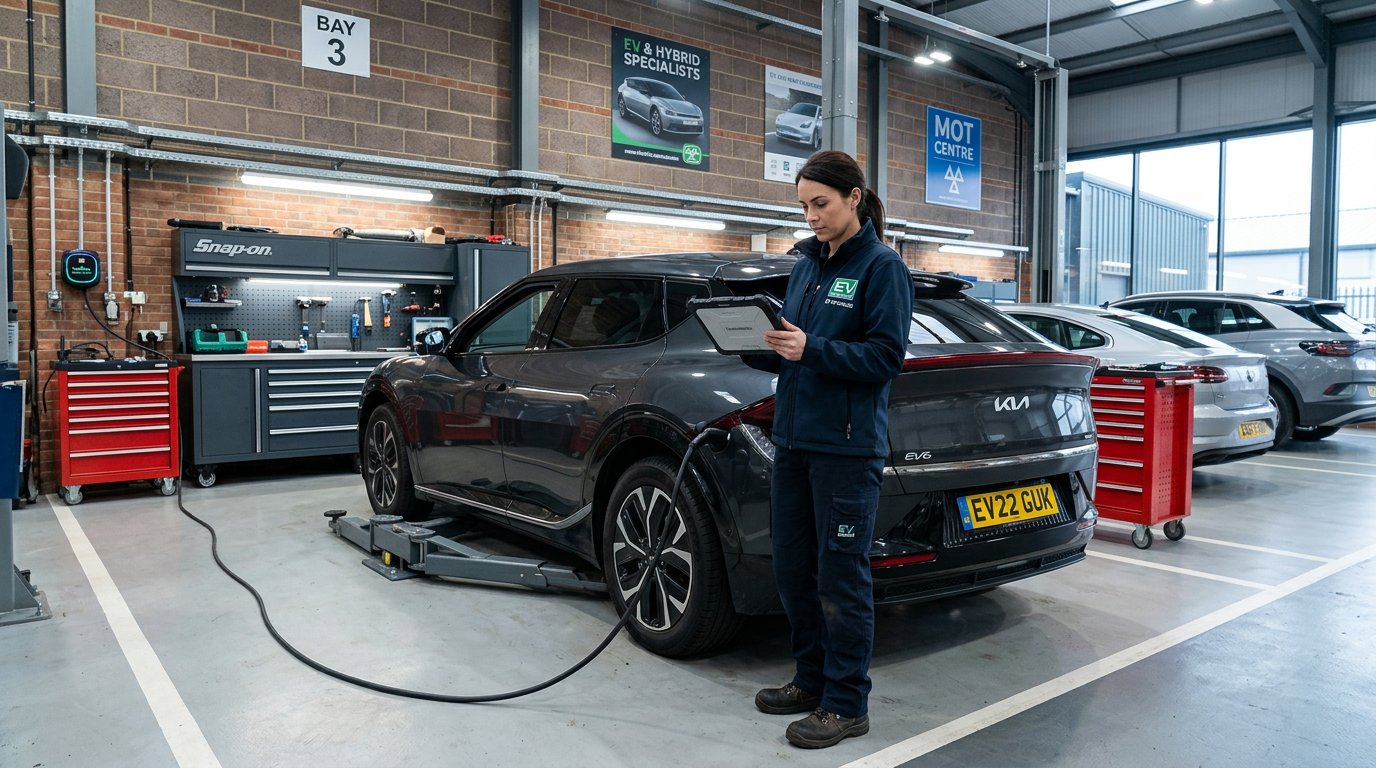
As we move further into 2026, the UK’s second-hand electric vehicle (EV) market has reached a significant milestone. Many of the best-selling models from the transformative 2021-2022 period—such as the Tesla Model 3, Hyundai IONIQ 5, and the Kia EV6—are now hitting the forecourts as four-year-old used cars. For savvy buyers, this represents a "sweet spot" where depreciation has leveled off, but the vehicles still feel modern and technologically relevant.
However, the primary concern for any used EV buyer remains the same: State of Health (SOH). Unlike a traditional internal combustion engine where you check oil levels and listen for "knocking," an EV’s vital signs are hidden within the chemical composition of its lithium-ion cells. In this guide, we will walk you through the essential steps to verifying the battery health of a 2022-model EV in today’s 2026 market.
Why 4 Years is the Critical Benchmark
By 2026, the UK car market has shifted significantly. With the ZEV mandate in full swing and ULEZ-style zones expanding to cities like Manchester and Birmingham, the demand for reliable used EVs is at an all-time high. A four-year-old car is usually at the end of its first PCP (Personal Contract Purchase) or business lease cycle.
Typically, these cars have covered between 30,000 and 50,000 miles. While the mechanical wear on an EV is minimal compared to a petrol car, the battery has likely undergone hundreds of charge cycles. Understanding how those cycles have been managed is the difference between a bargain and a liability.
The State of Health (SOH) Certificate: Non-Negotiable in 2026
In 2022, getting a detailed battery report was difficult. In 2026, it is a standard requirement. When browsing listings on CarsLink.ai, you should look for evidence of a recent SOH Certificate. This is a digital or printed document provided by a third-party diagnostic tool (like Altelium or Aviloo) or an official manufacturer health check.
| Battery Health (SOH) | Assessment | Impact on Value |
|---|---|---|
| 96% - 100% | Excellent | Premium Pricing |
| 90% - 95% | Good | Market Standard |
| 85% - 89% | Fair | Negotiable Discount |
| Below 85% | Concern | Significant Reduction / Investigation Required |
If a dealer or private seller cannot provide an SOH certificate, you should consider this a red flag or use it as a major bargaining chip for a price reduction.
Your 2026 Buying Checklist: 5 Steps to Battery Certainty
1. Verify the Remaining UK Battery Warranty
Most manufacturers in the UK (including Volkswagen, Nissan, and BMW) offered an 8-year or 100,000-mile battery warranty on cars sold in 2022. For a four-year-old car, you should still have four years of manufacturer protection remaining.
- Action: Check the V5C and service history to ensure the car hasn't been "clocked" or used as an unlicensed taxi, which might void the warranty.
- Tip: Ensure the warranty is transferable to the new owner—most are, but it's worth checking the fine print for brands like MG or GWM Ora.
2. Inspect the Charging Port and Cables
Physical wear can indicate how the battery was treated. If the Type 2 or CCS port shows signs of scorching or excessive "wobble," it may have been used frequently at high-powered public rapid chargers. While rapid charging is convenient, 2026 data shows that cars exclusively rapid-charged can see 3-5% more degradation than those charged slowly overnight at home.
3. Review the "Efficiency History"
Most modern EVs allow you to view long-term trip data. Look for the "miles per kWh" (mi/kWh) figure. For a 2022 car:
- 3.5 – 4.5 mi/kWh: Suggests efficient, careful driving.
- Under 3.0 mi/kWh: Suggests heavy-footed driving or frequent high-speed motorway use, which places more thermal stress on the battery.
4. Perform a "Dashboard Range" Reality Check
Charge the car to 100% (or ask the dealer to do so). Compare the displayed range against the manufacturer’s original WLTP range from 2022.
- Note: Remember that UK weather affects this. A car in January will show a lower range than in June due to the chemistry of the cells and the use of the heat pump. In 2026, most quality used EVs will still show 90-94% of their original advertised range.
5. Check for Software Consistency
Ensure the Vehicle Control Unit (VCU) and Battery Management System (BMS) have received all Over-The-Air (OTA) updates. In the years following 2022, many brands released updates to improve thermal management and charging curves. A car that has missed these updates might be operating on less efficient, older logic.
Understanding UK Insurance and Finance for Used EVs
In 2026, insurance groups for EVs have stabilised, but they remain slightly higher than equivalent petrol cars due to repair costs. When using CarsLink.ai to find your next car, you can filter for models with lower insurance groups.
For financing, many UK lenders now offer "Green PCP" deals on used EVs, often with lower interest rates (APRs) than internal combustion equivalents, as banks look to hit their own ESG (Environmental, Social, and Governance) targets.
Summary: Is the 4-Year-Old EV a Safe Bet?
In short: Yes.
The "battery anxiety" of the mid-2010s has largely been debunked by 2026 data. A 2022-registered EV with a verified SOH of 94% is a fantastic investment. It avoids the steepest part of the depreciation curve while offering modern safety features and ULEZ compliance for years to come.
Ready to find your next electric vehicle? Use the AI-powered search at CarsLink.ai to compare SOH-verified listings and find the best deals on 2022 models across the UK. Whether you’re a private buyer or a trader looking for stock, our platform provides the transparency you need in the 2026 market.